
Last updated September 19, 2026
Full 25-point door and opener safety check with every visit - springs, cables, rollers, tracks, and your LiftMaster or Chamberlain opener included
You get a price before we start. It does not change when the truck arrives.
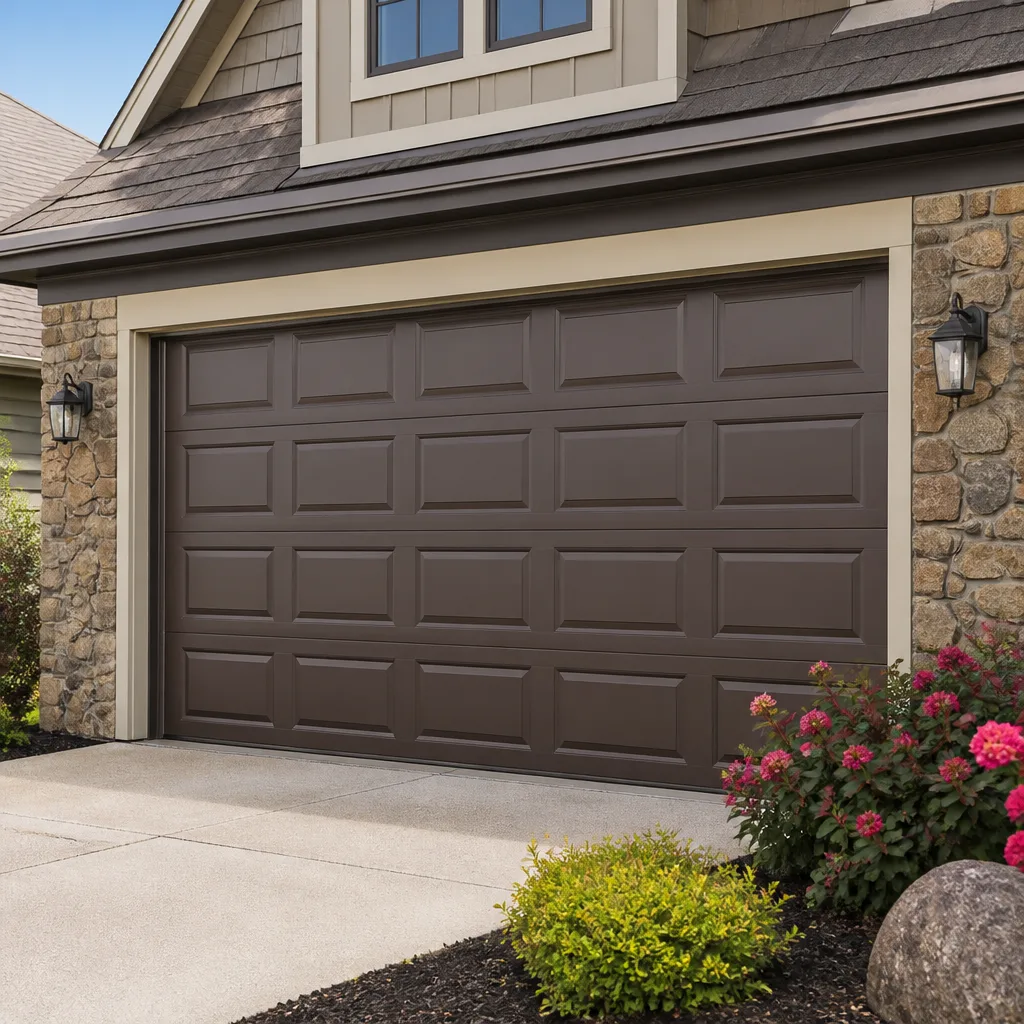
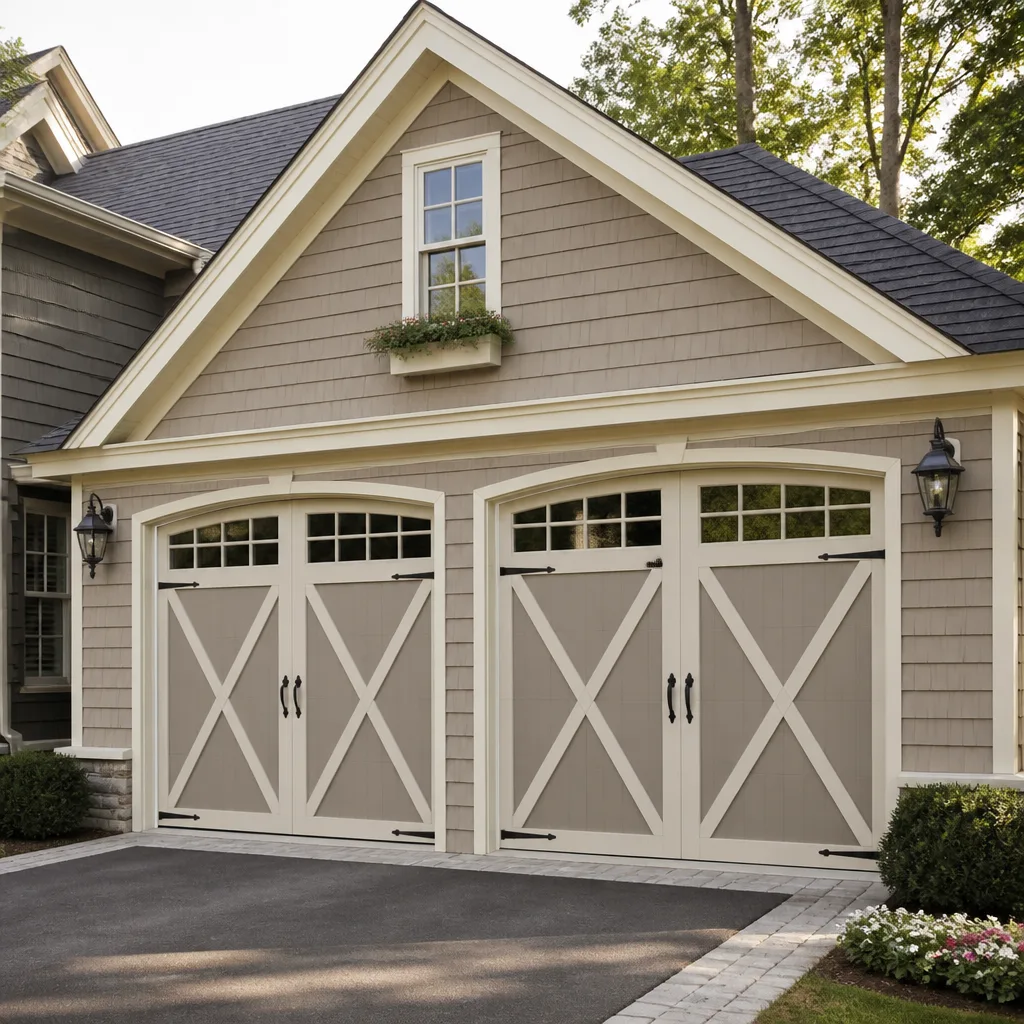
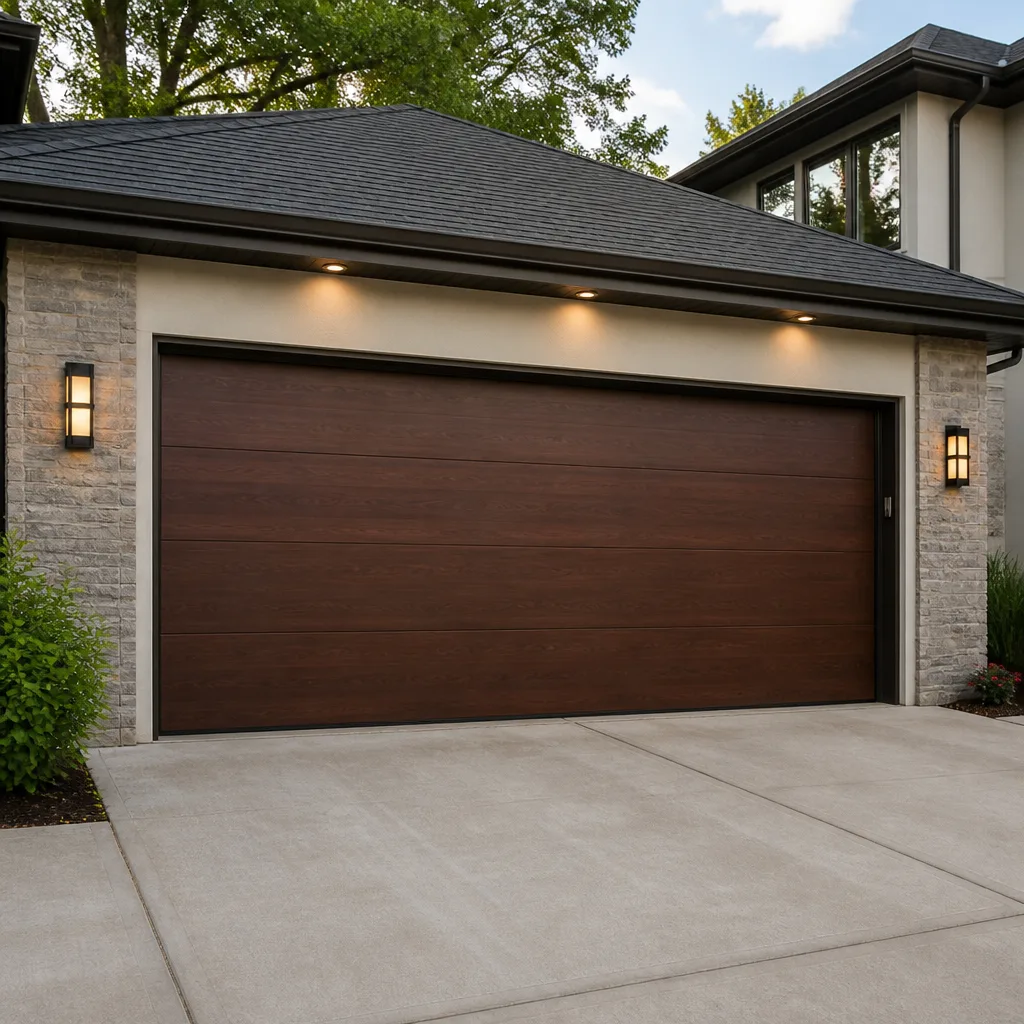
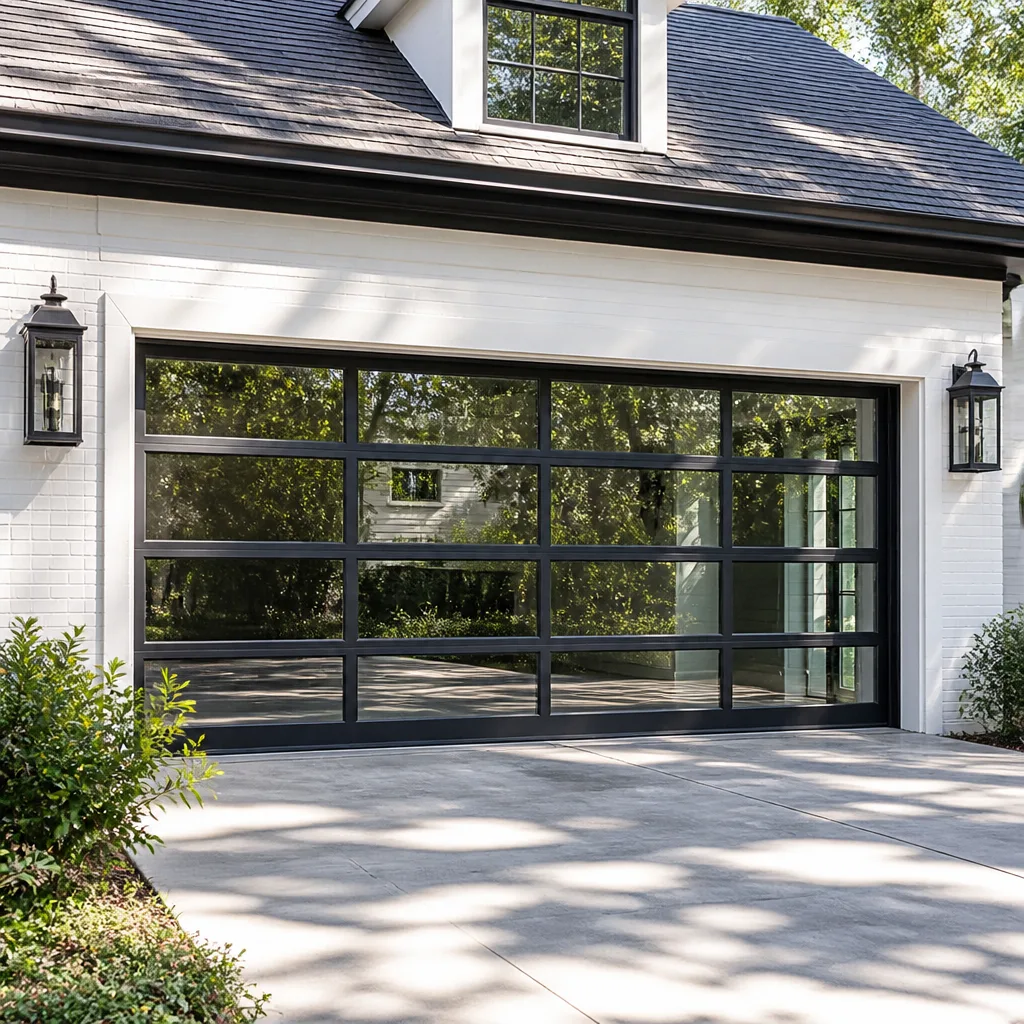
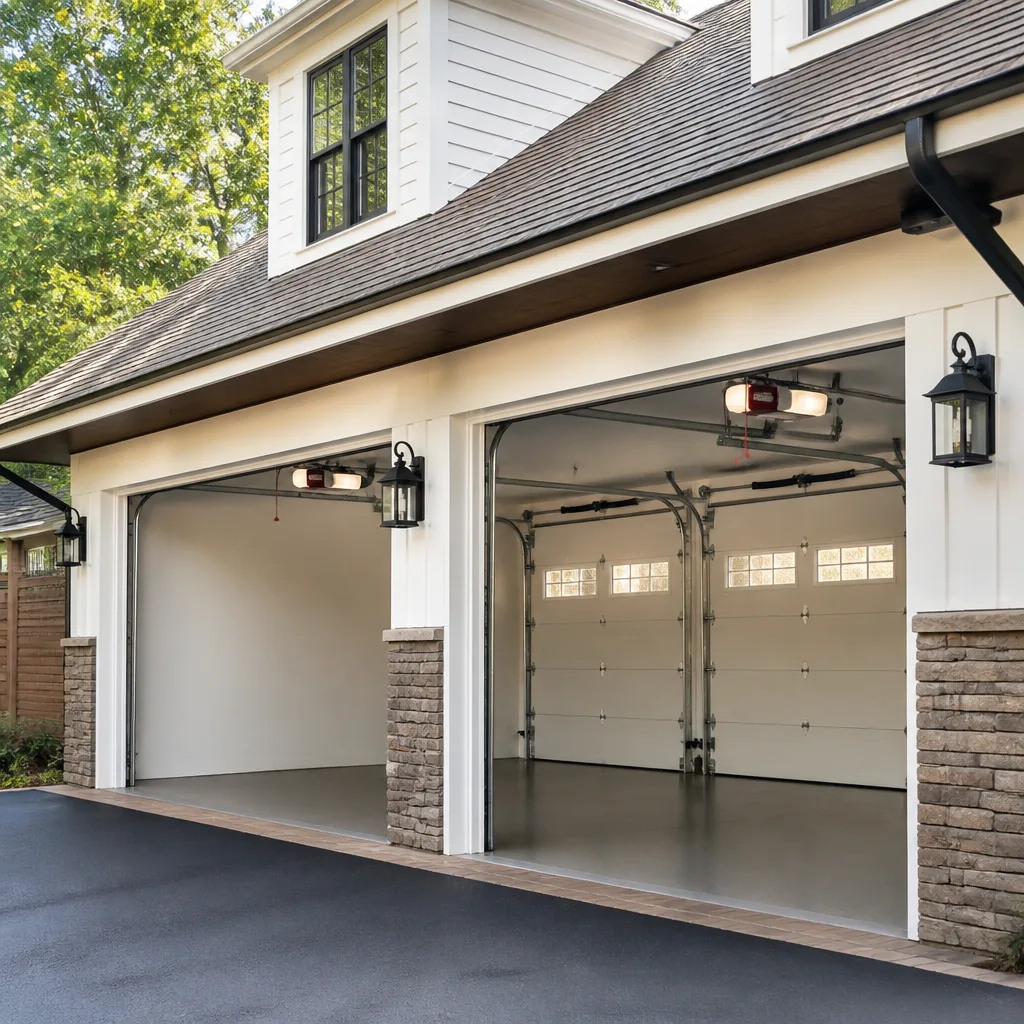
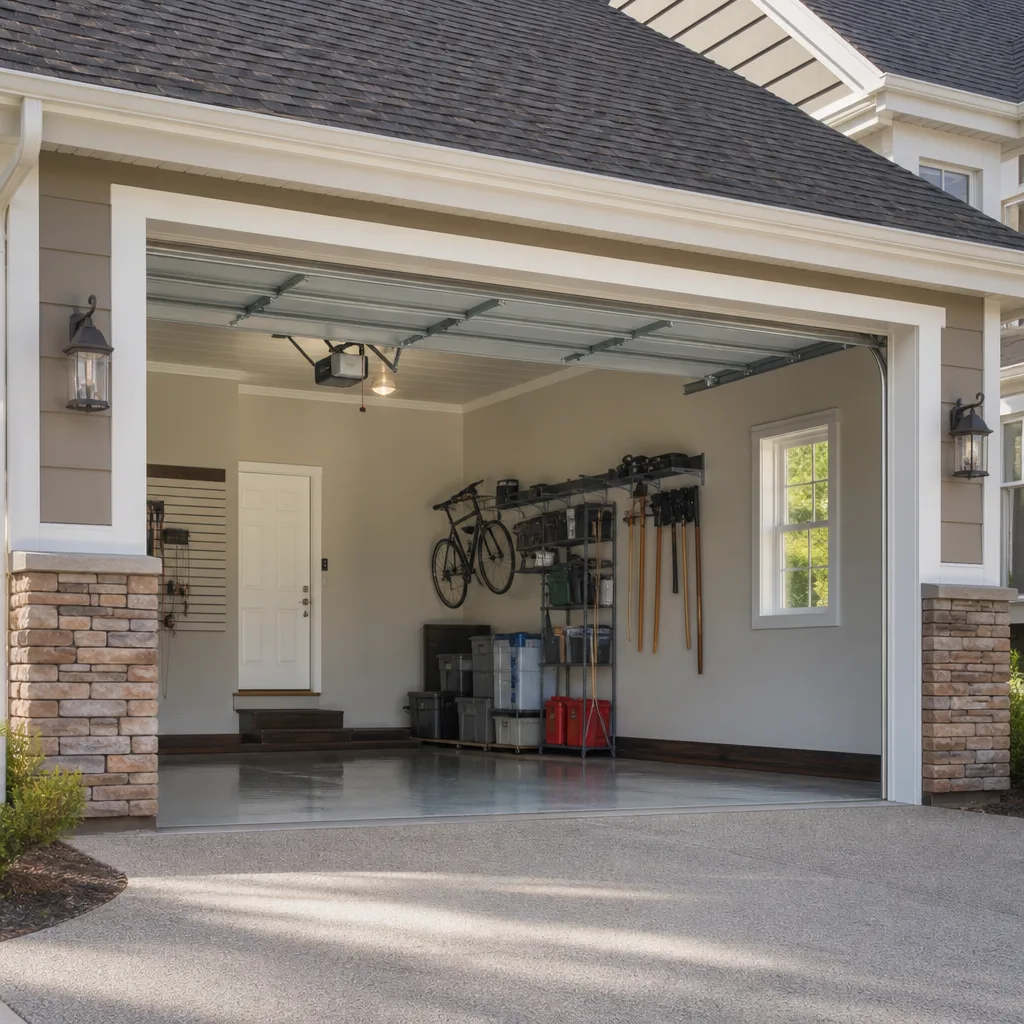
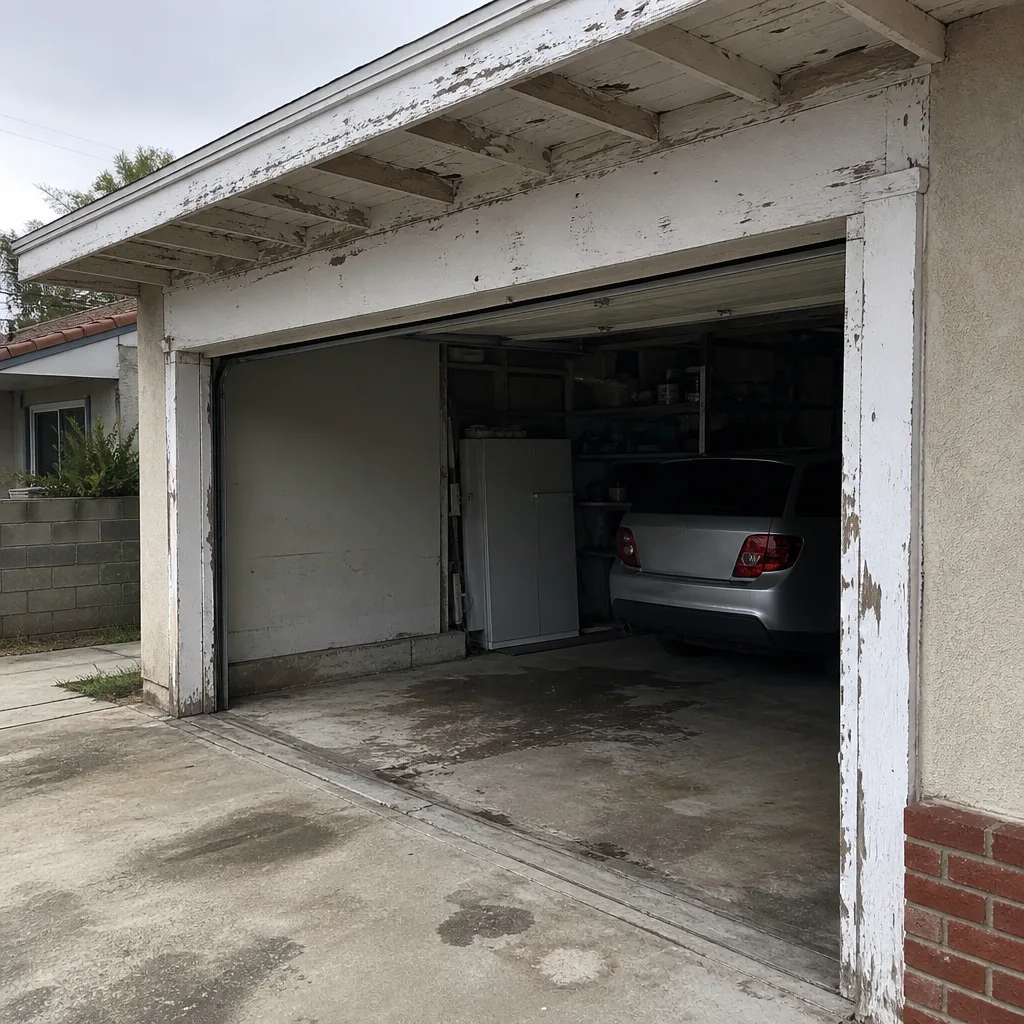 Before
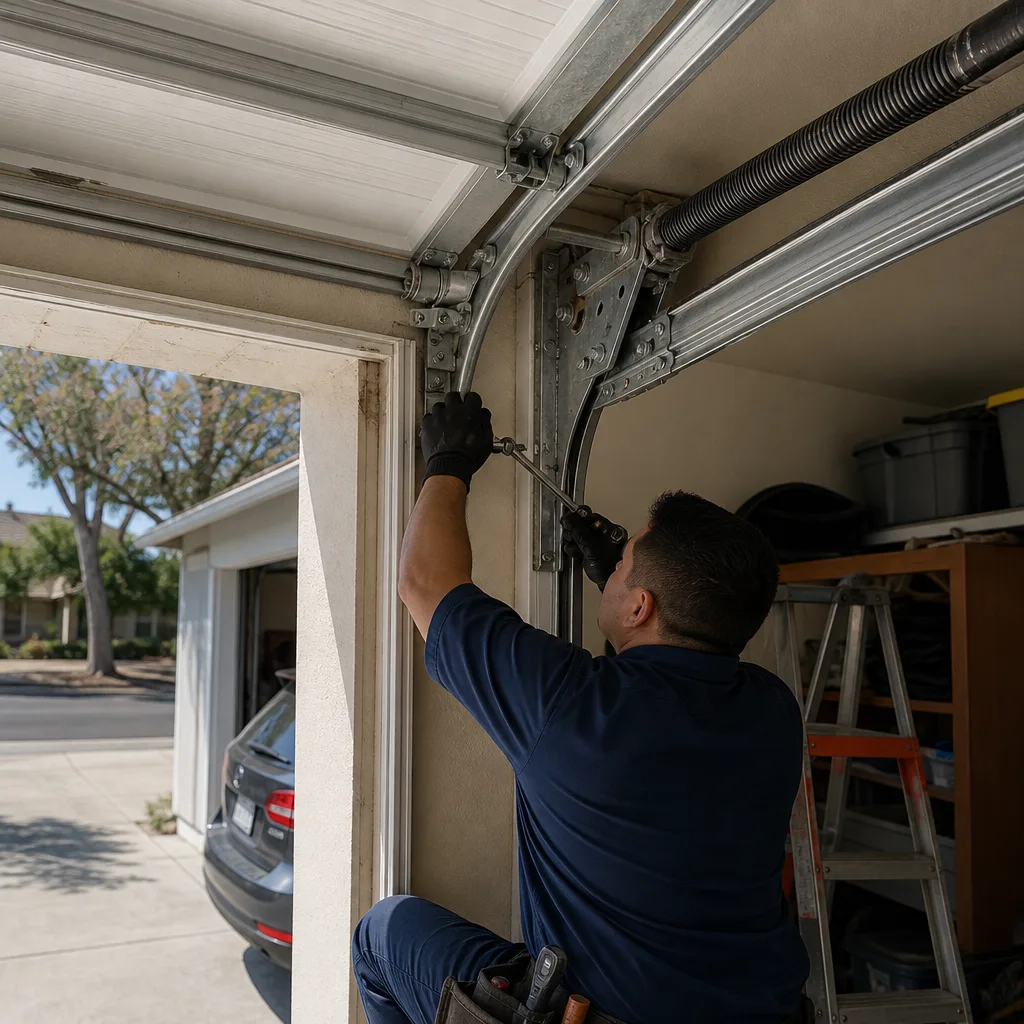 After
After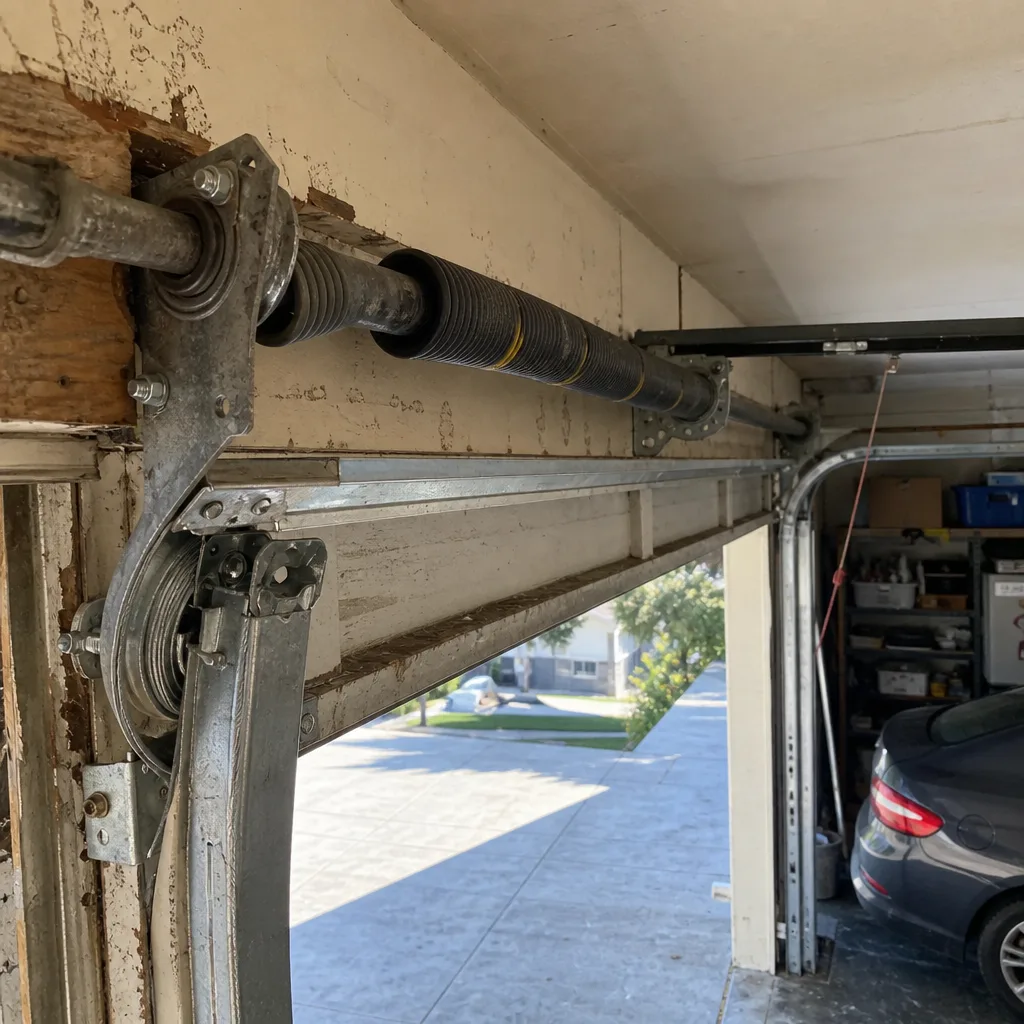 Before
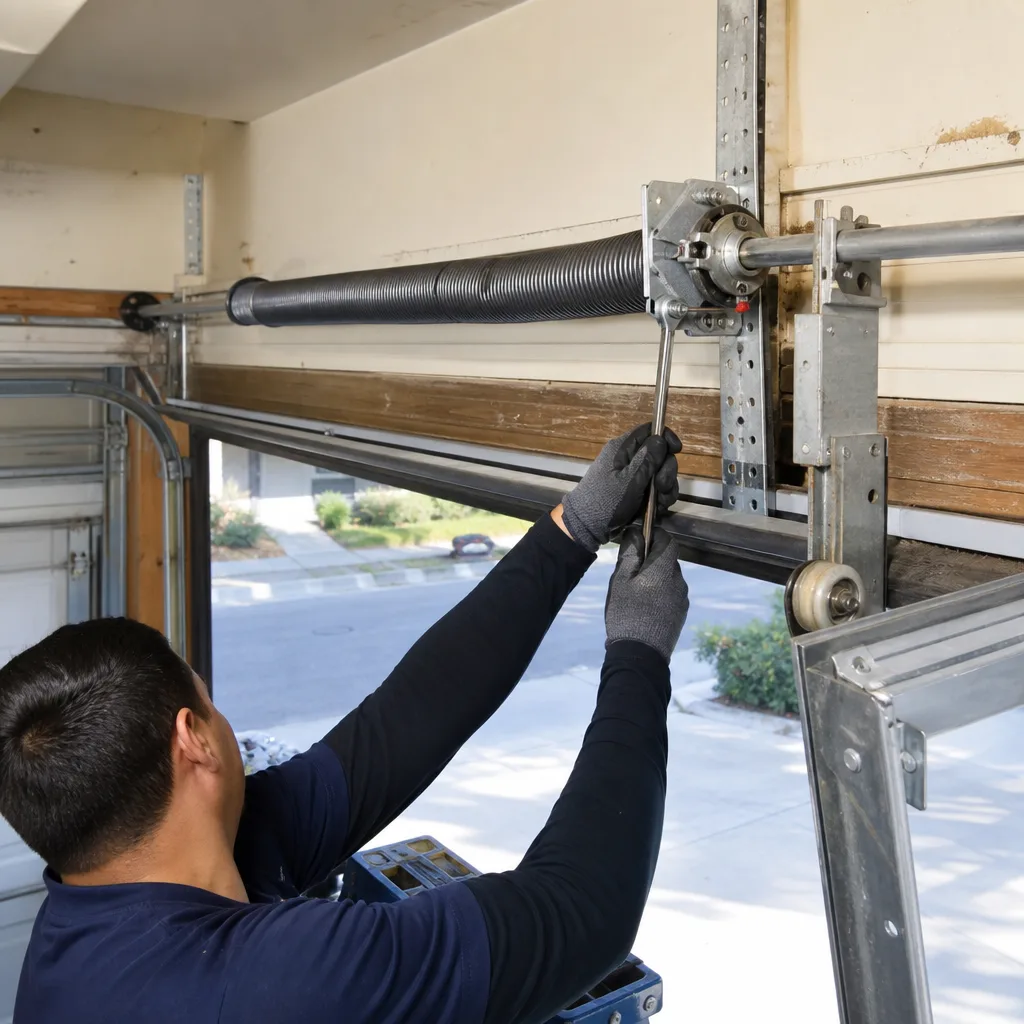 After
After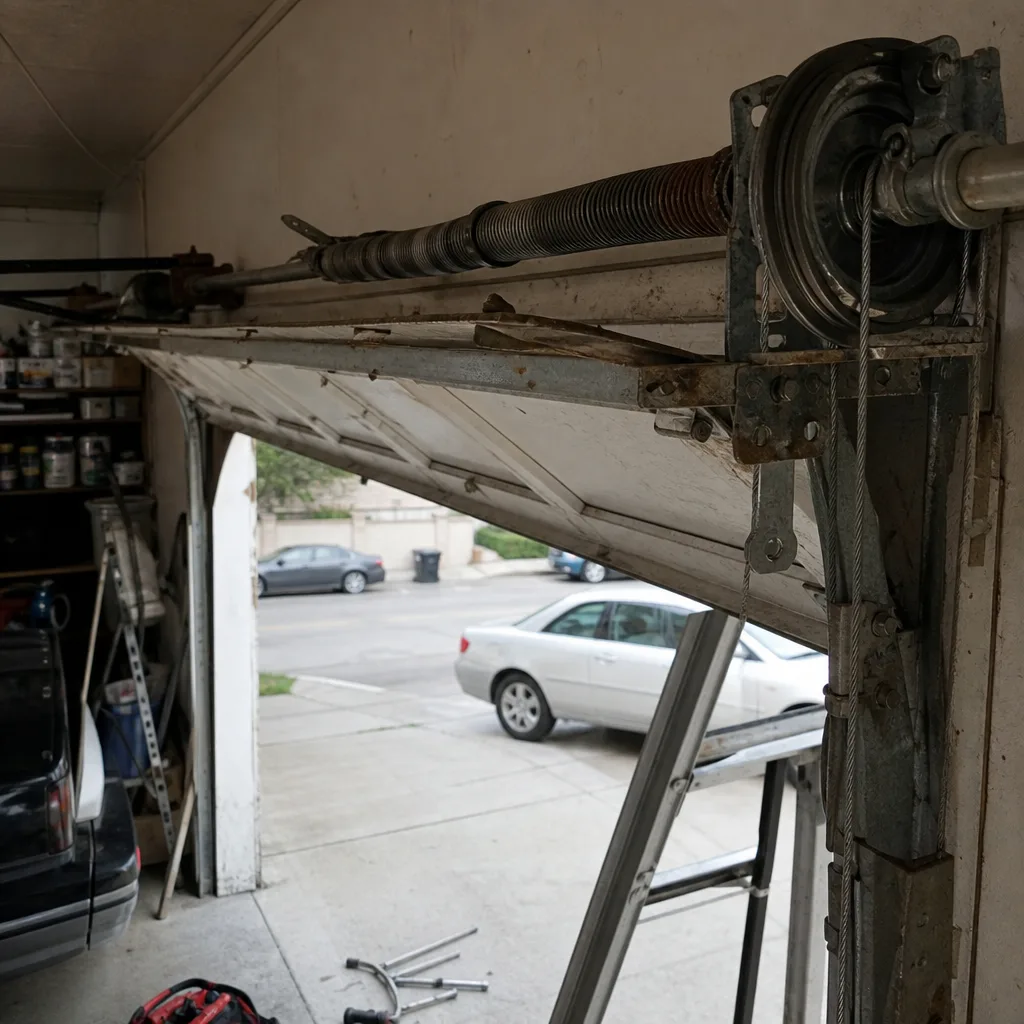 Before
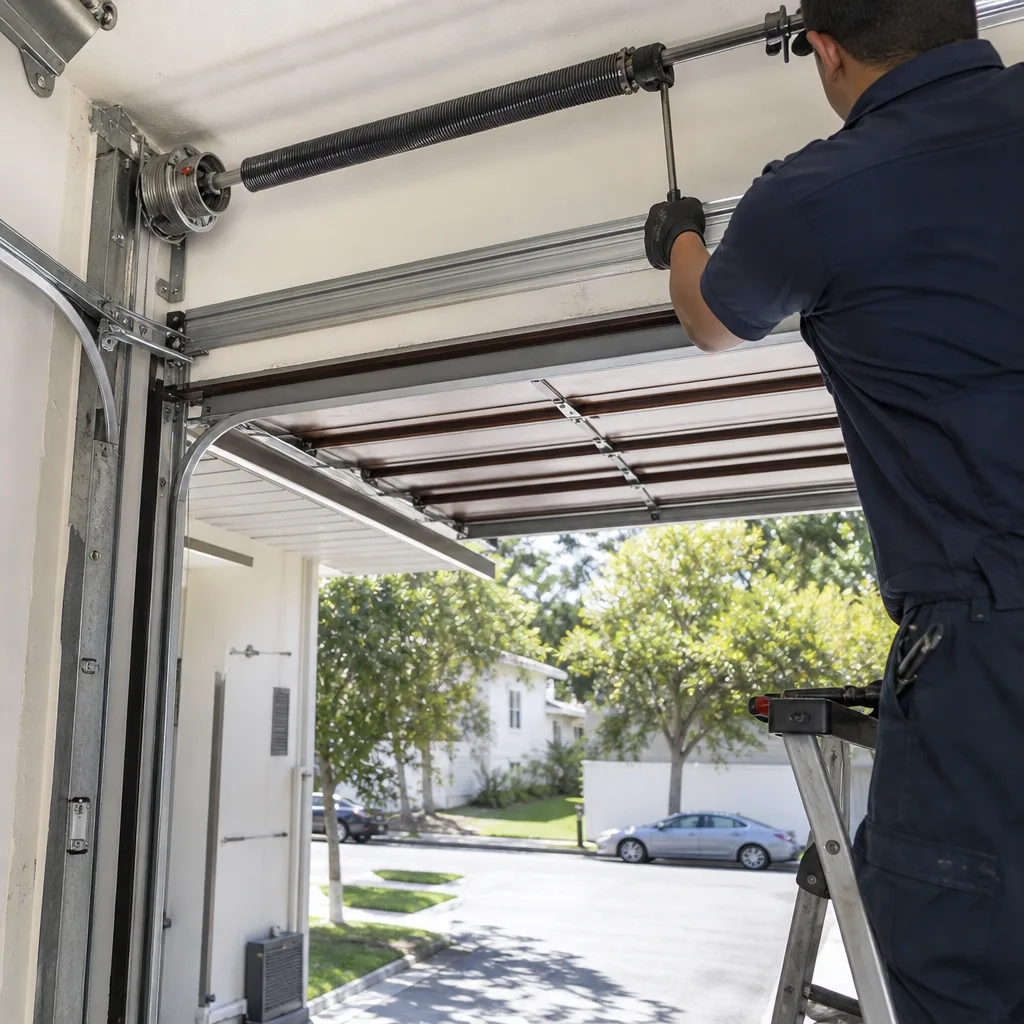 After
AfterThe Complete Guide to Garage Door in Los Angeles
Most garage door guides are written for Ohio winters and Minnesota frost. Los Angeles has neither, but it has something the national guides never mention: ultraviolet radiation that degrades an untreated steel door in under four years, salt air that pits aluminum tracks in Marina del Rey, and Santa Ana winds that turn a poorly rated door into a sail. This guide covers what actually matters when you own a garage door in Los Angeles: which panel materials survive coastal air versus valley heat, what Title 24 requires of an attached garage, how to read a wind load spec, and what everything should cost before you sign anything.
Quick Answer
A garage door in Los Angeles needs to be selected for your specific microclimate, not a generic recommendation. Coastal neighborhoods demand corrosion-resistant materials like fiberglass or marine-grade aluminum, inland valleys require UV-stable panels and proper insulation, and hillside homes need torsion spring systems and wind-rated doors. Repairs in Los Angeles typically cost $180 to $450, new doors run $1,400 to $6,500 installed, and every job should come with a written price before work starts.
Table of Contents
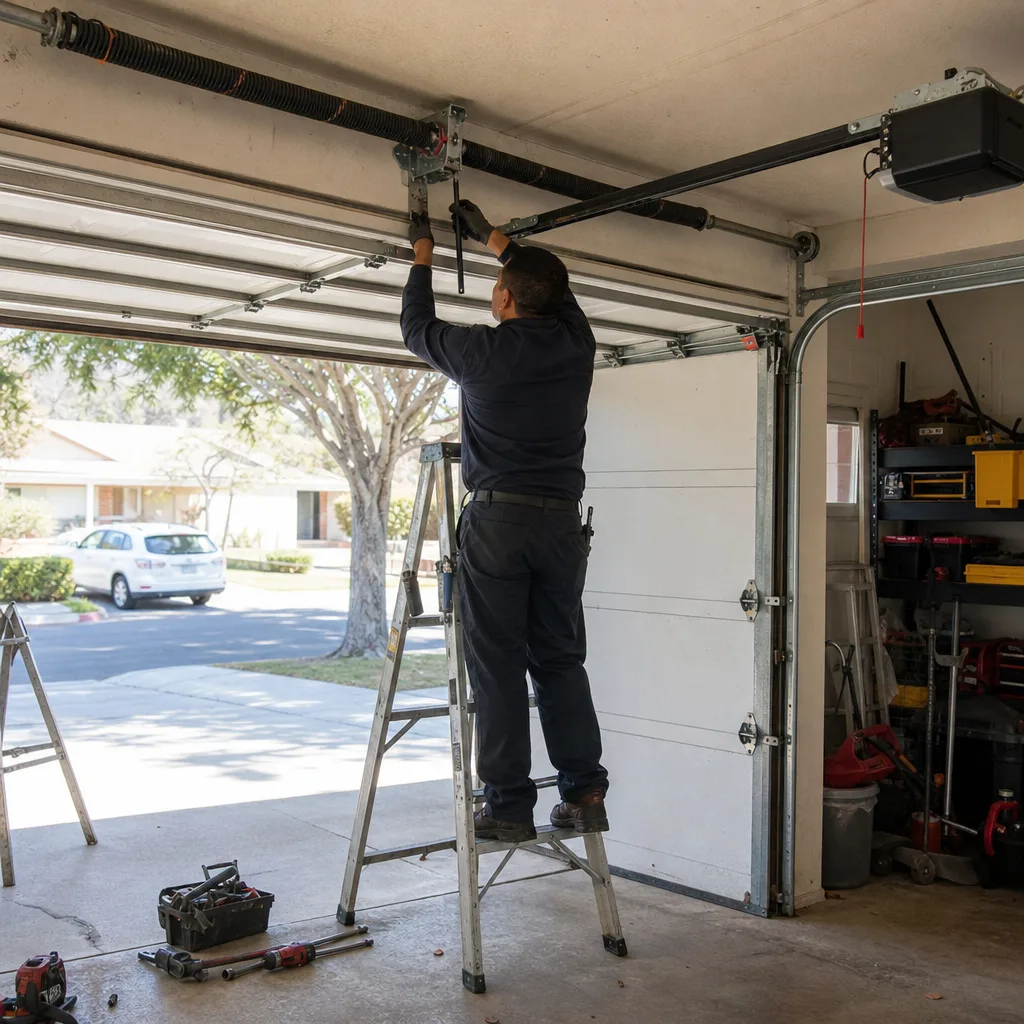
- Los Angeles Microclimates and Panel Material Selection
- Title 24 Energy Code Requirements for LA Garage Doors
- Santa Ana Wind Load Ratings and ANSI/DASMA 108
- Torsion vs. Extension Springs on Los Angeles Driveways
- Reading R-Value Labels: What R-16 Actually Means in Burbank vs. El Segundo
- What Garage Doors Cost in Los Angeles
- Brand Landscape: What LA Homeowners Actually Buy
- The Paper Trail: What You Should Receive With Any Door Job
BeforeAfterLos Angeles Microclimates and Panel Material Selection
Los Angeles spans roughly 50 miles from the Pacific to the San Gabriel foothills, and the difference between a garage door in Playa del Rey and one in Woodland Hills is not cosmetic. The first question we ask any homeowner in Los Angeles is not “what style do you want?” It’s “how close are you to the ocean?”
Within three miles of the coast, airborne chlorides accelerate corrosion on uncoated steel at roughly double the inland rate. We’ve opened panels in Marina del Rey where the bottom rail had rusted through in five years, while an identical door in Sherman Oaks showed only minor surface wear after eight. For beach-side homes, fiberglass panels and marine-grade aluminum frames outlast standard steel by a wide margin. If you do choose steel near the coast, it needs a factory-applied rust inhibitor and galvanized hardware. Powder-coated steel helps, but the coating is only as good as the edge coverage, and edges are where salt air attacks first.
Inland valleys present the opposite problem: heat. Northridge, Encino, and Woodland Hills regularly see summer temperatures above 100°F. Untreated steel absorbs that heat and transfers it into the garage, which is often a home gym, workshop, or semi-finished room in Los Angeles. Polyurethane-insulated steel panels hold up well here, but the paint system matters more than the steel gauge. Look for factory-applied UV-stable finishes. A standard builder-grade door without UV inhibitors will chalk and fade visibly within three to four years in the San Fernando Valley.
Hillside neighborhoods like Mount Washington, Baldwin Hills, and much of the Hollywood Hills add a mechanical variable: the driveway approach is rarely level. A door that works fine on a flat Silver Lake lot may bind and wear prematurely on a 12-degree incline because the panel stack shifts slightly as the door travels. This is less about the panel material and more about the track and spring system, which the next sections cover.
Title 24 Energy Code Requirements for LA Garage Doors
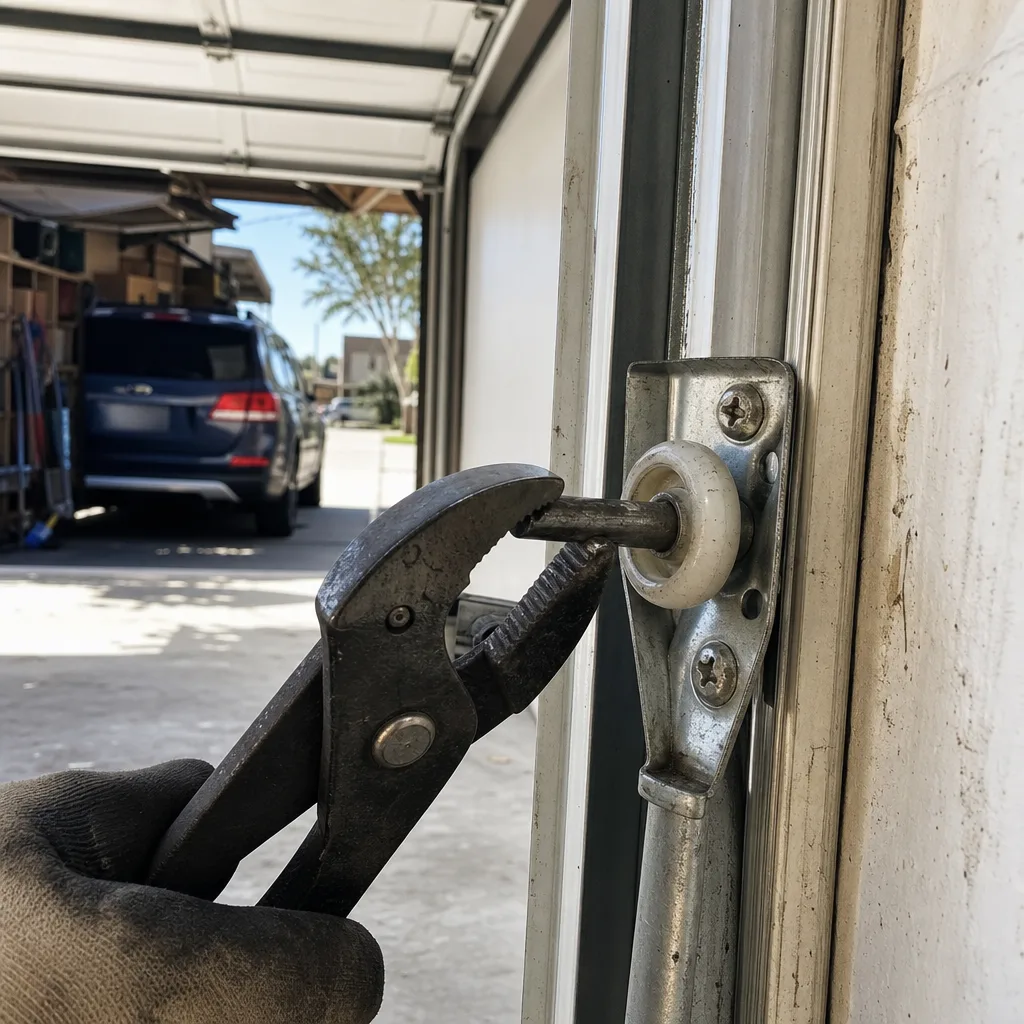
California’s Title 24 energy code applies to garage doors when the garage is attached to conditioned living space. The 2022 code cycle, which Los Angeles enforces, sets maximum U-factor requirements for doors between the garage and the house, and it treats the garage wall insulation as part of the building envelope. The practical takeaway: if your attached garage shares a wall or ceiling with living space, that wall and ceiling need insulation, and the garage door itself contributes to the thermal separation.
Here’s what this means in plain terms. Title 24 does not mandate a specific R-value for every garage door in Los Angeles, but it does set a baseline for conditioned spaces. A detached garage, including most ADU-detached garages built under Los Angeles accessory dwelling unit rules, has more flexibility: it’s not conditioned space, so the door’s insulation matters less from a code perspective. Many Los Angeles homeowners build detached ADUs above their garages, creating a hybrid situation where the garage is unconditioned but the dwelling above it is not. In that configuration, the ceiling assembly between garage and ADU carries the insulation burden, not the door.
For attached garage doors that face the afternoon sun, a polyurethane-insulated door with an R-value of 12 to 16 is the practical choice in Los Angeles. It keeps the garage from becoming a heat sink in August, reduces the load on whatever room sits adjacent, and satisfies inspectors who are increasingly scrutinizing unconditioned spaces during Title 24 compliance checks. We routinely recommend insulated doors for any Los Angeles garage that is attached, regardless of whether the code strictly demands it, because the comfort and energy difference is measurable.
Santa Ana Wind Load Ratings and ANSI/DASMA 108
Santa Ana winds are not a coastal hurricane threat, but they are a structural reality for thousands of homes in the foothill corridors: Pasadena, Altadena, La Cañada Flintridge, and parts of the San Fernando Valley routinely see gusts above 50 mph, with occasional bursts exceeding 70 mph through canyon mouths. A garage door is typically the largest unbraced opening in a home. When wind hits it, the force transfers through the panels into the track, hinges, and springs. A door without an adequate wind load rating will visibly bow inward during a strong Santa Ana event and may rack, derail, or damage its hinges.
ANSI/DASMA 108 is the test standard for garage door wind resistance. Doors that pass are labeled with a design pressure rating, expressed in pounds per square foot, and a wind speed rating. When you see a spec sheet that says a door is rated for 90 mph wind loads, that’s not marketing language: it means the door assembly withstood simulated wind pressure and cyclic testing at that speed. For most Los Angeles hillside and canyon homes, a door rated for 80 to 90 mph is appropriate. For coastal homes, the rating requirement is closer to 70 mph, but corrosion resistance matters more than wind capacity.
The important detail most guides miss: a wind rating is only valid when the door is installed with the correct track gauge, mounting hardware, and jamb brackets. The same panel on undersized track loses much of its rated capacity. When we install a wind-rated door in a canyon-adjacent Los Angeles neighborhood, we specify heavier-gauge vertical track and additional jamb anchors than a standard flat-lot installation. The spec sheet should list those components, not just the panel rating.
Torsion vs. Extension Springs on Los Angeles Driveways
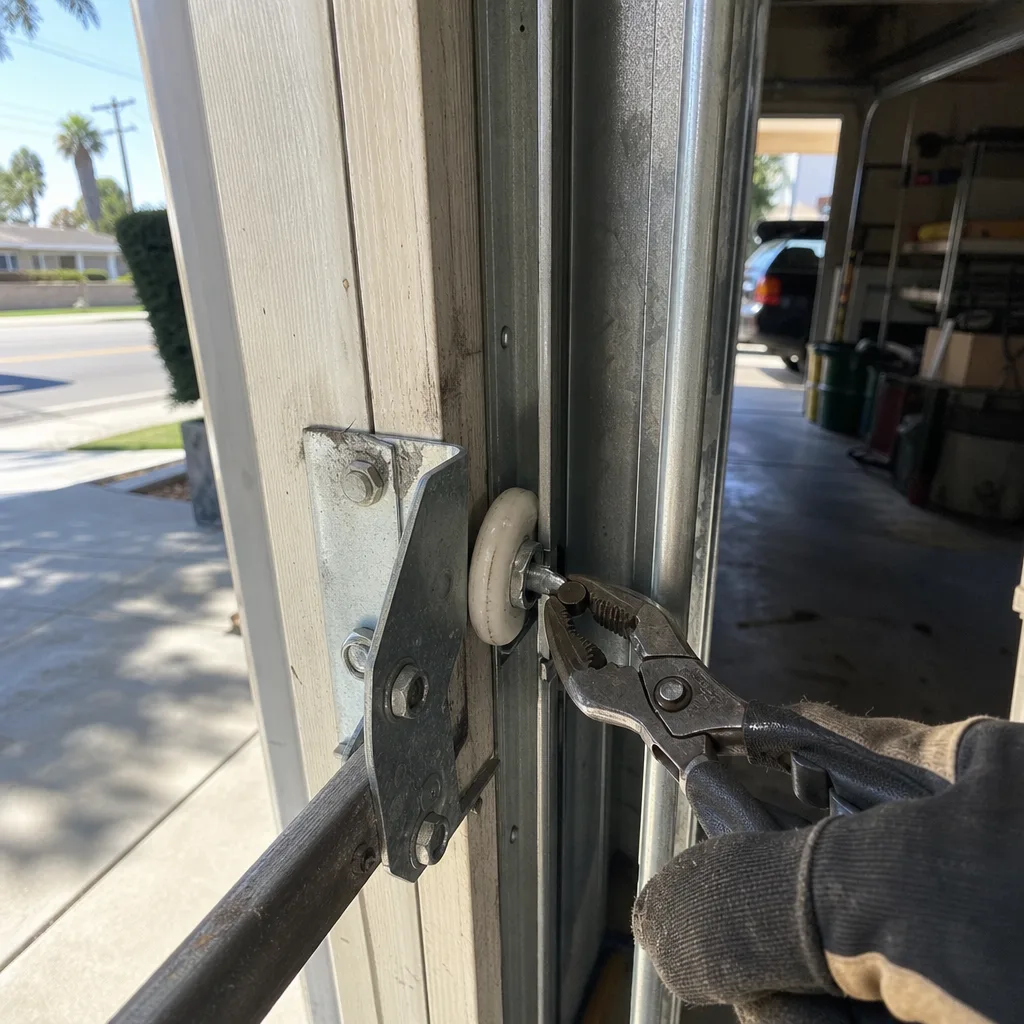
Most modern Los Angeles homes already have torsion springs, but a surprising number of pre-1990 homes in neighborhoods like West Adams, Leimert Park, and parts of the Valley still run on extension spring systems. The difference matters for safety, longevity, and how the door behaves on sloped approaches.
A torsion spring mounts above the door opening on a steel shaft. It stores mechanical energy by twisting, not stretching, and it balances the door through cables on each side. Because the spring’s force applies evenly across the door width, it handles sloped driveways and minor settling better. Extension springs, by contrast, stretch along horizontal track on each side of the door. They’re simpler and cheaper, but they age faster, they’re more likely to snap without warning, and they exert uneven force if one spring weakens before the other. On a sloped driveway in a hillside neighborhood, that uneven force is amplified because the door’s weight distribution shifts as it travels the radius of the track curve.
For any Los Angeles home on a noticeable grade, we recommend torsion springs for two reasons: they provide smoother travel and they fail more predictably. We also recommend safety cables on all extension spring systems as an interim measure. The cables run through the spring’s center and contain the spring if it breaks, and they cost very little to add.
Safety note: torsion springs are under constant tension and should not be adjusted by anyone without the correct winding bars and training. A single torsion spring at full wind can release enough energy to cause serious injury. When a spring breaks, leave the door in place and call a professional.
Reading R-Value Labels: What R-16 Actually Means in Burbank vs. El Segundo
R-value measures resistance to heat transfer, and garage door manufacturers advertise it like it’s a single number that means the same thing everywhere. It doesn’t. The same R-16 door performs differently in Burbank and El Segundo because those two microclimates stress the door in opposite ways, and R-value only addresses heat flow through the panel, not air leakage around it.
In Burbank, summer afternoons push the exterior panel surface past 140°F. R-16 polyurethane insulation slows that heat transfer meaningfully, keeping the interior panel surface closer to ambient garage temperature. The benefit is real, but it assumes the door seals well around the perimeter. A Burbank garage with worn weatherstripping leaks hot air regardless of the panel’s R-value, and the energy loss around the edges often exceeds the conductive loss through a well-insulated panel.
In El Segundo, the concern is less about heat gain and more about the wet, salty air that penetrates the panel edges and corrodes the door from the inside out. R-value says nothing about corrosion resistance. A polyurethane foam core can actually trap moisture against the steel skin if the edge seals degrade, which they do faster in coastal air. For beach-adjacent Los Angeles homes under four miles from the water, the material spec matters more than the insulation number. That’s why we sometimes recommend fiberglass panels with a lower R-value over high-R steel for coastal garages: the fiberglass doesn’t rust, and the modest thermal loss is a reasonable trade.
Here’s how to evaluate a garage door R-value label in Los Angeles:
- Ask whether the R-value is measured on the full door assembly or just the panel center. Center-of-panel numbers overstate the door’s real insulating performance.
- Check the core type. Polyurethane foam insulates better per inch than polystyrene, and it also stiffens the panel, which helps resist dents and wind flex.
- Consider whether your garage is attached or detached. An attached garage with living space above or beside it justifies a higher R-value; a detached garage used for parking may not.
- Look at the thermal break. A true thermal break between the exterior and interior steel skins prevents conductive heat loss through the panel itself.
What Garage Doors Cost in Los Angeles
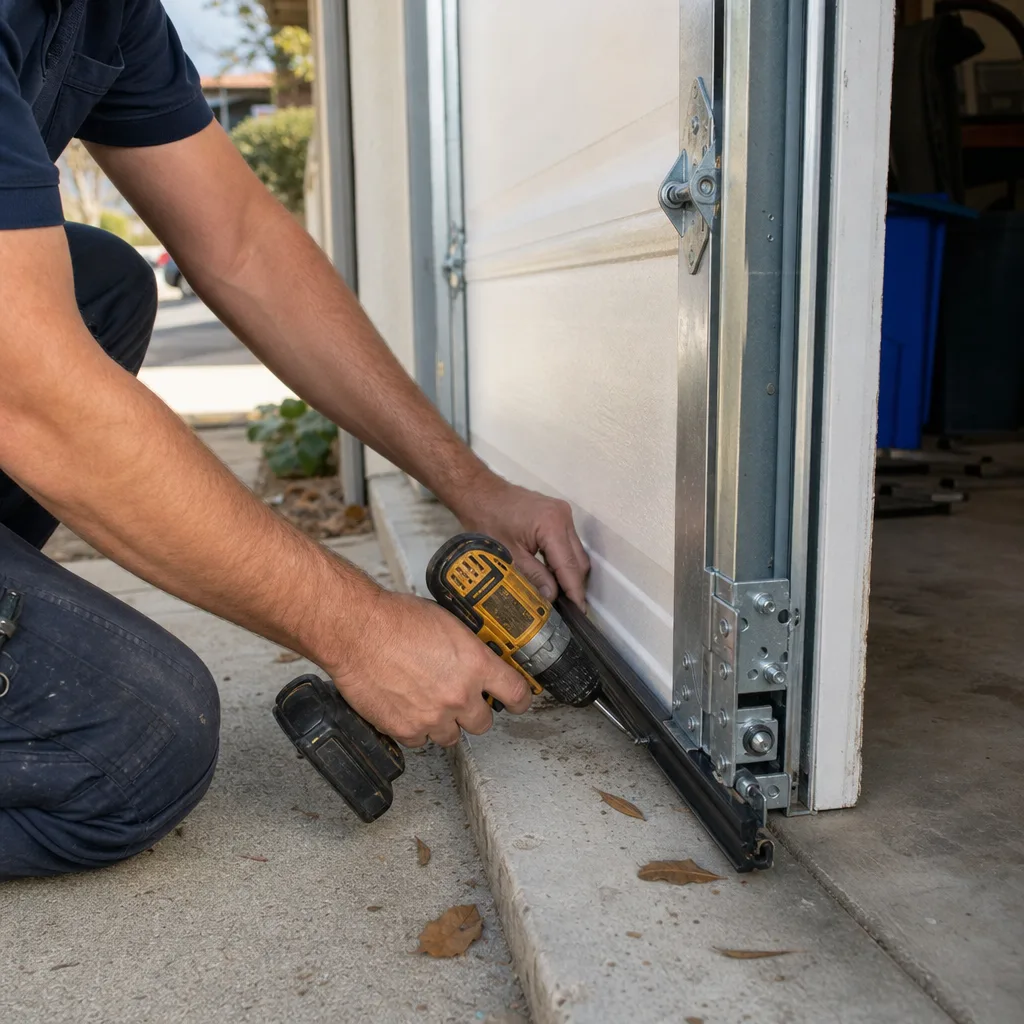
Los Angeles garage door pricing splits into two categories: repair work and full door replacement. Repairs are typically quoted as flat-rate job prices with the parts cost included, and most Los Angeles homeowners pay between $180 and $450 for common repairs like spring replacement, cable repair, or track realignment. Opener replacement runs $450 to $900 installed, depending on the unit and whether new wiring or photo eyes are needed.
Full door replacement in Los Angeles ranges from $1,400 to $6,500 installed, and the spread is driven by panel material, size, insulation level, and wind rating. Here’s a practical breakdown for the Los Angeles market:
- Builder-grade steel, single-wide, non-insulated: $1,400 to $2,200 installed
- Insulated steel, single-wide, R-12 to R-16: $2,200 to $3,800 installed
- Custom wood or wood-look composite, single-wide: $3,500 to $6,500 installed
- Double-wide versions of the above: add 40 to 70 percent
- Wind-rated doors for foothill and canyon homes: add $300 to $800 for ANSI/DASMA 108 compliance
- Opener replacement (LiftMaster or equivalent): $450 to $900 installed
Before any work begins on a garage door repair in Los Angeles, you should receive a written price and a written scope of work, not a verbal estimate. We quote every job this way, per Clause 1 of The Haven Standard, even when it slows things down. The alternative is a verbal range that changes once the door is apart, and that’s how Los Angeles homeowners end up paying $900 for a job that should have cost $350. The price is agreed before any work starts, and it doesn’t change unless you ask for additional work and approve a written change order.
Brand Landscape: What LA Homeowners Actually Buy
Los Angeles garages run on the same major brands as the rest of the country, but a few patterns stand out. LiftMaster openers are the clear market leader in Los Angeles, and most of the opener replacements we handle in neighborhoods from Silver Lake to Torrance involve replacing an older LiftMaster or a builder-installed Chamberlain with a newer belt-drive LiftMaster unit. The belt drive matters in Los Angeles specifically because so many garages are attached, with bedrooms or offices above them, and a chain-drive opener transmits noise through the ceiling assembly.
For panels, the brand matters less than the material and the factory coating. Wayne Dalton produces a wide range of insulated steel doors that hold up well in inland Los Angeles conditions, but their entry-level non-insulated models show UV fading faster than comparable Clopay or Amarr panels. Raynor has a strong reputation for hinge and roller hardware, and their higher-end lines include good coastal finishes. Craftsman exists mostly as older equipment in the field: the brand was sold and its newer openers are essentially rebadged Chamberlain units, which is worth knowing if you’re comparing Craftsman pricing against the equivalent Chamberlain model.
The practical advice from our work across Los Angeles: choose the door based on panel material, insulation, and wind rating, and don’t overpay for a brand name when the underlying steel gauge and coating spec are identical. Most of what you’re buying with a premium brand is a longer finish warranty and slightly better edge sealing. For a garage that faces direct afternoon sun in the Valley, that finish warranty is worth something. For a shaded garage in Santa Monica, it’s not.
The Paper Trail: What You Should Receive With Any Door Job
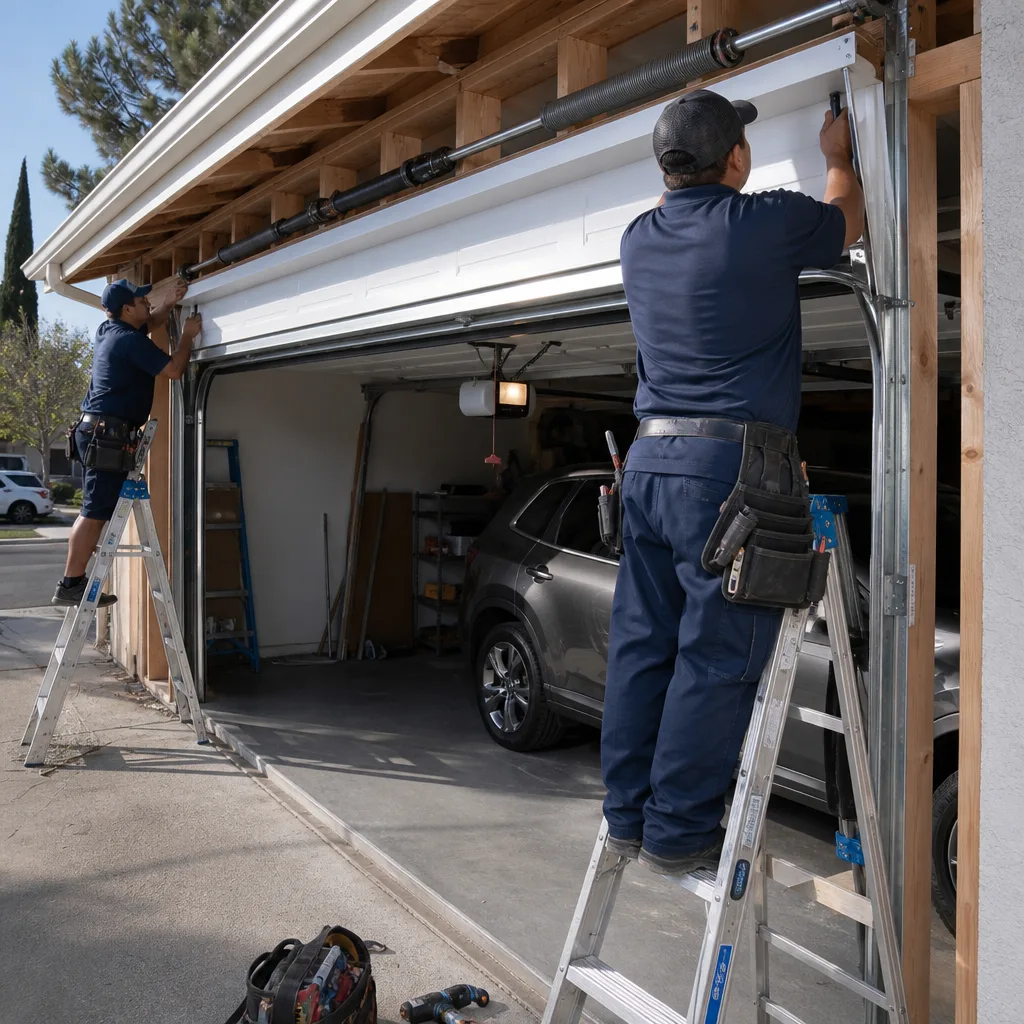
This is where most Los Angeles garage door transactions fail, and it’s the part we built Servo around in 2015. Before any work starts, you should have a written price and a written scope. After the work is done, you should have evidence of what was actually found and what was actually replaced.
Here’s the minimum documentation standard for any garage door job in Los Angeles:
- Written quote before work starts: flat price, itemized scope, no “call for a quote” ambiguity. This is Clause 1 of The Haven Standard.
- Photo documentation of the failed component: if a spring is broken, you should see the break before you approve the replacement. Clause 4 of The Haven Standard requires exactly this.
- Photos of the completed work: new components installed, old parts removed, the door tested and balanced.
- Written warranty terms: what’s covered, for how long, and what voids it. Not a verbal promise.
- License and insurance information on the invoice, not on a business card: a legitimate Los Angeles contractor’s license number should be printed on every document.
The free second opinion offer is simple: if you have a written estimate from another company, bring it to us and we’ll review it at no charge. No coupon, no code, no obligation. If the other company’s diagnostic work is documented in writing, we’ll tell you honestly whether it’s accurate and whether the price is fair for the Los Angeles market. Most of the time, the issue isn’t the parts cost; it’s that the diagnostic was never shown to the homeowner at all.
For anyone researching a garage door installation in Los Angeles, the same standard applies: written price, written scope, and a documented record when the job is done. A door installation is a bigger purchase than a spring replacement, and the documentation should be proportionally more thorough.
Common Mistakes to Avoid
- Choosing a door by appearance alone. A dark steel door looks sharp in a render, but it will hit 150°F on a Valley afternoon and fade visibly within four years if the finish lacks UV inhibitors. Match the material to your microclimate first, then choose a color that works.
- Replacing a door without checking the opener’s compatibility. If your opener is a 15-year-old chain-drive unit and you’re installing a heavier insulated door, the opener may be undersized. A door replacement is the right time to evaluate the opener.
- Accepting a verbal quote. If the price isn’t written and the scope isn’t itemized before work starts, you’re accepting risk you don’t need to accept. Every Los Angeles garage door job should come with a flat written price.
- Ignoring the door’s balance after a spring replacement. A garage door should hold its position when opened manually to roughly waist height. If it creeps up or falls, the spring tension is wrong, and the opener will burn out motors prematurely.
- Choosing extension springs over torsion springs for sloped driveways. On a graded approach in a hillside neighborhood, torsion springs provide more even travel and longer service life.
- Skipping the weatherstripping. A new insulated door with degraded perimeter seals loses most of its energy benefit and lets dust, water, and pests into the garage. Los Angeles has a year-round pest pressure problem that an unsealed garage invites.
- Not confirming the wind rating on canyon homes. A door rated for a flat inland lot may bow and rack during strong Santa Ana winds. This is a structural issue, not a comfort issue.
When to Call a Professional
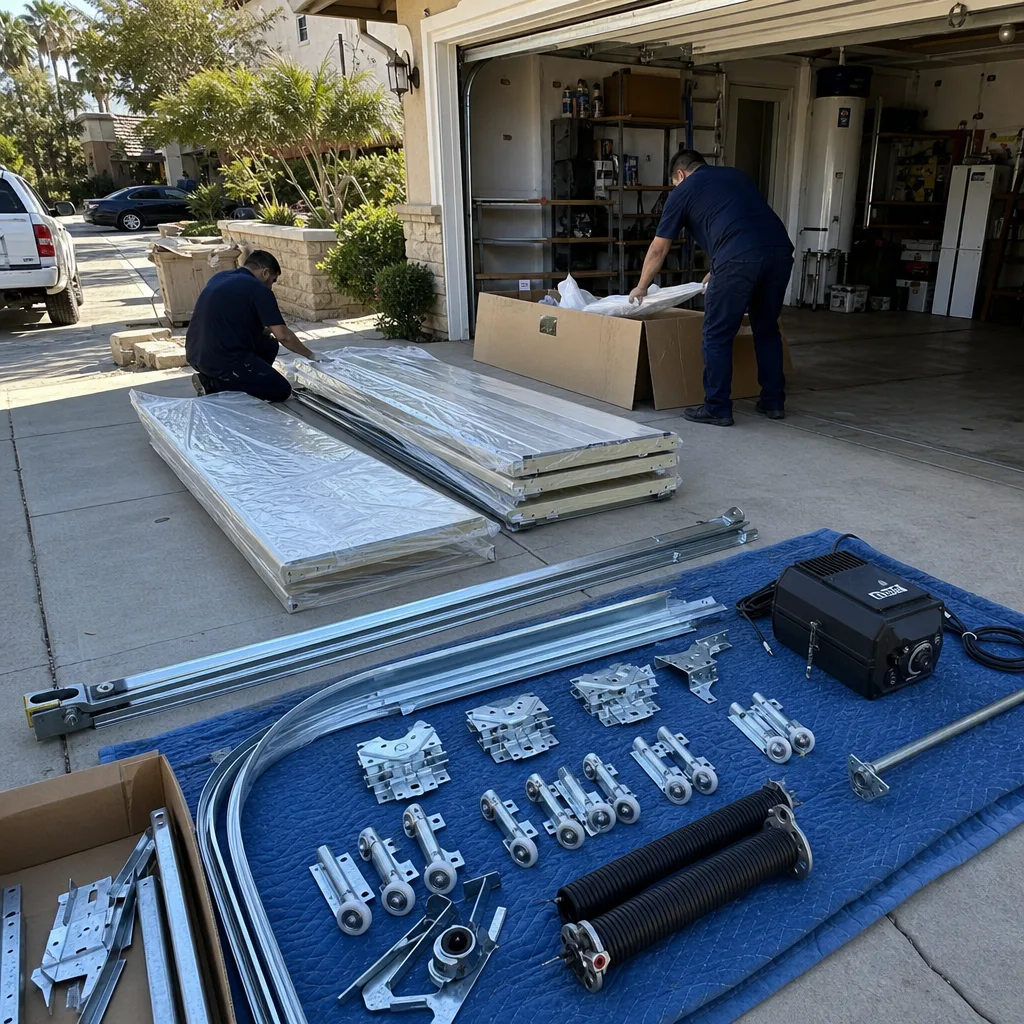
Some jobs are genuinely unsafe to attempt without training, and garage door springs top the list. If a torsion spring has snapped, the door is off its track, the cables are frayed, or the door isn’t responding to either the wall button or the remote, call a professional. The same applies to any opener repair that involves the logic board or wiring: opener internals carry line voltage even when the motor is off. Garage door opener repair & installation in Los Angeles is standard work for us, but it’s not the place to start a DIY project. Servo Garage Doors Los Angeles offers free estimates throughout Los Angeles; call (213) 348-6550 and you’ll speak to a person, not a phone tree, 24 hours a day.
Frequently Asked Questions
A new garage door in Los Angeles costs between $1,400 and $6,500 installed, with most single-wide insulated steel doors landing between $2,200 and $3,800. The price depends on panel material, size, insulation level, and whether the door needs a wind rating for a foothill or canyon location. Call (213) 348-6550 for a free written quote on your specific door opening.
A well-installed garage door in Los Angeles lasts 15 to 25 years, but coastal salt air in neighborhoods like Marina del Rey and Playa del Rey can shorten steel door life to 10 to 15 years unless the door has marine-grade corrosion protection. Springs last 7 to 12 years on average, regardless of the door.
Most garage door replacements in Los Angeles do not require a permit when the opening size and structure are unchanged, but any modification to the header, framing, or opening dimensions does require approval from the Los Angeles Department of Building and Safety. See our guide to permits and codes for details. A replacement door in the same opening is treated as a like-for-like swap.
Yes. We stock torsion and extension springs for all major brands on our trucks, and our technicians in Los Angeles complete most spring replacements in a single visit. The work includes balancing the door and testing it through a full cycle before the technician leaves.
The most common causes in Los Angeles are a burned-out logic board from electrical surges, failed photo-eye sensors misaligned by heat expansion, and stripped drive gears on older chain-drive units. The first check is whether the opener has power and whether the safety sensor lights are steady. If both look correct and the door won’t move, the logic board or the capacitor has likely failed.
Not automatically. An R-16 insulated door makes sense for an attached garage in Burbank or Woodland Hills where summer heat transfer is the main issue, but for a detached garage in El Segundo or Playa del Rey, corrosion resistance and material choice matter more than the R-value number. Match the purchase to your microclimate, not to the highest number on the spec sheet.
The Bottom Line
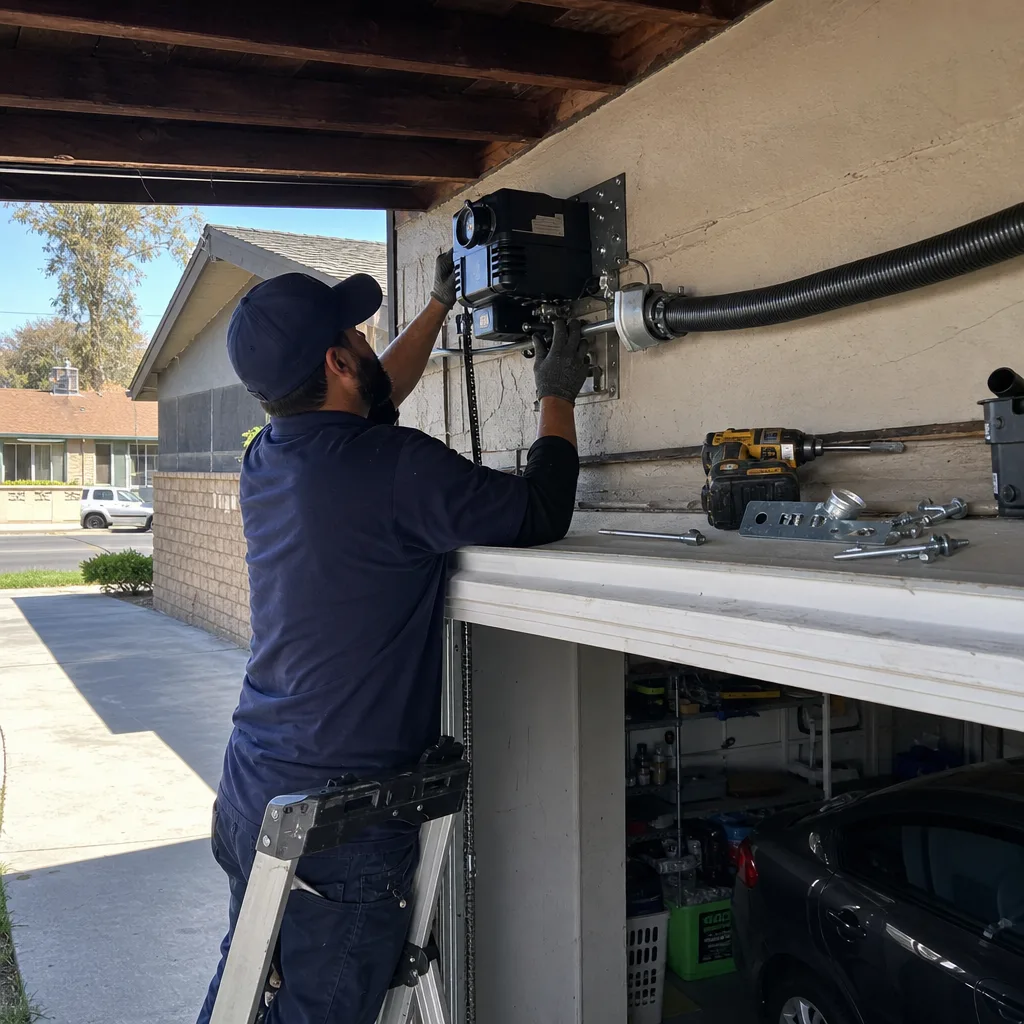
A garage door in Los Angeles is a microclimate decision before it’s a style decision. Coastal homes need corrosion-resistant materials, inland homes need UV-stable finishes and insulation, and hillside homes need torsion springs and wind-rated panels. Get the material right, verify the wind rating, review the R-value in context, and refuse any job that doesn’t come with a written price before work begins. The paper trail is the difference between paying for a repair and paying for a story about a repair. Start with the Servo Garage Doors Los Angeles home page or call (213) 348-6550 for a free estimate on any door issue in the Los Angeles area.
Written by Marcus Deller, Owner at Servo Garage Doors Los Angeles, serving Los Angeles since 2015. For more guides & resources, visit our blog.