
Last updated September 19, 2026
Full 25-point door and opener safety check with every visit - springs, cables, rollers, tracks, and your LiftMaster or Chamberlain opener included
You get a price before we start. It does not change when the truck arrives.
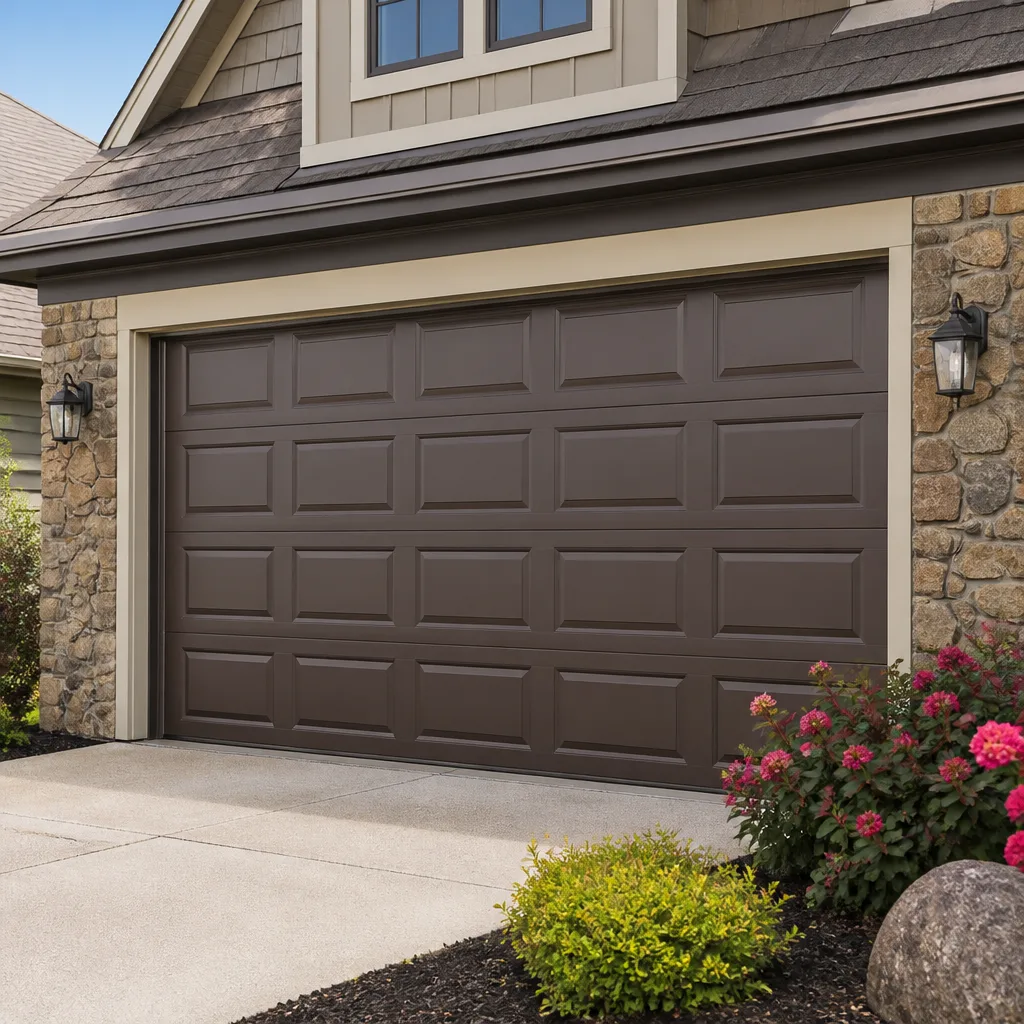
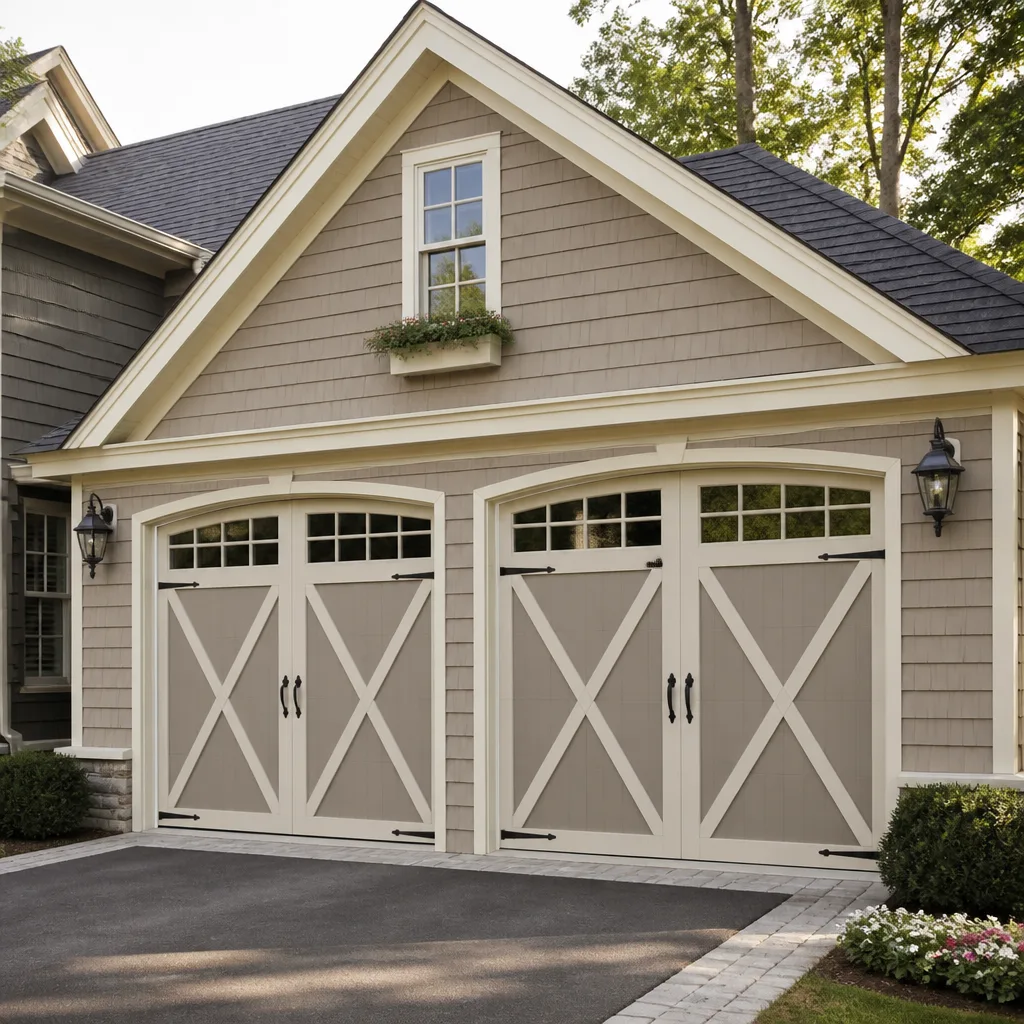
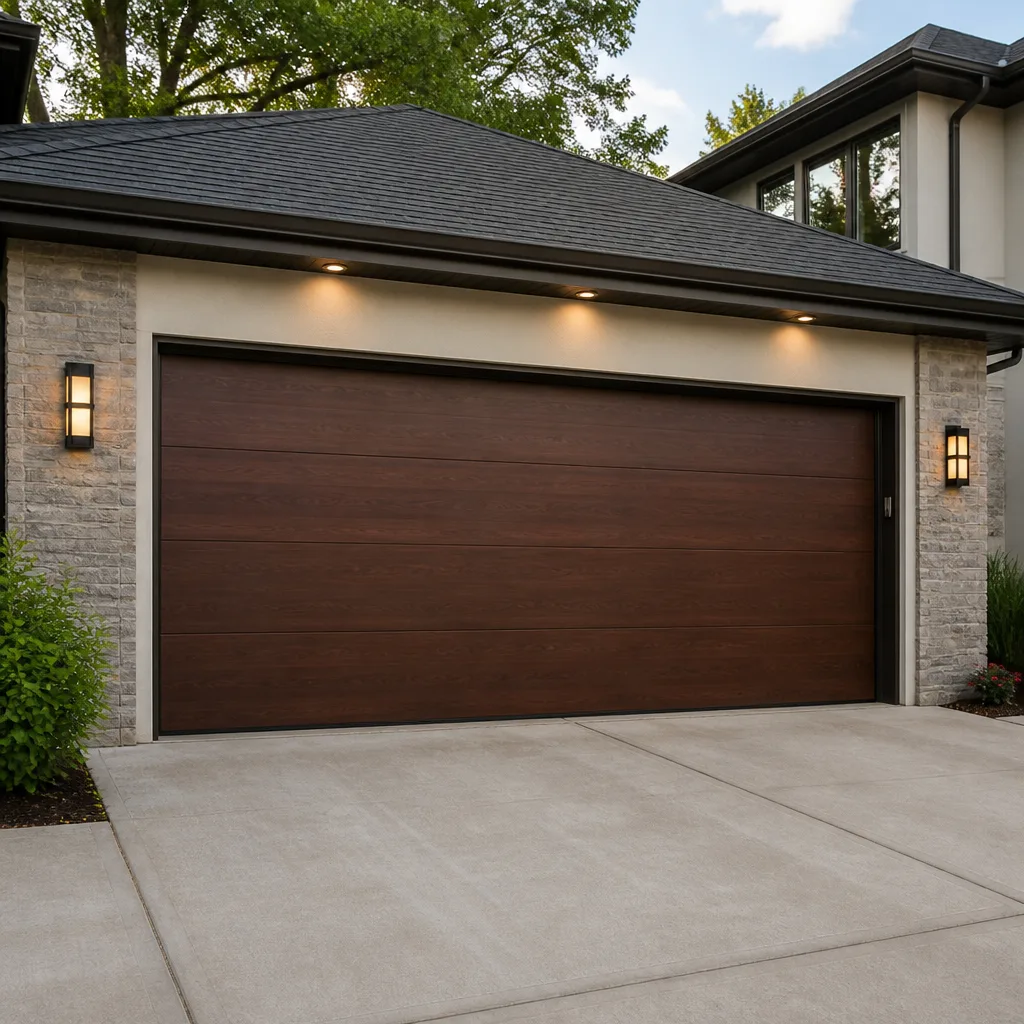
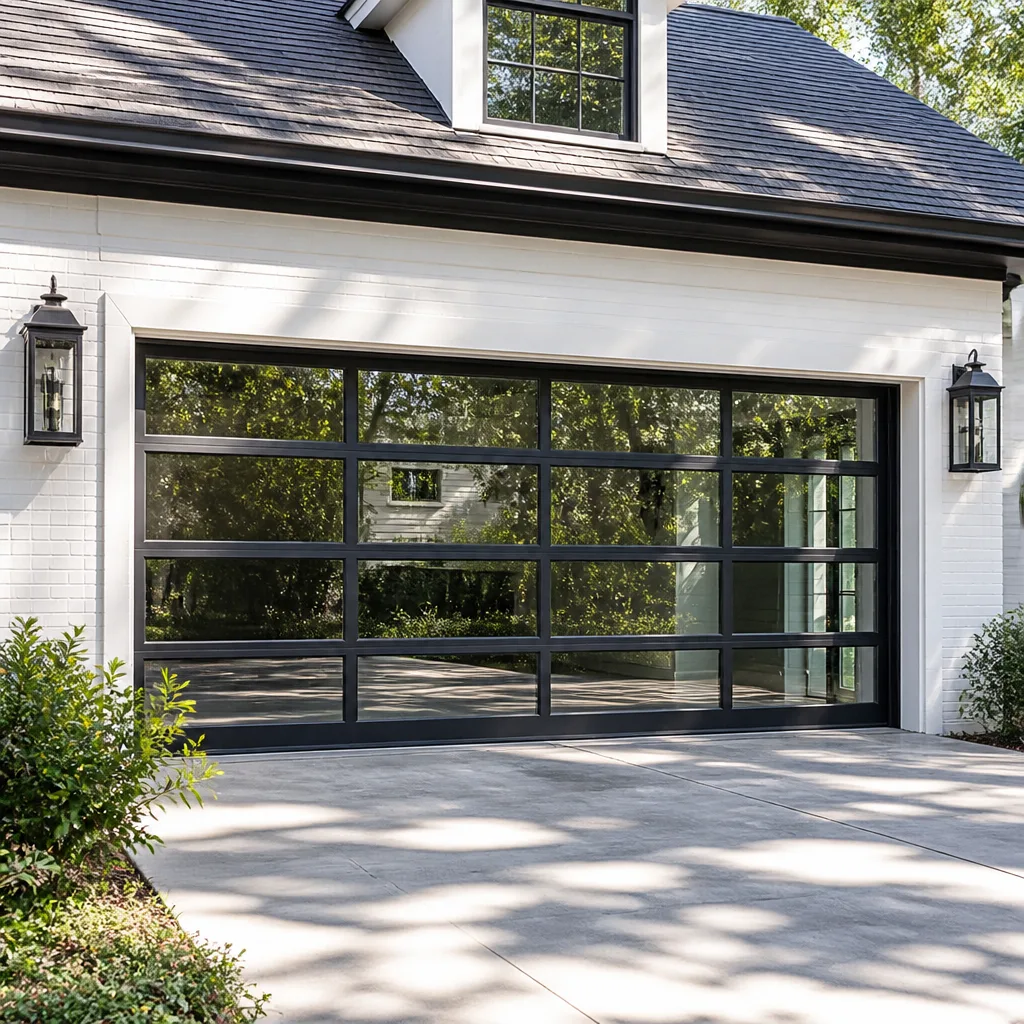
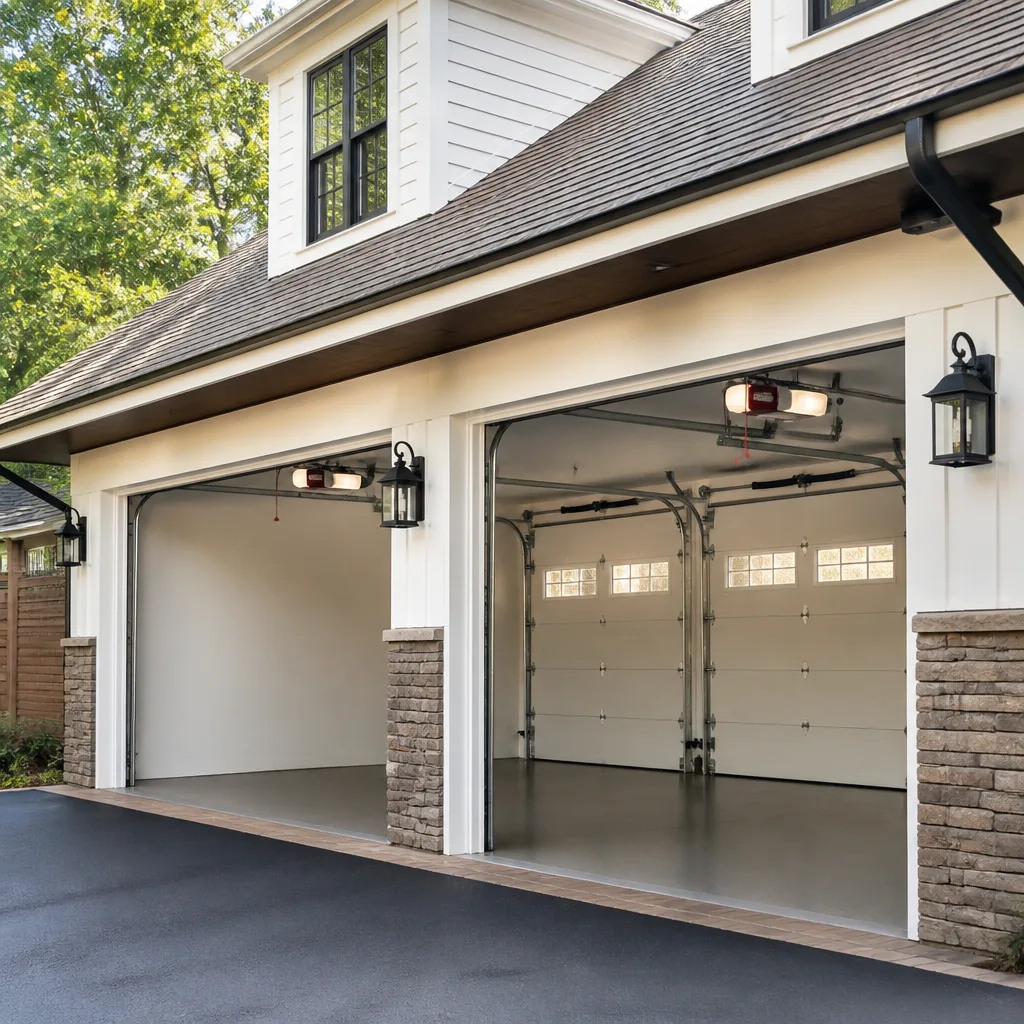
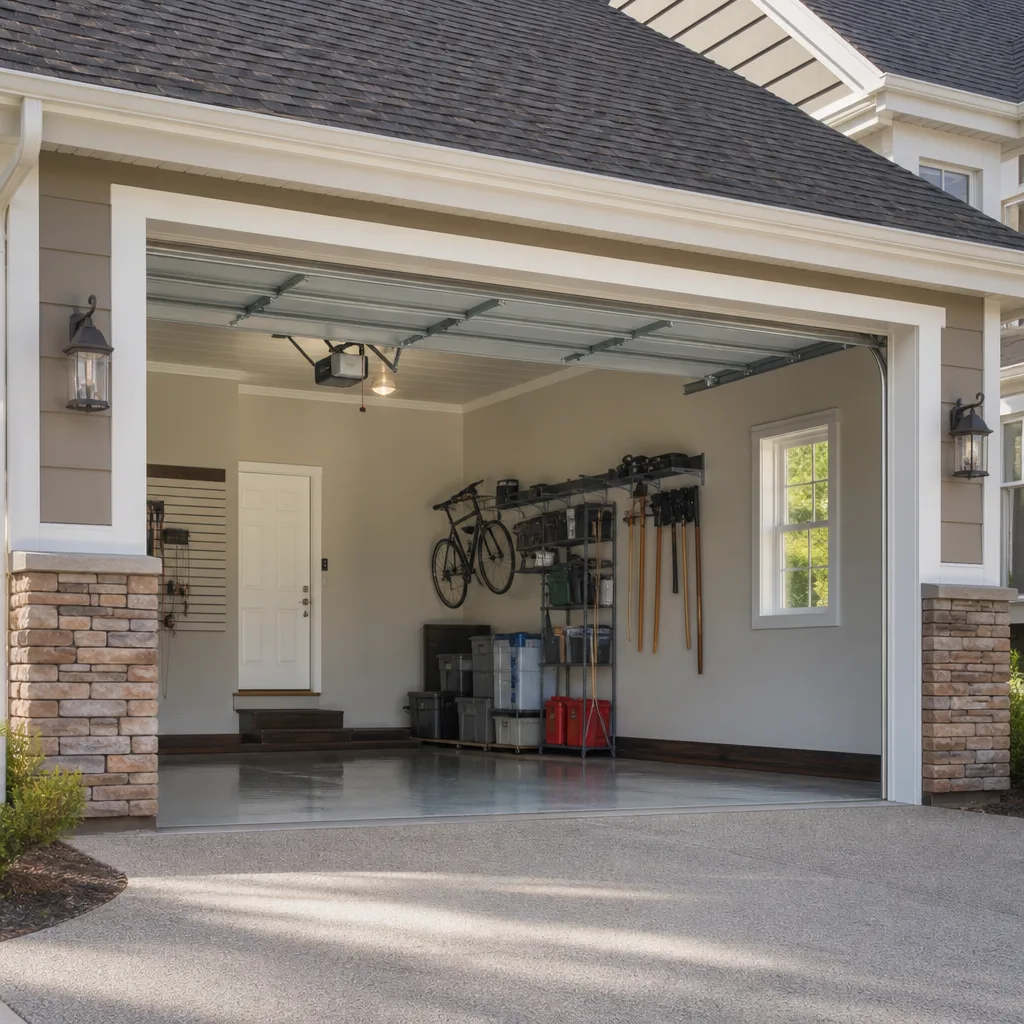
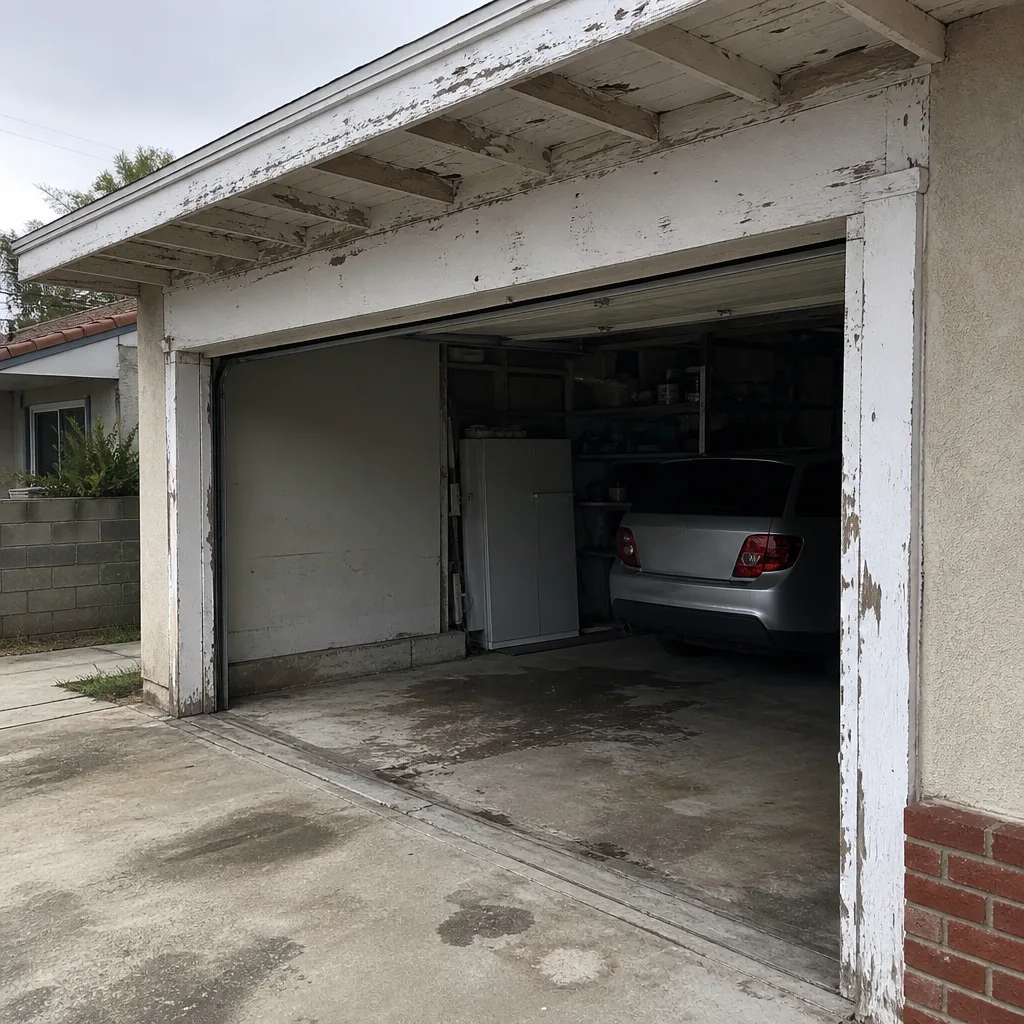 Before
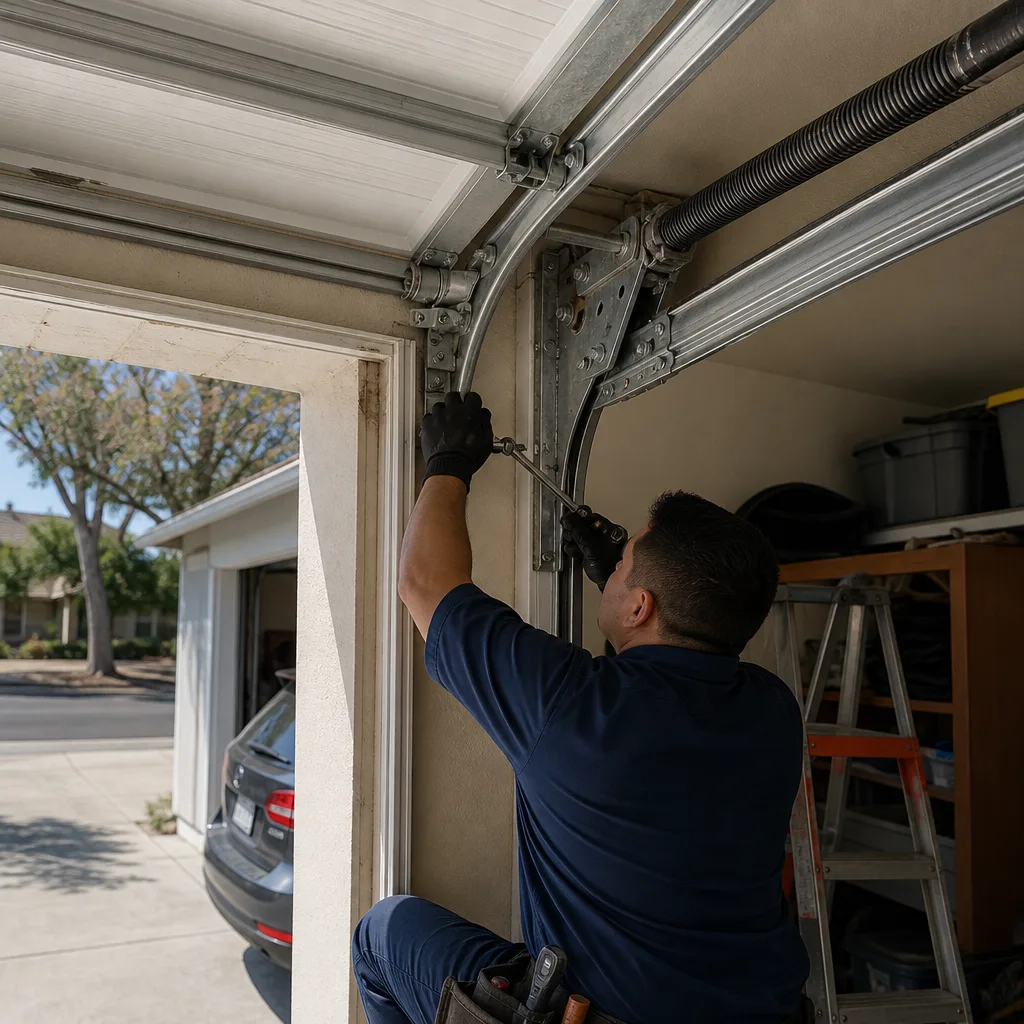 After
After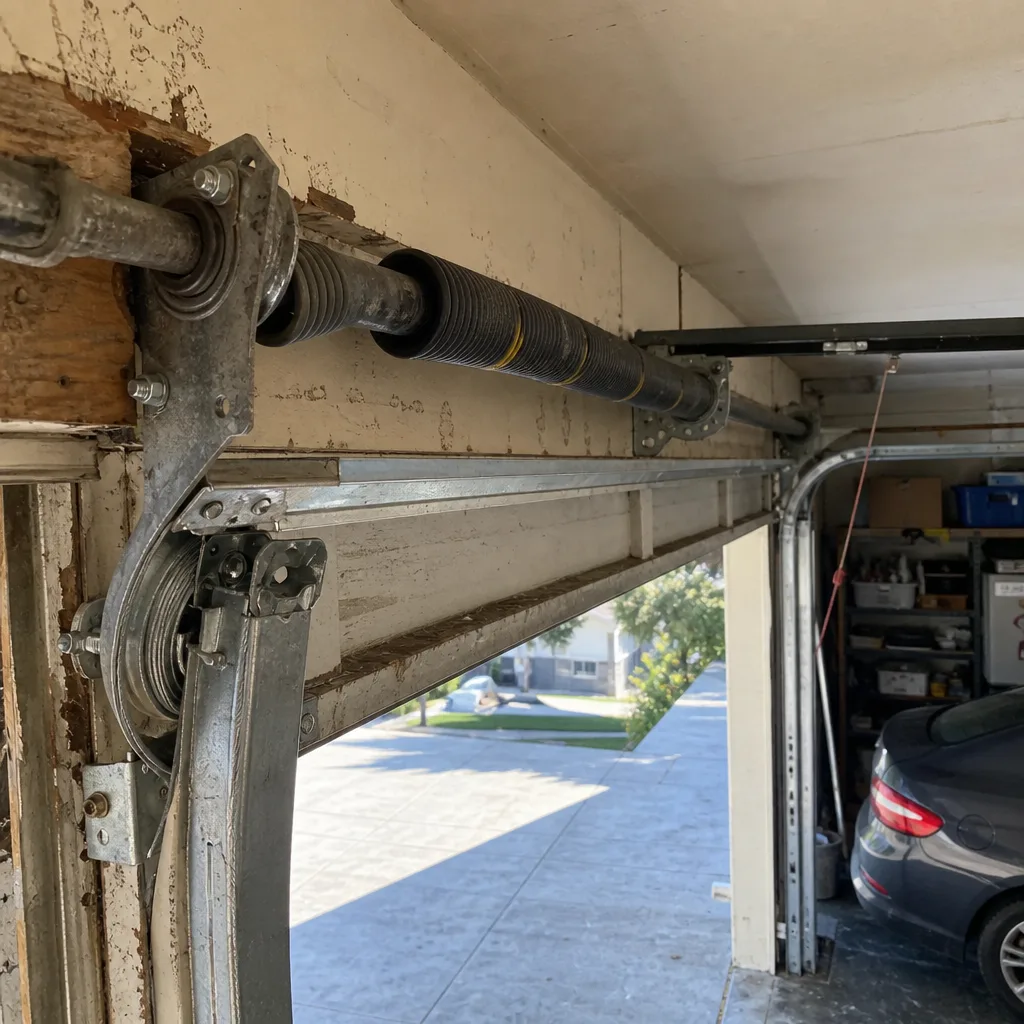 Before
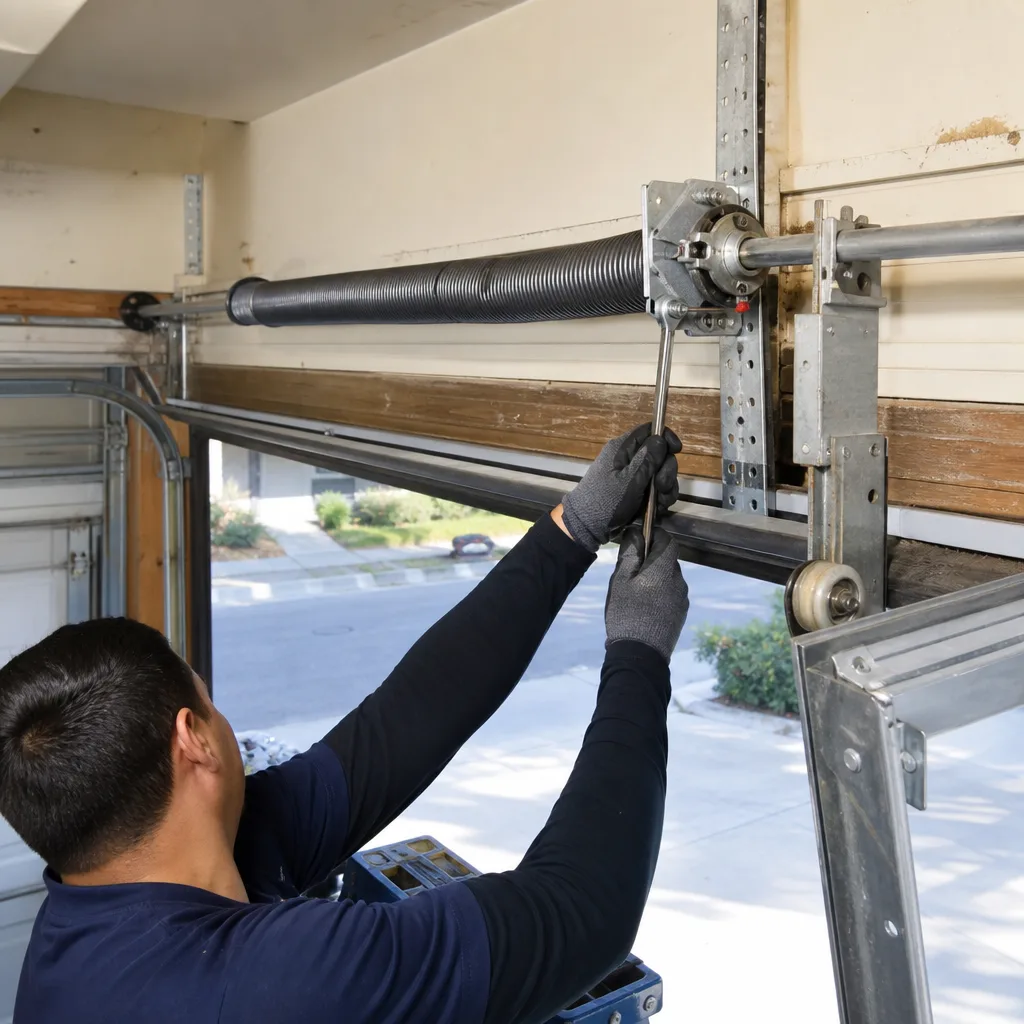 After
After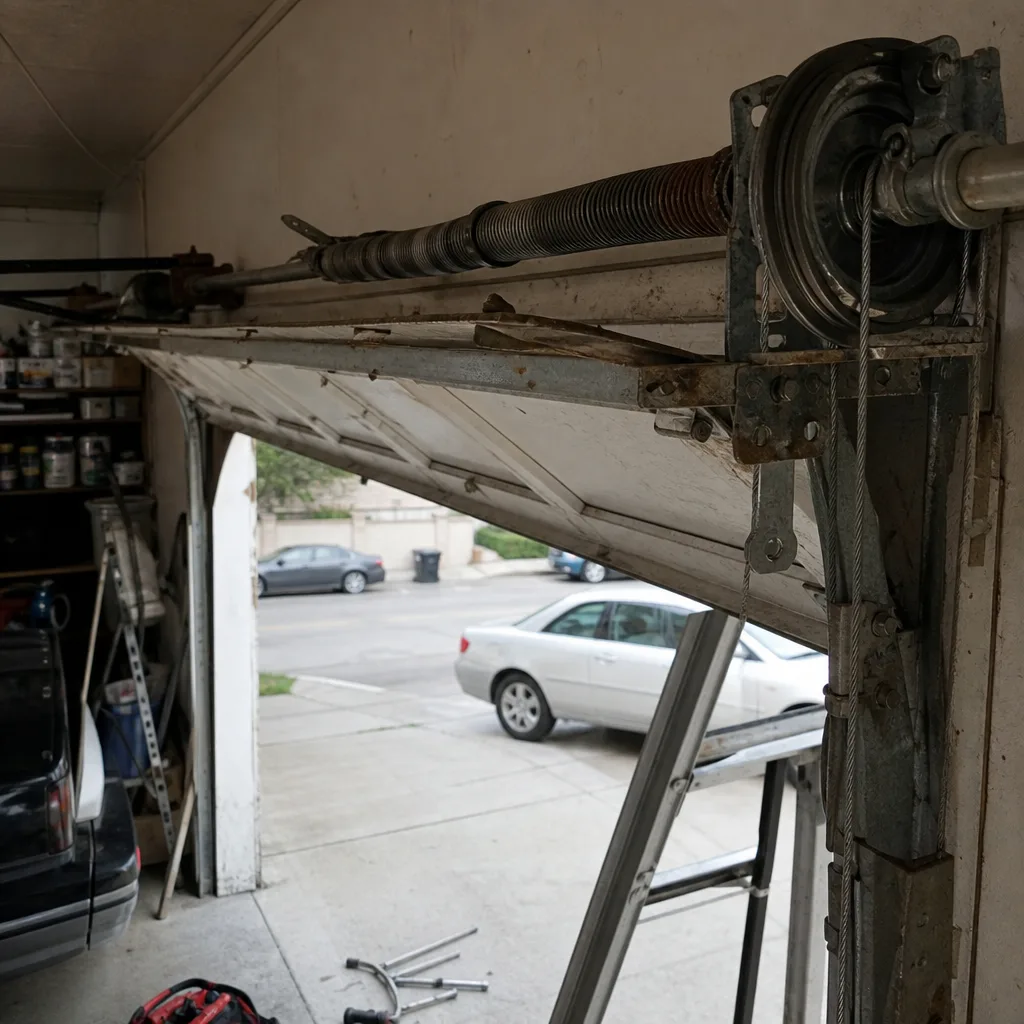 Before
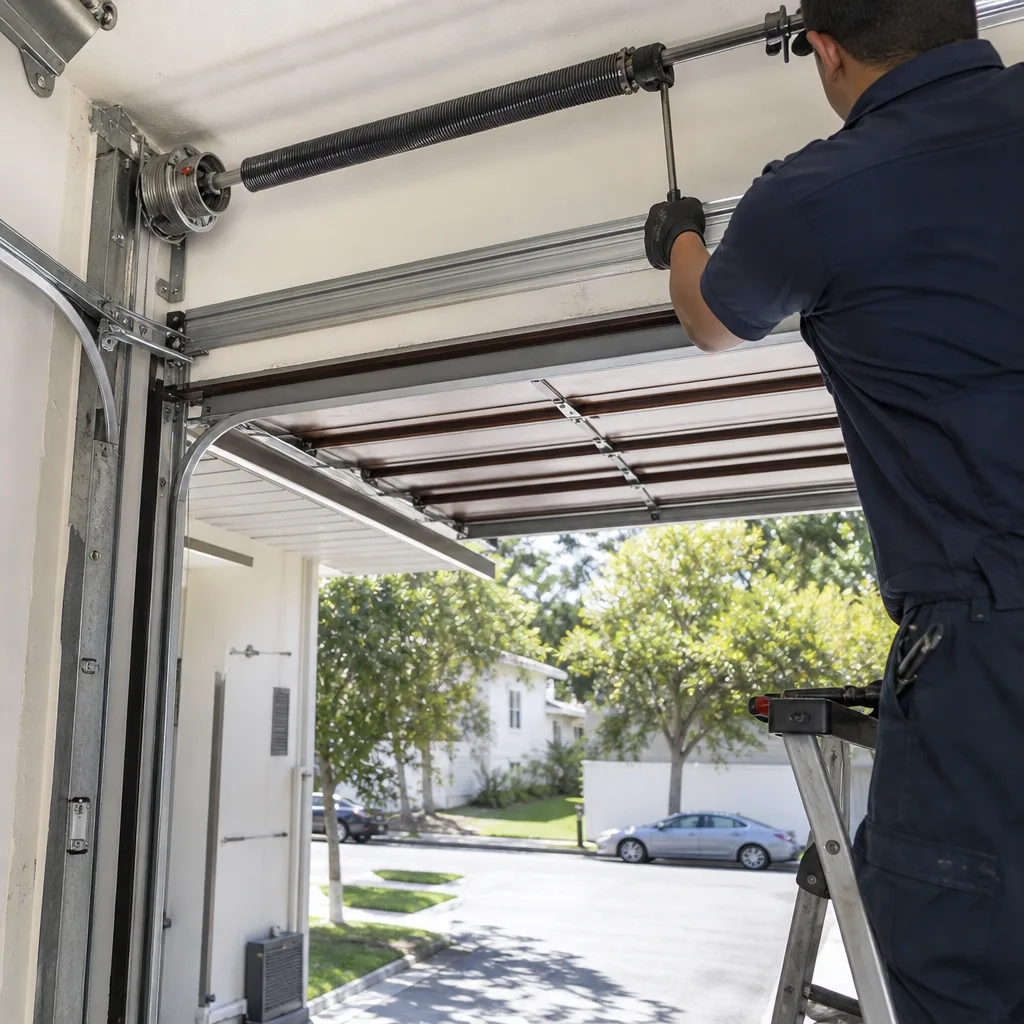 After
AfterGarage Door Cost Breakdown: The Los Angeles Homeowner’s Reference for 2026
The $299 garage door repair ad you see on Los Angeles NextDoor boards is usually a service call plus a single spring. The second spring, which any technician will tell you should be replaced simultaneously, runs $120 to $180 more. That’s not deceptive pricing. It’s an itemization structure designed to look cheaper than a competitor’s all-in quote that includes both springs from the start. This guide breaks down every line item in the Los Angeles market so you can compare quotes that were never structured to be compared, and points you to more guides & resources for ongoing maintenance.
Quick Answer
A garage door repair in Los Angeles typically costs $180 to $600 for common component failures like springs, cables, and rollers. A full door replacement runs $1,600 to $4,200 installed depending on material, insulation, and window count. A new opener with installation lands between $600 and $1,400. These are 2026 Los Angeles numbers that include the licensed-contractor labor premium California requires.
Table of Contents
- Component-by-Component Cost Table for the 2026 Los Angeles Market
- How to Read a Labor Line: Licensed C-61 Contractors vs. Unlicensed Operators
- The Parts-Markup Model: Wholesale vs. Retail on a LiftMaster 8500W
- When Permits Add Cost: The LADBS Permit Fee Scenario
- How to Compare Two Quotes That Aren’t Structured the Same
- Replacement vs. Repair: The Break-Even Math
- What a Garage Door Opener Actually Costs in Los Angeles
- Common Mistakes to Avoid
- When to Call a Professional
- Frequently Asked Questions
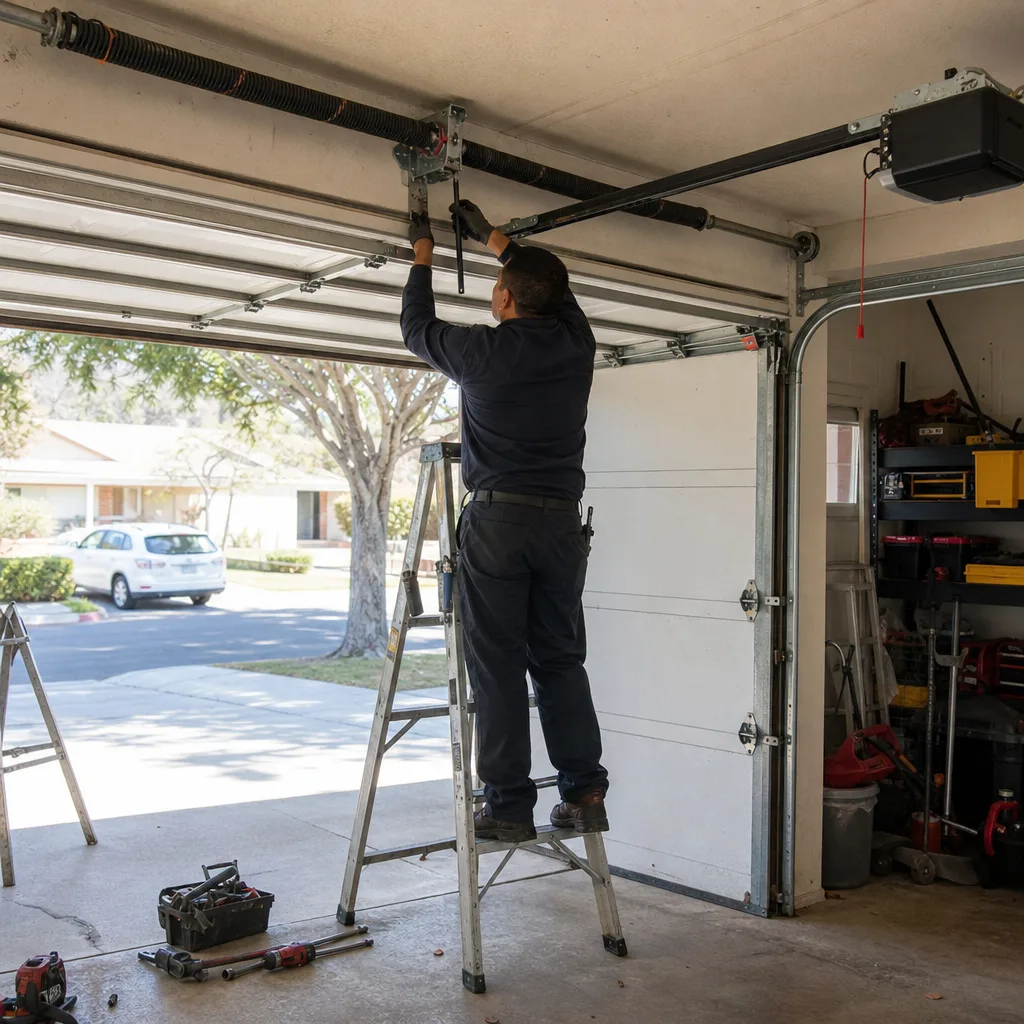
BeforeAfterComponent-by-Component Cost Table for the 2026 Los Angeles Market
Every garage door quote in Los Angeles breaks down into the same categories, even when the formatting hides them. Here are the 2026 price ranges we see across the metro area, from Van Nuys to Eagle Rock, for each component. These reflect installed prices with a licensed technician, not DIY part costs from a supply house.
| Component | Low (Base Grade) | Mid (Standard) | High (Premium) | Notes |
|---|---|---|---|---|
| Torsion spring (single) | $90-$130 | $140-$180 | $190-$250 | Always replace both springs together. Expect $180-$340 total for a pair. |
| Extension spring (single) | $70-$100 | $110-$150 | $160-$200 | Older doors only. Conversion to torsion adds $200-$350. |
| Cable (pair) | $85-$120 | $130-$180 | $190-$240 | Replace as a set. A snapped cable usually means the door lifted uneven and stressed other parts. |
| Roller set (10-12 rollers) | $80-$110 (plastic) | $120-$180 (nylon) | $200-$320 (steel-bearing) | Nylon is the sweet spot for noise and longevity in LA’s coastal salt air. |
| Hinge replacement | $40-$80 | $90-$150 | $160-$250 | Single hinge vs. full set. Full set makes sense beyond 3 failed hinges. |
| Weatherstripping (bottom seal) | $60-$90 | $100-$150 | $160-$200 | LA’s dust and heat crack seals fast. Check every fall before Santa Ana season. |
| Track realignment | $100-$150 | $160-$220 | $230-$350 | Labor-heavy. A bent track from a vehicle tap is the most common cause. |
| Panel replacement (single) | $250-$350 | $400-$550 | $600-$800 | Color-matching older doors is rarely exact. Expect a visible difference. |
| Full door replacement | $1,600-$2,200 | $2,400-$3,200 | $3,500-$4,200+ | Steel, uninsulated; steel, insulated; wood composite or custom. See the replacement section. |
| Opener replacement (installed) | $550-$750 | $800-$1,100 | $1,200-$1,400 | Chain, belt, or jackshaft. Jackshaft (wall-mount) commands the premium. |
These ranges track what we’ve written on flat-price scopes across Los Angeles through late 2025 and into 2026. Your specific address matters. A detached garage in Sherman Oaks with a 1978 wooden door will price differently than a 2021 townhome in Playa Vista with a standard steel panel. What doesn’t change is the structure: the part, the labor to install it, and any disposal or permit line.
If you’re pricing out a full replacement rather than a repair, start with our Garage Door Installation in Los Angeles guide for material-by-material pricing.
How to Read a Labor Line: Licensed C-61 Contractors vs. Unlicensed Operators
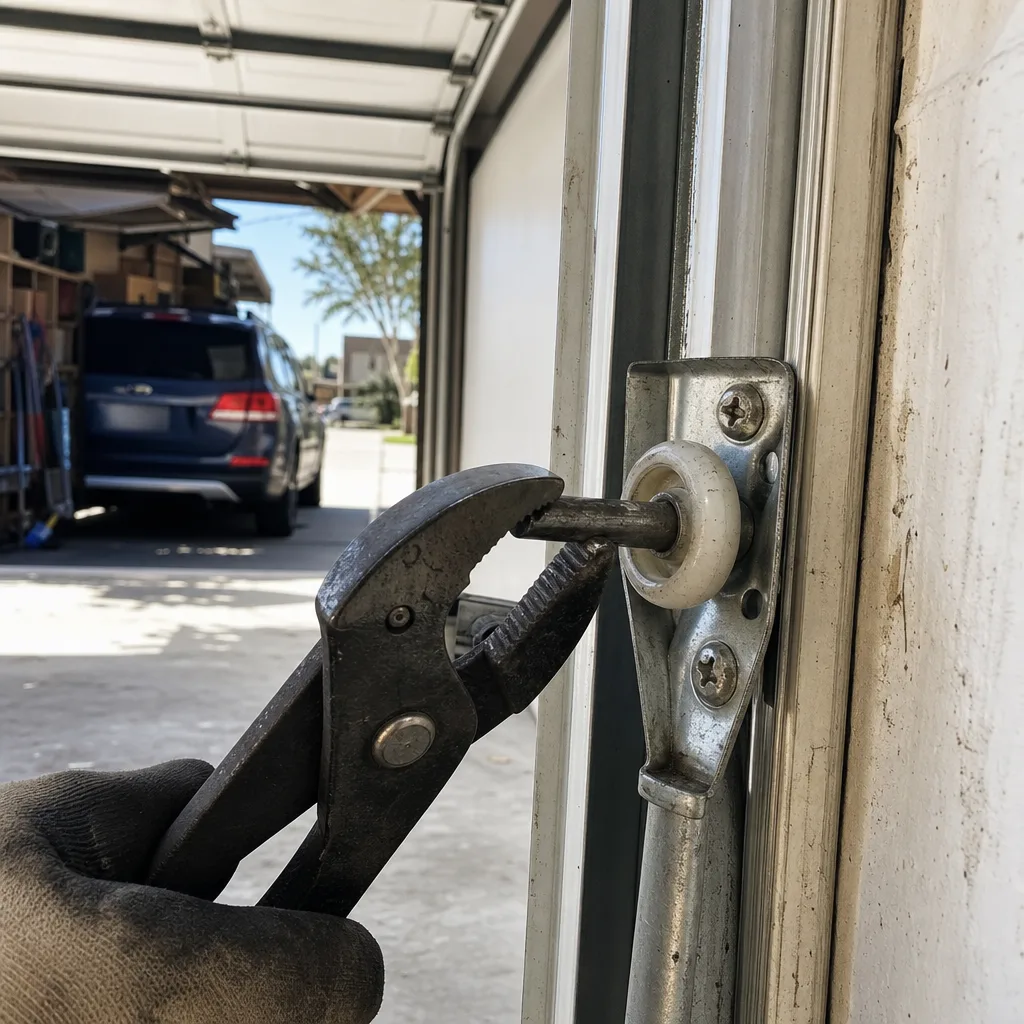
California labor law creates a price floor that unlicensed operators simply don’t pay. A licensed C-61 contractor in Los Angeles carries workers’ compensation insurance, pays state disability, and files with the Contractors State License Board. That overhead lands on the labor line. It’s not markup padding. It’s the cost of the technician on your driveway being covered if he injures himself on your property.
Here’s the practical difference in 2026 Los Angeles numbers:
- A licensed C-61 technician bills $95-$145 per hour for garage door work. A typical spring replacement takes 45-90 minutes, but you’re paying a service minimum of 1-1.5 hours plus a trip charge of $40-$75.
- An unlicensed operator might quote $60-$80 per hour with no trip fee. The total quote looks 30-40% lower. But if that worker is injured on your property, your homeowner’s policy is the one that responds. In Los Angeles, where many garage doors sit directly over vehicles and living space, that’s a risk with your name on it.
You can verify a license in 30 seconds on the CSLB website. The license number should be on the estimate, on the truck, and on the technician’s uniform. If it’s not on all three, ask why.
Los Angeles county also has prevailing-wage projects, but those apply to public works, not residential single-family doors. The distinction matters when a contractor tells you his labor rate is higher “because of prevailing wage.” That’s true for a city building. It is not true for your house. Ask for the line-item breakdown.
For more on what a repair job involves once the technician arrives, see our Garage Door Repair in Los Angeles page.
The Parts-Markup Model: Wholesale vs. Retail on a LiftMaster 8500W
Every service business marks up parts. The question is whether the markup is disclosed as a flat structure or hidden inside a bundled number. In Los Angeles, you’ll see two pricing philosophies: cost-plus and fixed-price.
Let’s use the LiftMaster 8500W wall-mount jackshaft opener as the reference. This is the most common premium opener in LA because it frees up ceiling space, which matters when your garage is a converted gym or storage zone.
- Wholesale cost to the contractor: $380-$430 depending on distributor volume.
- Retail cost at a Los Angeles supply house or online: $520-$580.
- Installed price from a fixed-price operator: $1,100-$1,400 including labor, angle iron, wiring, and programming.
- Installed price from a cost-plus operator: $850 + part cost ($520 shown) = $1,370, or $850 + part cost ($430 shown as “our cost”) = $1,280.
The fixed-price quote and the cost-plus quote often land within $100 of each other. The difference is what you can verify. A cost-plus quote should show the wholesale invoice. A fixed-price quote should show the total and the scope. Both are legitimate. What is not legitimate is a quote that says “opener: $1,400” with no breakdown at all, and no explanation of which model you’re getting.
Servo Garage Doors Los Angeles writes a flat, fixed price with a written scope before any work begins. That’s Clause 1 of The Haven Standard. We don’t do cost-plus, because the moment a technician opens the panel and finds a rusted mounting bracket, the cost-plus customer is negotiating a change order on his own driveway. You should know the number before he arrives, not after.
Here’s the markup math most breakdowns omit: the percentage on a $400 part is higher than the percentage on a $4 part, because the absolute dollars are. A 35% markup on a spring that costs $22 wholesale is $7.70. A 35% markup on a jackshaft opener that costs $400 is $140. Fixed-price companies absorb that into the total. Cost-plus companies show it. Neither is wrong. What’s wrong is a company that charges the fixed-price total and tells you the parts were “included.”
When Permits Add Cost: The LADBS Permit Fee Scenario
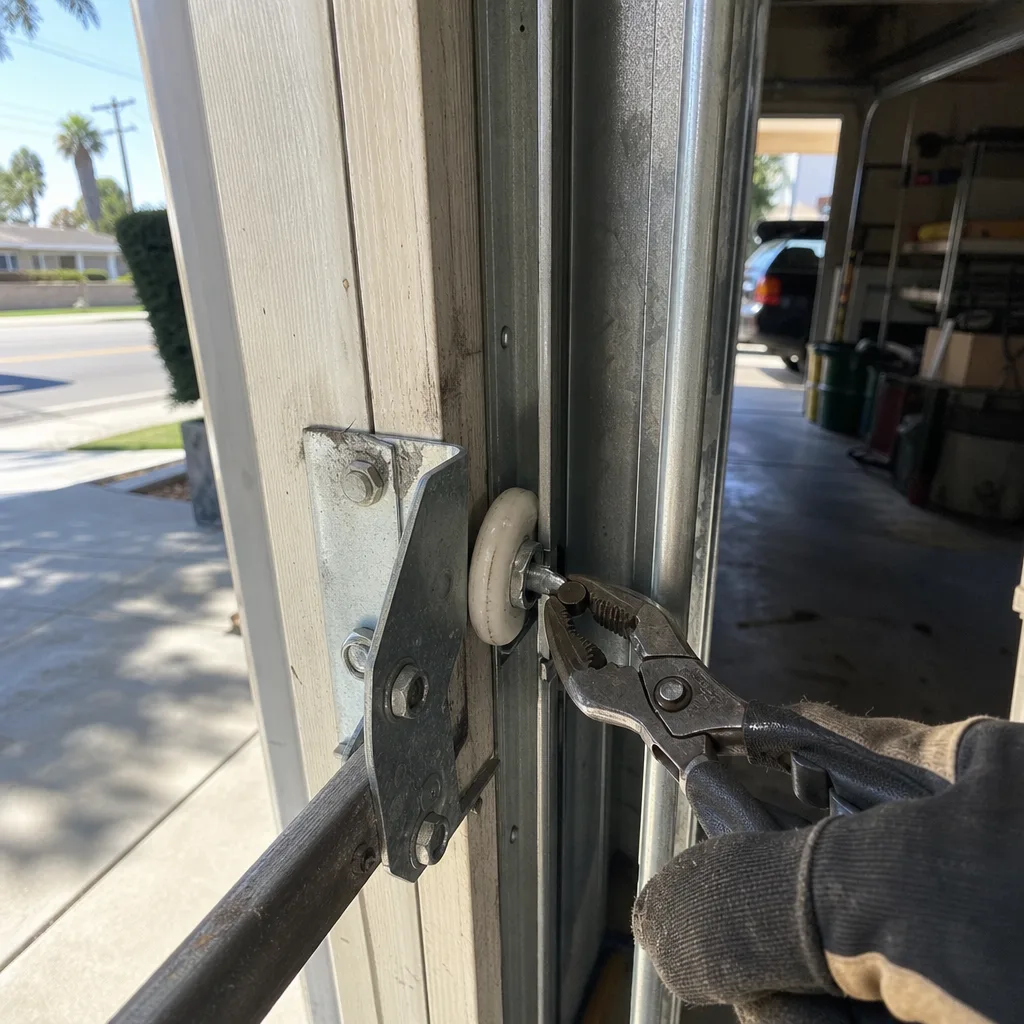
A permit for a garage door replacement in the City of Los Angeles costs between $200 and $600 depending on the job scope and the valuation declared to the Los Angeles Department of Building and Safety. It’s legally required when the replacement changes the door’s fire rating, when the opening is being enlarged, or when structural members like the header are being modified. Most straightforward same-size door swaps do not require a permit under current LADBS enforcement practice. That’s the honest answer. For full details, see our guide to Garage Door Permits, Codes & Inspections in CA: What You Need to Know.
Here’s where Los Angeles homeowners get burned. A contractor quotes the door, the labor, the haul-away, and the opener, then bills a permit line at the end as a “surprise.” Or the opposite: the contractor skips the permit, the work doesn’t meet fire rating for garage-to-home separation, and the home fails a future buyer’s inspection. By some market estimates, permit issues appear on as many as 20% of replacement jobs in LA, either as an omitted line item or a surprise addition.
The fix is one sentence in your written scope: “Does this job require an LADBS permit, and is the permit fee included in this price?” If the answer is yes, it goes on the line item. If no, that answer goes in writing too. The Haven Standard’s Clause 1 covers this: the written price and written scope are delivered before any work starts. No exceptions. You should hold every Los Angeles contractor to that same standard, whether they know the clause number or not.
How to Compare Two Quotes That Aren’t Structured the Same
In Los Angeles, you’ll get a quote from a national franchise, a quote from an independent, and a text from a guy who found your number on a neighborhood app. None of them will use the same categories. Here’s the normalization worksheet approach we recommend. Put both quotes into this structure before comparing dollar figures:
- List every line item from Quote A and Quote B in a single column. Don’t combine anything. “Spring replacement” is not the same line as “spring replacement + cable check.”
- Identify what’s missing from each quote. If Quote A shows two torsion springs and Quote B shows one, add the cost of the second spring to Quote B. If Quote B includes a haul-away line and Quote A doesn’t mention disposal, add $75-$150 to Quote A.
- Check the part grades. A $220 spring quote means nothing until you know the wire diameter and the cycle rating. 10,000-cycle springs run more than 25,000-cycle springs. If one quote doesn’t specify, assume the lower grade.
- Verify the license status on both. Unlicensed quotes should be discarded, not normalized.
- Put the permit question in writing to both. See the permits section above.
- Compare the totals, then subtract what you can’t verify. If a line item says “miscellaneous: $200,” that’s not a price. That’s a placeholder. Ask for the noun behind it.
Here’s a real normalization example from a Los Angeles job in 2025. One quote from a national chain listed a door replacement at $3,100 with “standard installation included.” A second quote from an independent listed a door at $2,400 plus a $450 labor line, $180 haul-away, and $90 for reinforcement struts. The normalized totals came within $20 of each other. The independent’s quote was clearer because the chain’s “standard installation” hid four separate line items behind three words. Clear pricing is not the same as cheap pricing. It’s just easier to trust.
If you already have a written estimate from another company, bring it in. Servo Garage Doors Los Angeles offers a Free Second Opinion on any competing written estimate. No coupon, no code, no catch. We’ll put our numbers next to theirs in the same categories and let the paperwork speak.
Replacement vs. Repair: The Break-Even Math
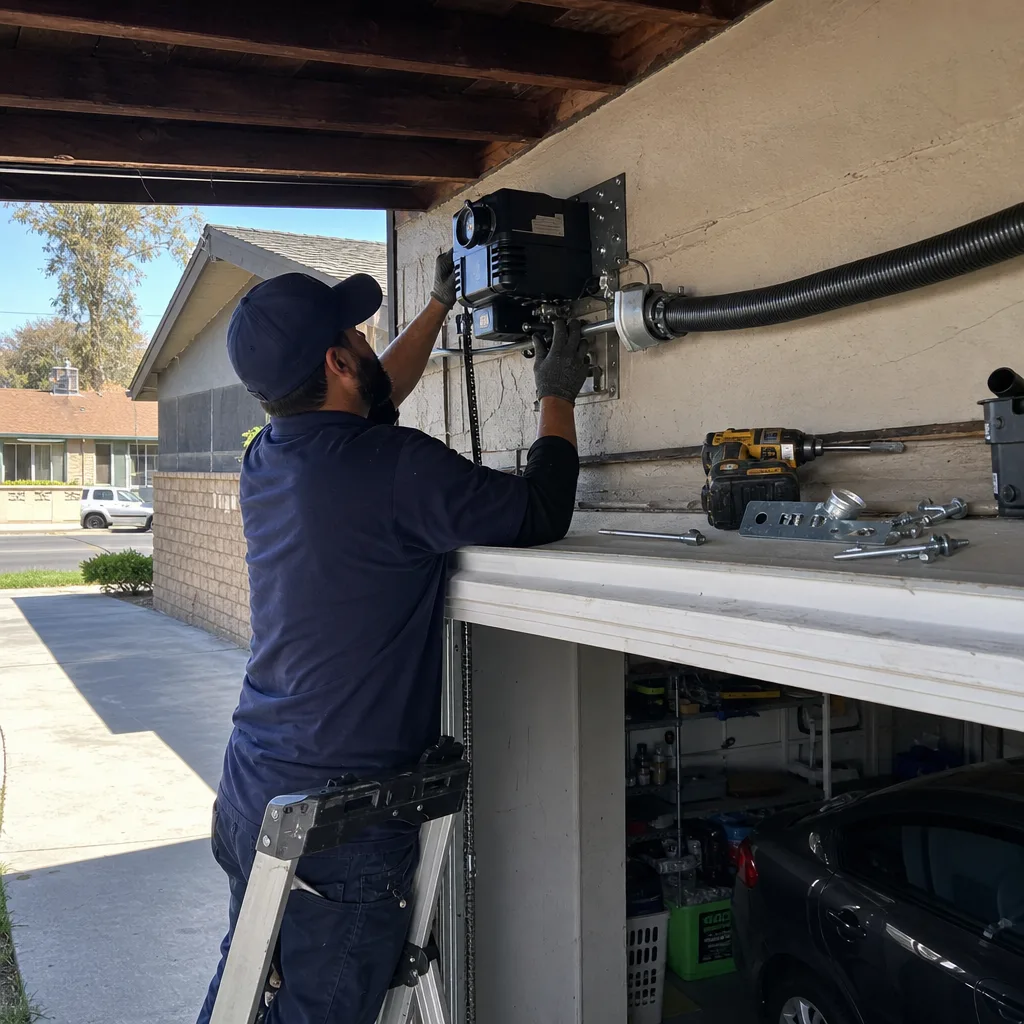
The decision to replace a garage door instead of repairing it comes down to three numbers: the cost of the repair, the age of the door, and the condition of the other components. Los Angeles homeowners often repair a door that should be replaced because the repair quote is lower in the moment. That’s not always wrong. It’s just incomplete.
Here’s the break-even framework we walk customers through:
- If your door is under 10 years old and the failure is isolated (one spring, one cable, a damaged panel from impact), repair almost always wins. A $300 spring replacement on a 2020 door extends its life another 5-8 years.
- If your door is 10-18 years old and you’re looking at a second or third major repair within two years, start pricing replacement. The cumulative repair cost often reaches 60-70% of a new door’s price within 24 months.
- If your door is over 18 years old and needs both springs, a panel, and a track realignment, replacement is usually the better financial decision. A 2006-era steel door in Los Angeles has also missed two decades of insulation improvements. New polyurethane-insulated doors run 10-14 R-value. Old doors run 2-4.
- If the door has wood rot from LA’s wet winters and dry summers, or rust from coastal salt air, that’s not a repair item. That’s a structural fail.
Los Angeles neighborhoods differ here. Beach-adjacent homes in Play del Rey and Manhattan Beach replace doors more often due to salt corrosion on tracks and hinges. Valley homes in Encino and Northridge get more sun-related seal and panel fading. A door that looks cosmetically rough but operates fine may still have years of function left. The photo record from a technician’s visit answers this better than a phone description. That’s why we photograph what we find on every visit, per Clause 4 of The Haven Standard. You see the rust, the wear, the panel delamination. Then you decide.
What a Garage Door Opener Actually Costs in Los Angeles
An opener is the most commonly misquoted item in garage door work. National chain advertising often shows $99 or $149 install specials on openers. Those prices assume a chain-drive unit with a $50-$80 part cost and a 30-minute swap on a perfectly aligned door. In Los Angeles, with 2026 supply costs, a realistic opener replacement runs $600-$1,400 installed.
Here’s the breakdown by drive type:
- Chain drive: $600-$800 installed. Loud but durable. Genie and Chamberlain dominate this tier. Good for detached garages where noise doesn’t matter.
- Belt drive: $800-$1,100 installed. Quieter, which matters when the bedroom sits above the garage. Most common choice in LA’s 2015-2025 builds.
- Jackshaft (wall-mount): $1,100-$1,400 installed. The LiftMaster 8500W and its successors free the ceiling entirely. Required when the door tracks are high-lift or when the ceiling is finished.
The part-grade spread matters here. A Clopay door with a Wayne Dalton TorqueMaster system won’t accept a standard opener without a conversion kit. An Amarr door with a heavy wood overlay needs an opener with higher horsepower. The brand list on our service pages exists because these compatibility mismatches are common. Servo services all eight major brands: LiftMaster, Chamberlain, Genie, Clopay, Amarr, Wayne Dalton, Craftsman, and Raynor.
For opener-specific repair and installation details, see Garage Door Opener Repair & Installation in Los Angeles.
Common Mistakes to Avoid
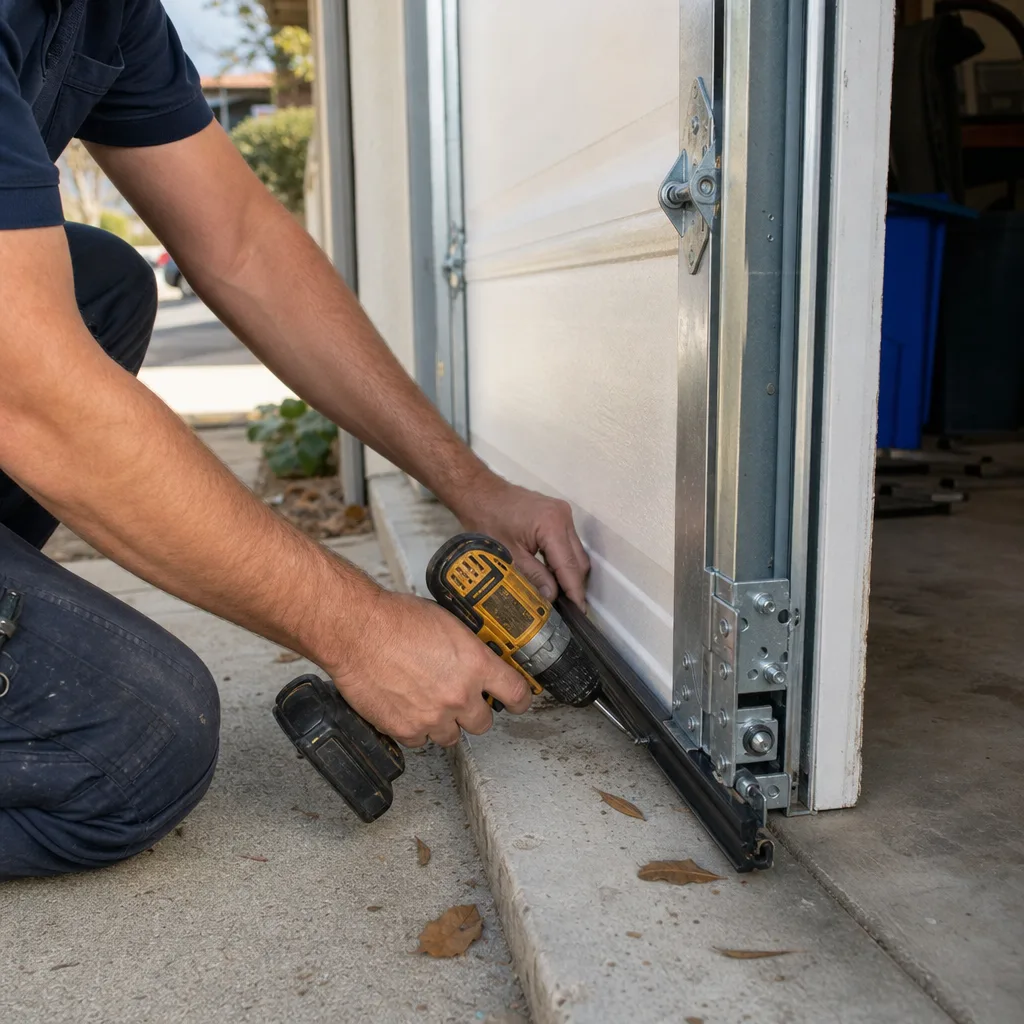
- Accepting a quote that says “springs: $299” without asking if that covers one or two. A single spring replacement on a torsion system leaves the old spring in place. It will fail within months, and you’ll pay the service fee again. Insist on both.
- Comparing a chain franchise quote to an independent quote without normalizing the line items. The chain quote usually bundles labor and parts into fewer lines. That’s not cheaper. It’s just harder to audit.
- Skipping the license check. Thirty seconds on the CSLB website tells you whether you’re hiring a contractor or a person with a truck. In Los Angeles, unlicensed operators cluster on apps and flyers. Protect yourself.
- Letting a quote omit the permit question. If the contractor won’t put the permit answer in writing, find another contractor. The LADBS fee scenario is the most common surprise line item in this industry.
- Replacing a door that only needs springs. A $2,500 replacement on a 2019 door with one broken spring is overspending by $2,200. Get the photo record first. Look at what’s actually broken before you replace the whole system.
- Buying the cheapest weatherstripping. Los Angeles dust and heat are unforgiving on the bottom seal. A $60 seal that cracks in eight months costs more per year than a $150 seal that lasts five.
- Not asking for the photo documentation. If a technician tells you a panel is rusted and needs replacement, you should see the rust. Any contractor who won’t show you the failed part is asking you to trust a description instead of evidence.
When to Call a Professional
Call a professional the moment you notice a cracked spring, a snapped cable, or a door that lifts unevenly. These are high-tension components. A torsion spring under load stores enough energy to seriously injure a person attempting a DIY fix. Don’t do it. Don’t watch a video and think it looks manageable. The tools and training are not the same thing.
Also call a professional if your door reverses without reason, if the opener makes a grinding noise it didn’t make last month, or if you’ve had the same component fail twice within a year. These are among the Garage Door Warning Signs: A Los Angeles Homeowner’s Reference Guide worth watching for. That pattern points to an underlying alignment or balance issue, not a bad part.
Servo Garage Doors Los Angeles offers free estimates in Los Angeles. Call (213) 348-6550 if you want a written price and a photo record of what was found, not a sales pitch.
Frequently Asked Questions
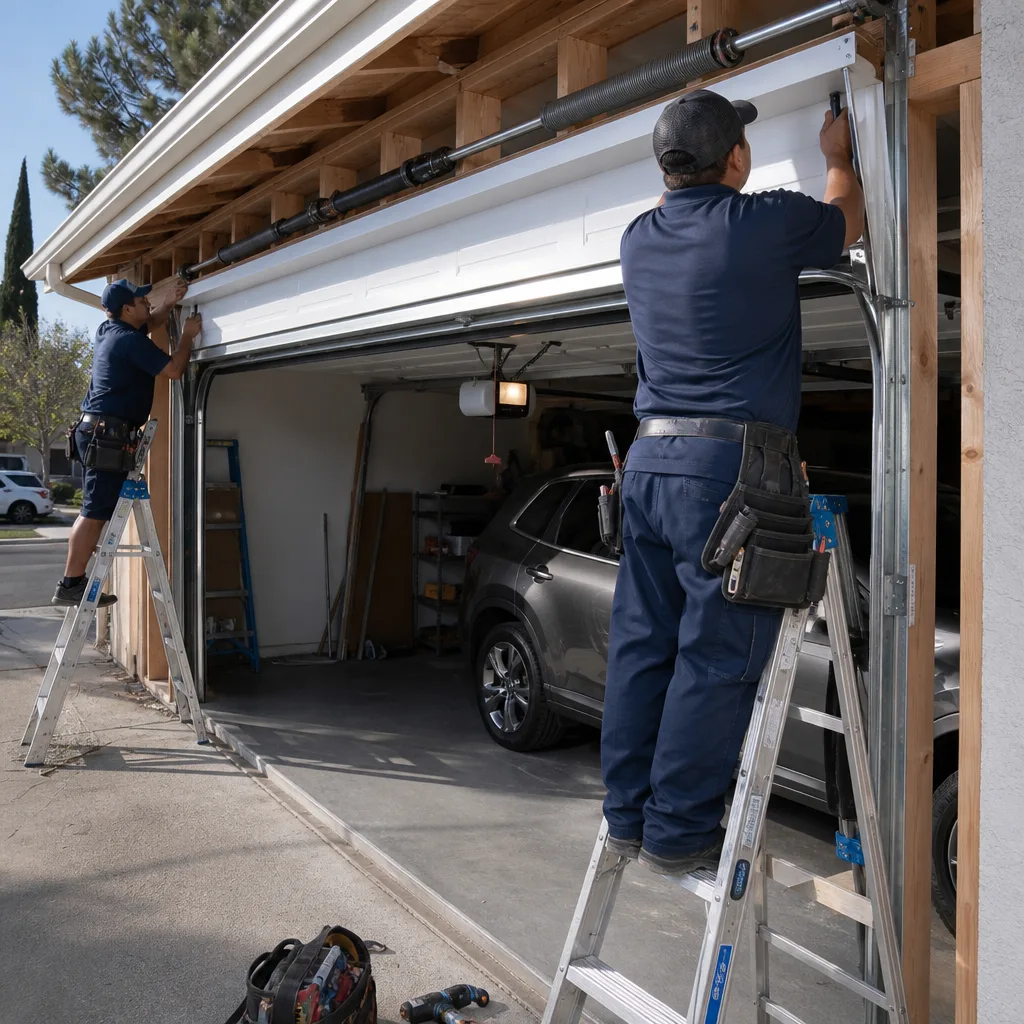
A pair of torsion springs in Los Angeles costs $180 to $340 installed in 2026, including labor and the trip charge. A single spring runs $90 to $250, but reputable technicians replace both at once. Call (213) 348-6550 for a written price on your specific door.
A full garage door replacement in Los Angeles costs $1,600 to $4,200 installed depending on material, insulation level, window count, and haul-away fees. An uninsulated steel door starts around $1,600. A custom wood composite door can exceed $4,200. Estimates are free.
Most same-size door swaps in Los Angeles do not require an LADBS permit, but the permit costs $200-$600 when the job changes the fire rating, the header, or the opening size. Get the permit answer in writing on your scope before signing anything.
The labor line, not the part, explains most quote gaps in Los Angeles. A licensed C-61 contractor paying workers’ comp and state taxes will quote 30-40% higher on labor than an unlicensed operator. Normalize the line items and check the license before comparing dollars.
A garage door opener installed in Los Angeles costs $600 to $1,400 depending on drive type: chain drive at the low end, belt drive in the middle, and wall-mount jackshaft at the high end. The LiftMaster 8500W typically lands around $1,200-$1,400 installed. Call (213) 348-6550 for an exact quote.
It shouldn’t if you’re working with a fixed-price contractor. At Servo, the written price is the price, per Clause 1 of The Haven Standard. If hidden damage changes the scope, that’s a new written approval, not a surprise invoice. Ask for this in writing from any contractor you hire in Los Angeles.
The Bottom Line
Los Angeles garage door pricing is not a mystery. It’s a set of line items that either get shown or hidden. The licensed labor premium is real and worth paying. The parts markup is standard and worth understanding. The permit question is answerable in one sentence and worth asking every time. When you compare quotes, put them in the same categories first. When you hire, get the price in writing before the work starts. And when a technician tells you something is broken, ask to see the photograph. That’s the standard the Los Angeles market should meet.
Servo Garage Doors Los Angeles home
Written by Marcus Deller, Owner at Servo Garage Doors Los Angeles, serving Los Angeles since 2015.