
Last updated September 19, 2026
Full 25-point door and opener safety check with every visit - springs, cables, rollers, tracks, and your LiftMaster or Chamberlain opener included
You get a price before we start. It does not change when the truck arrives.
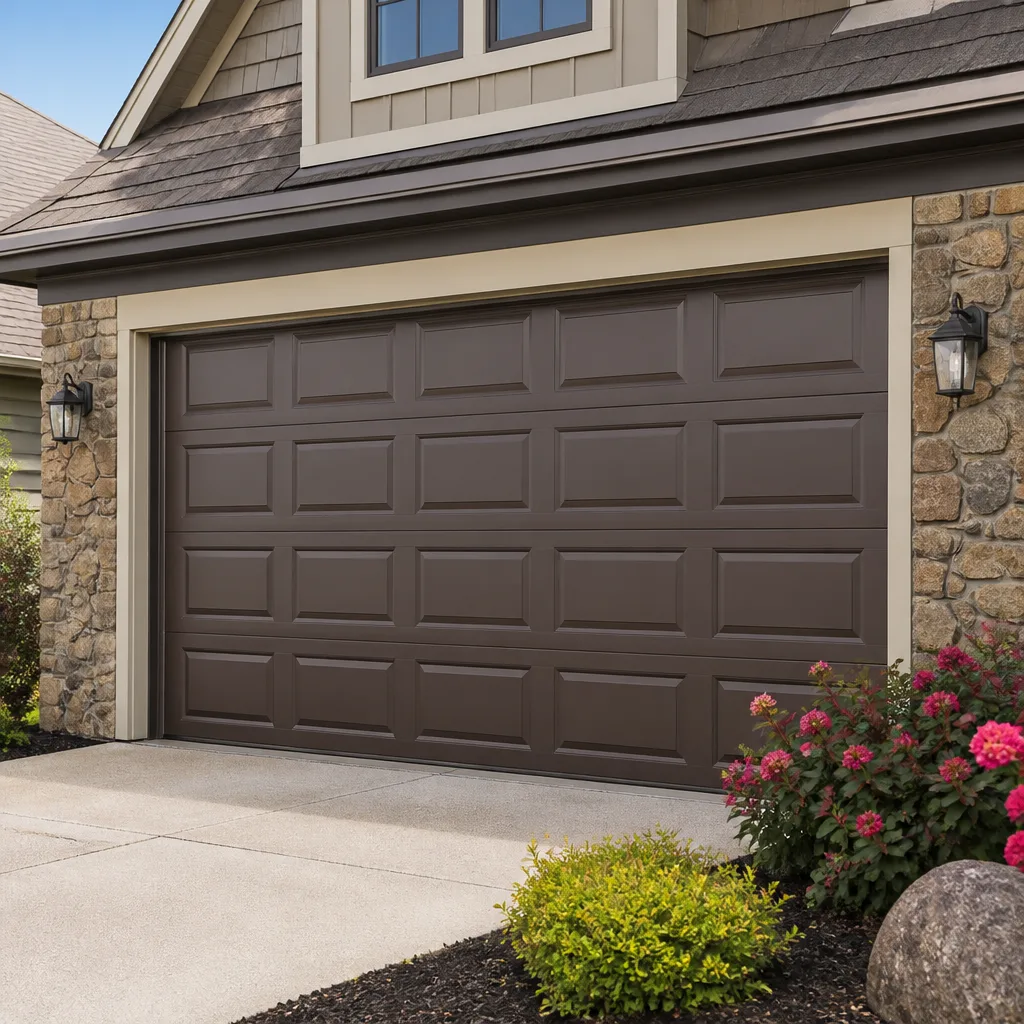
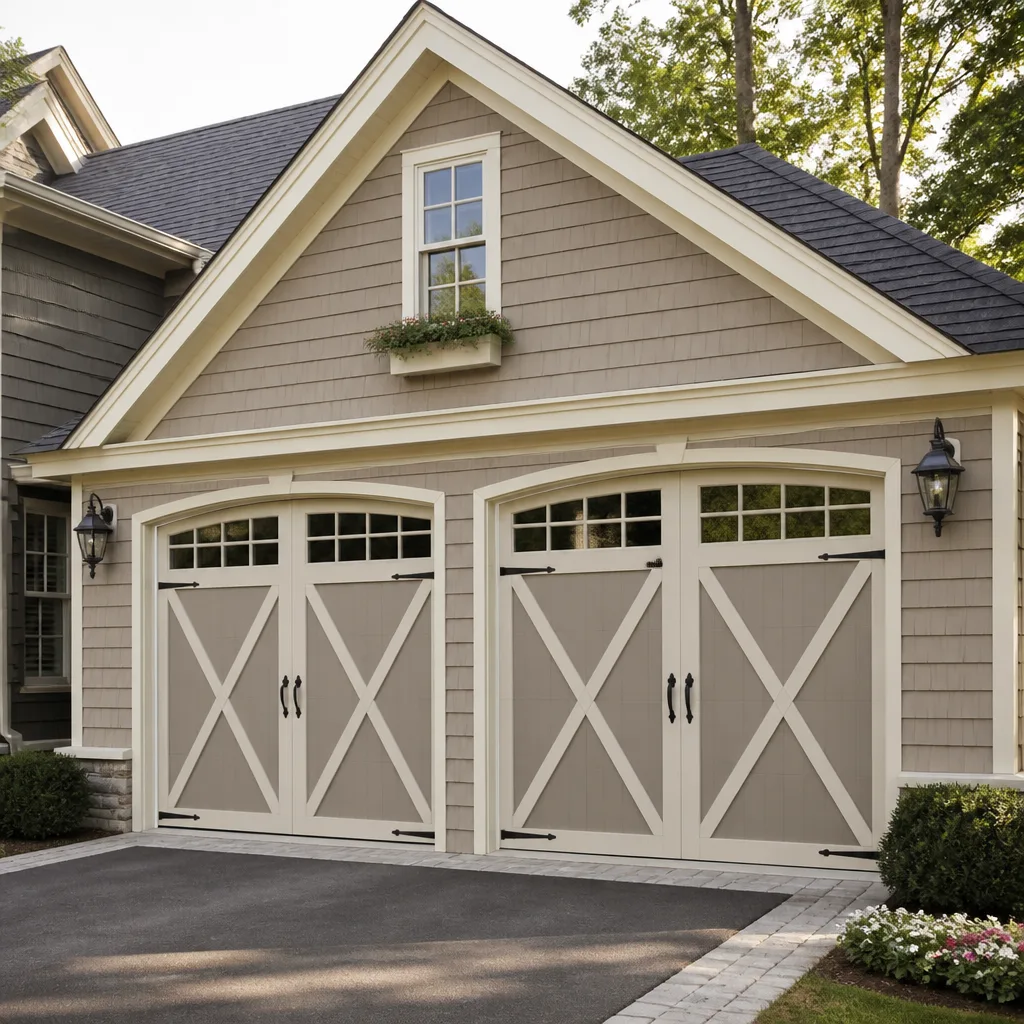
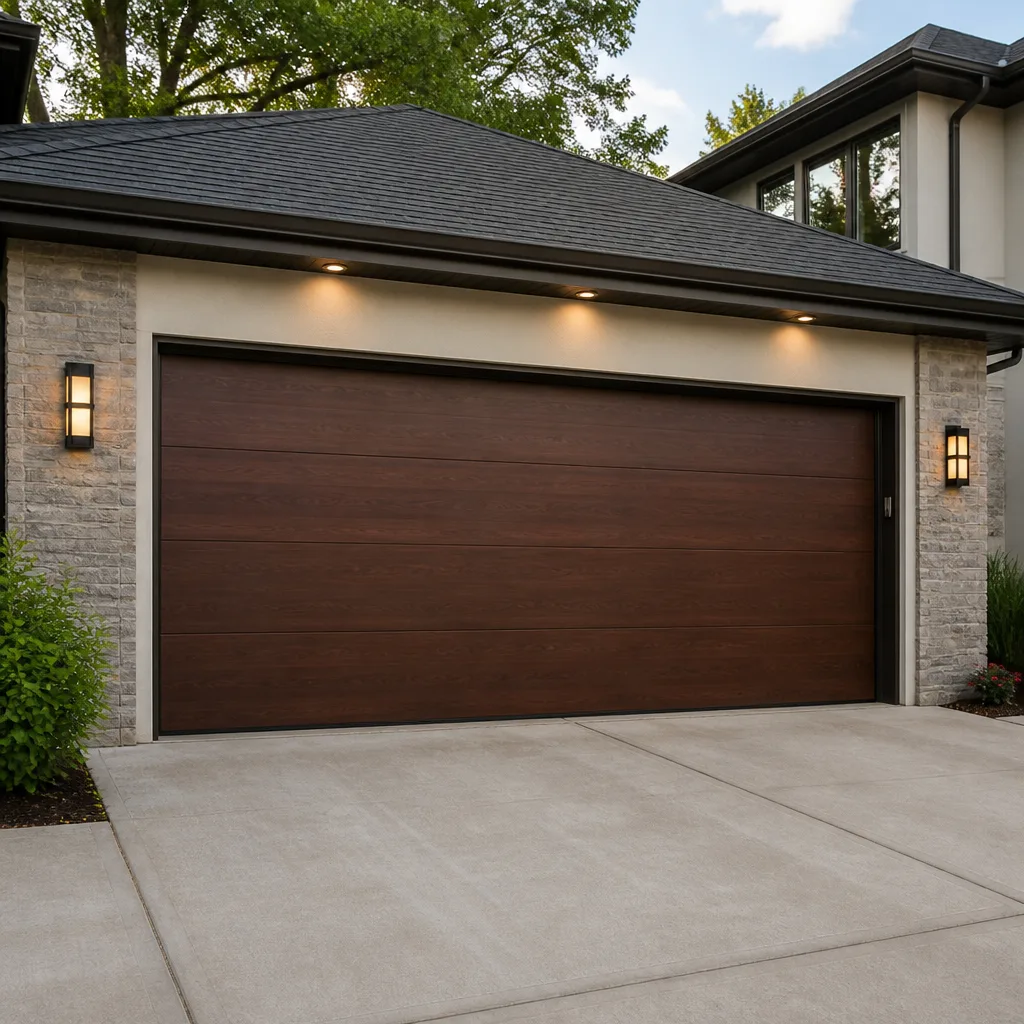
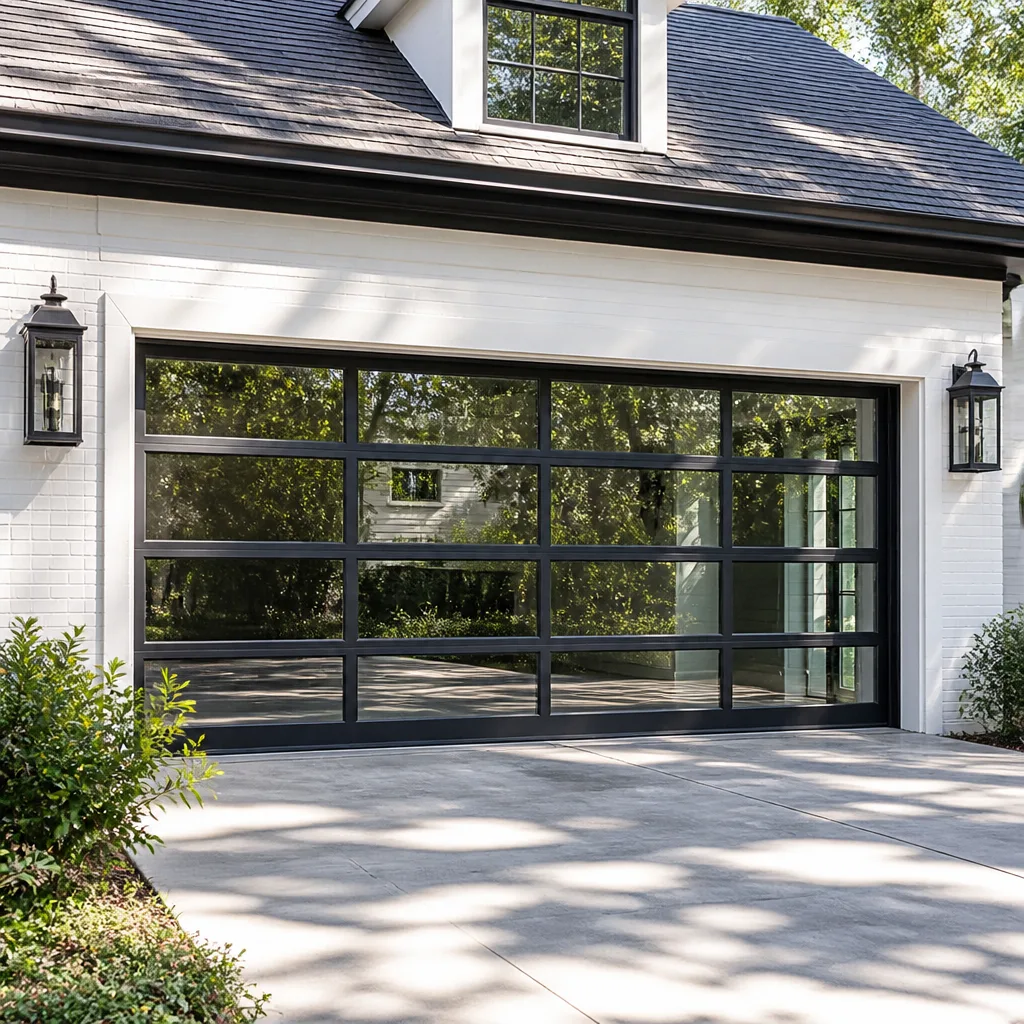
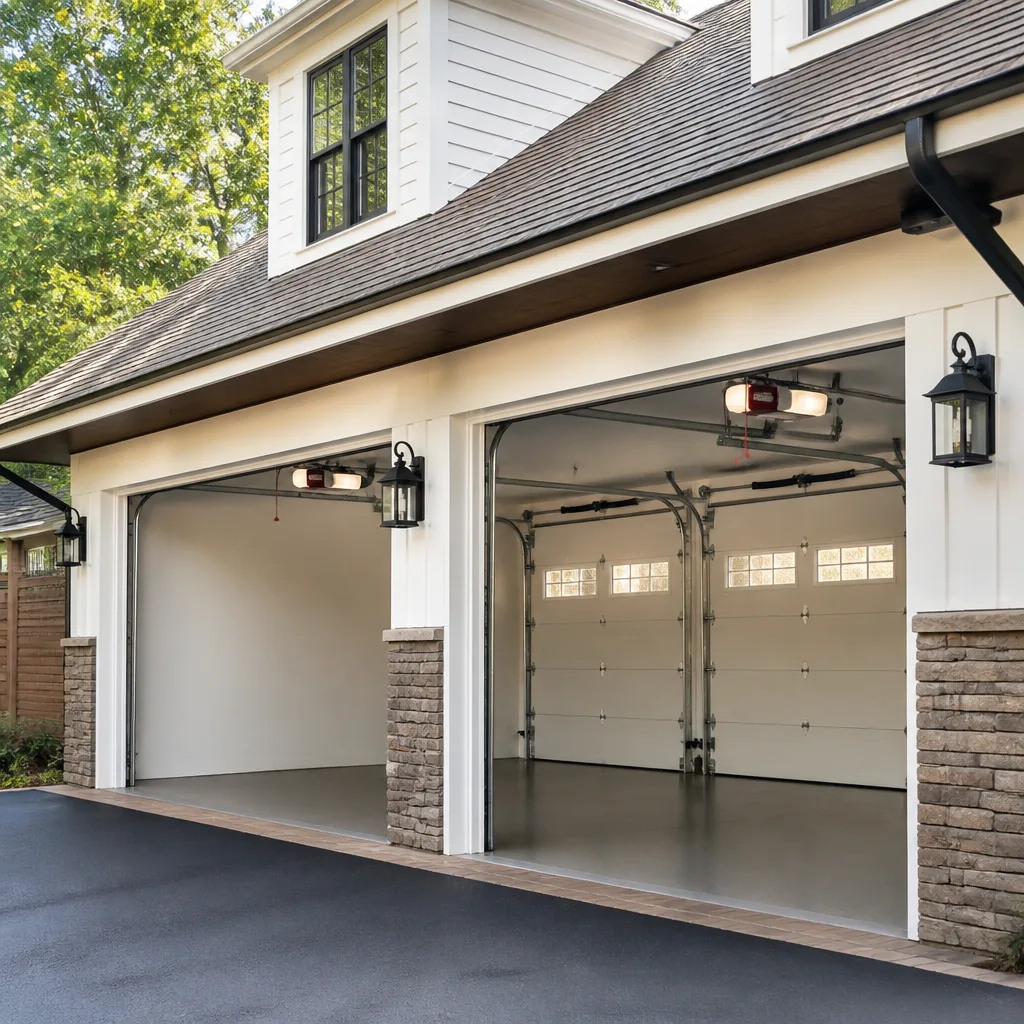
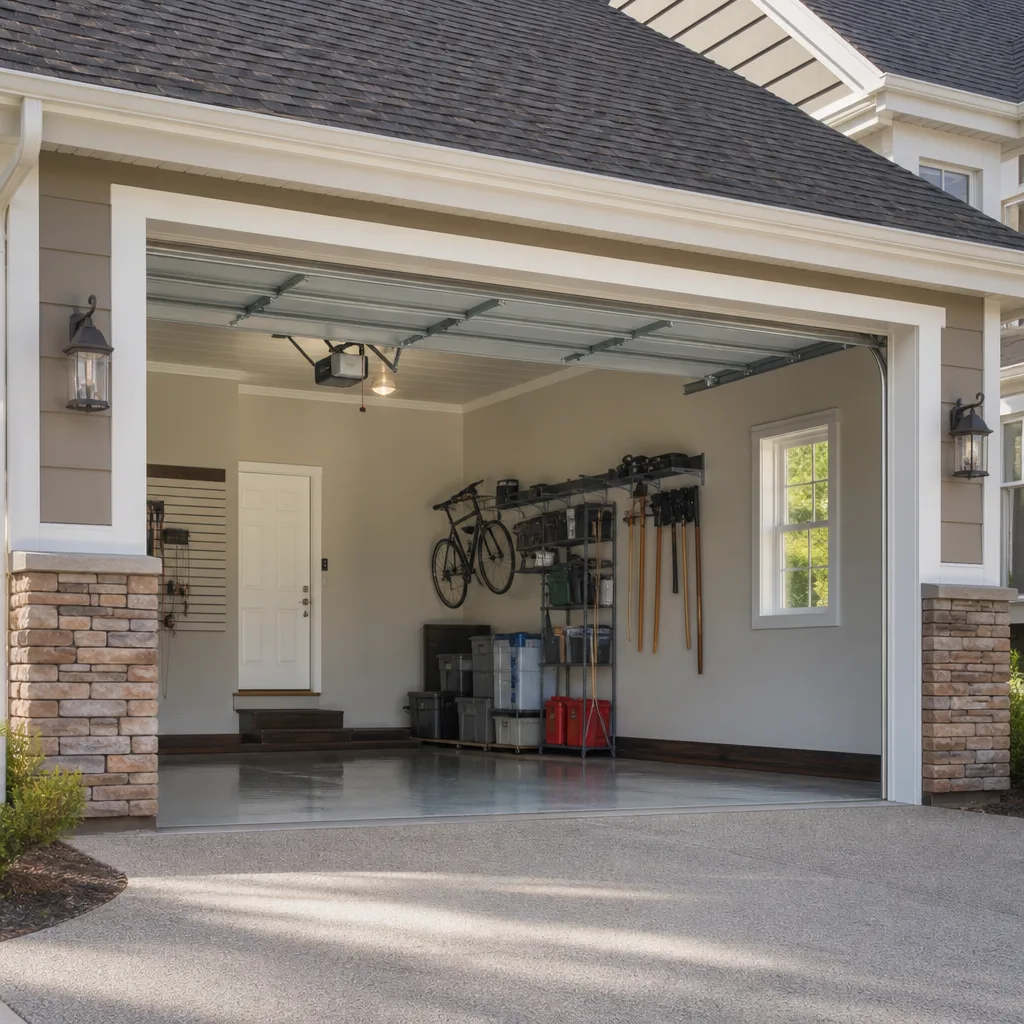
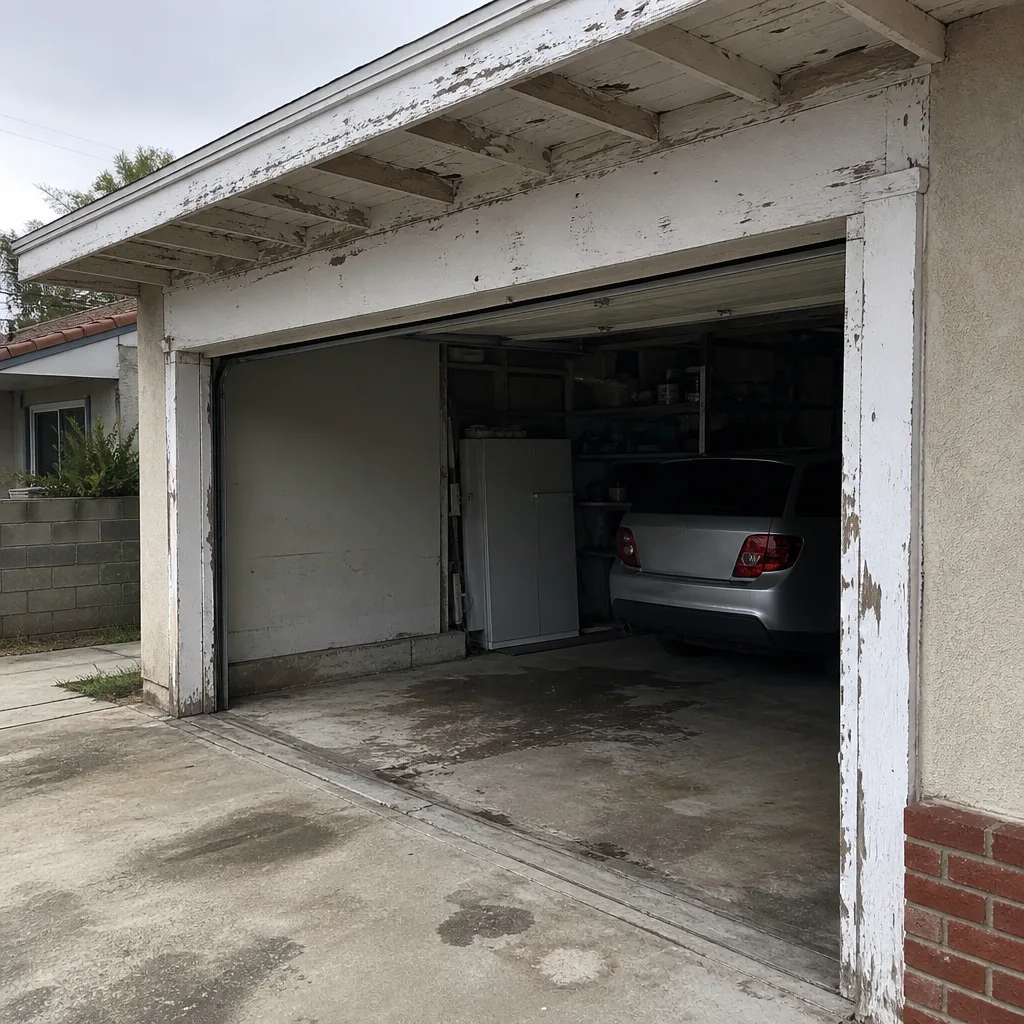 Before
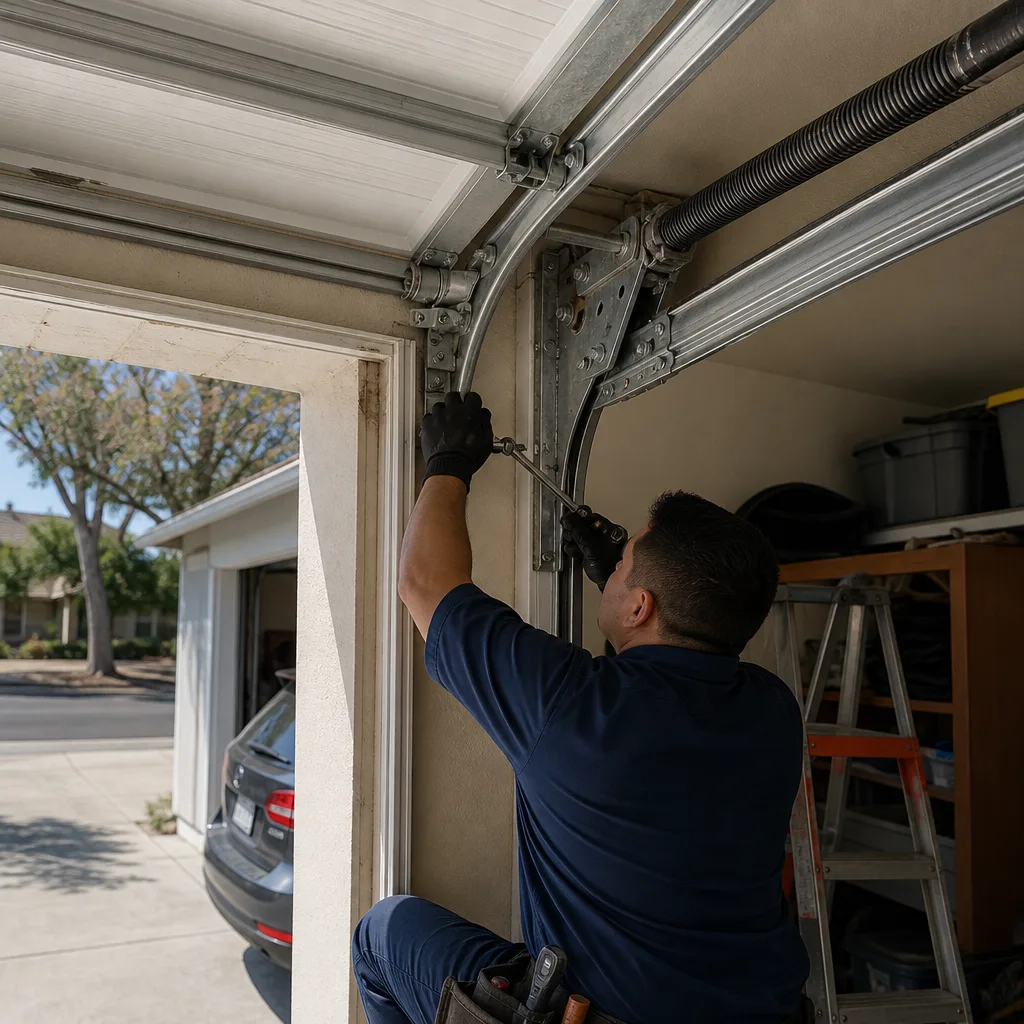 After
After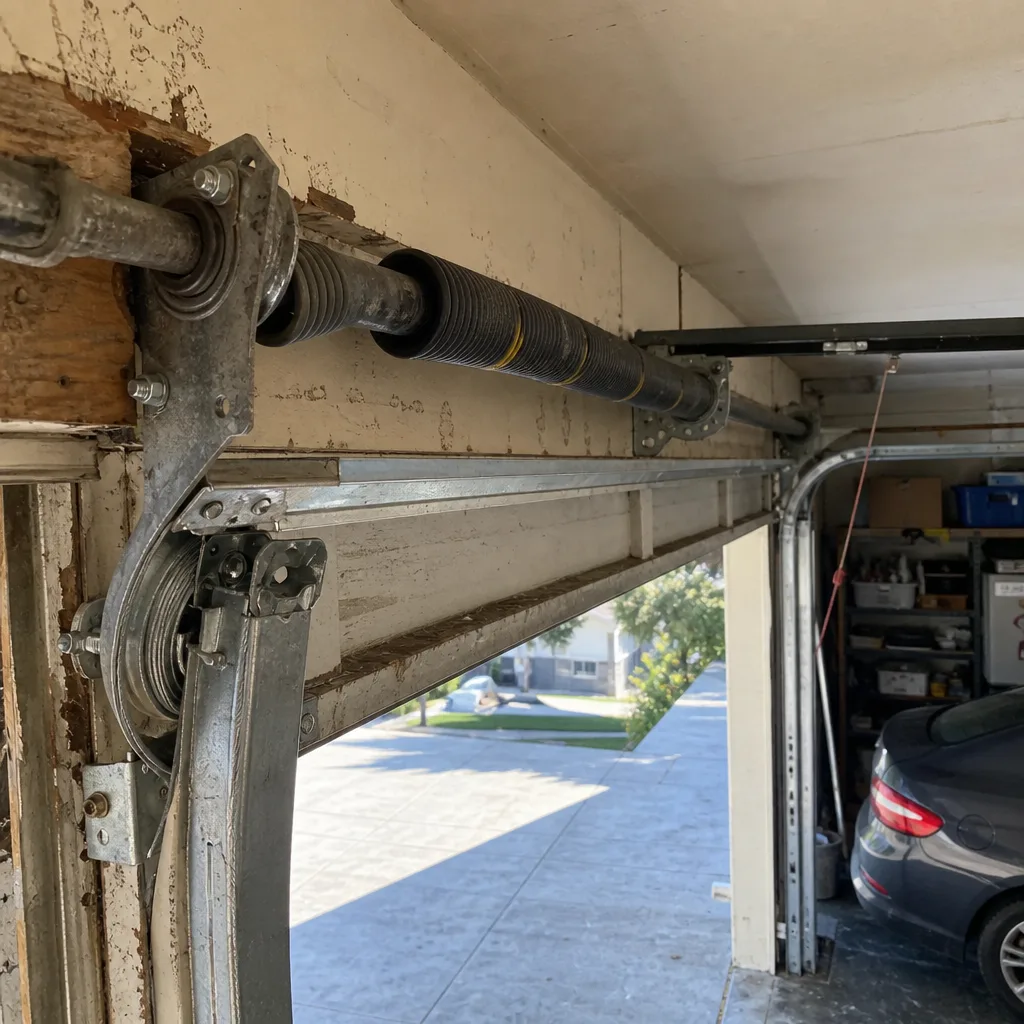 Before
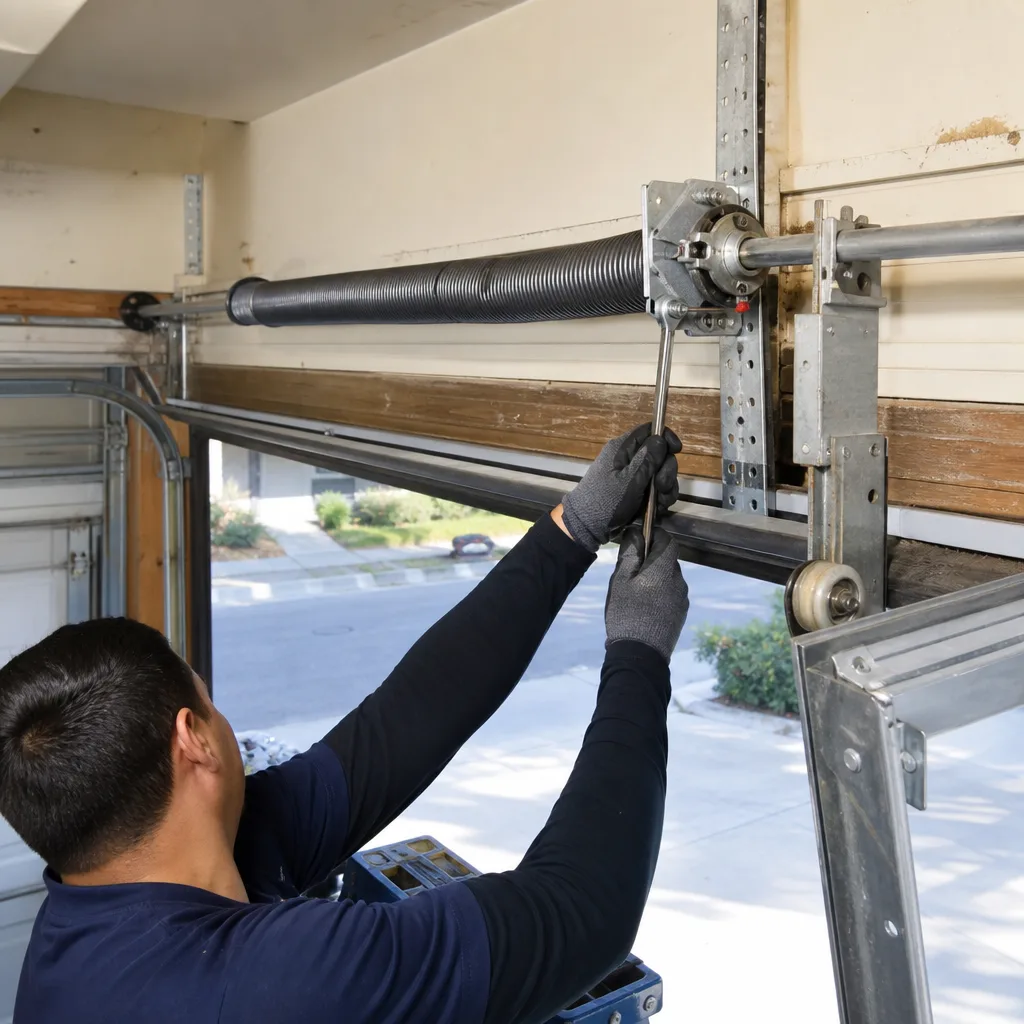 After
After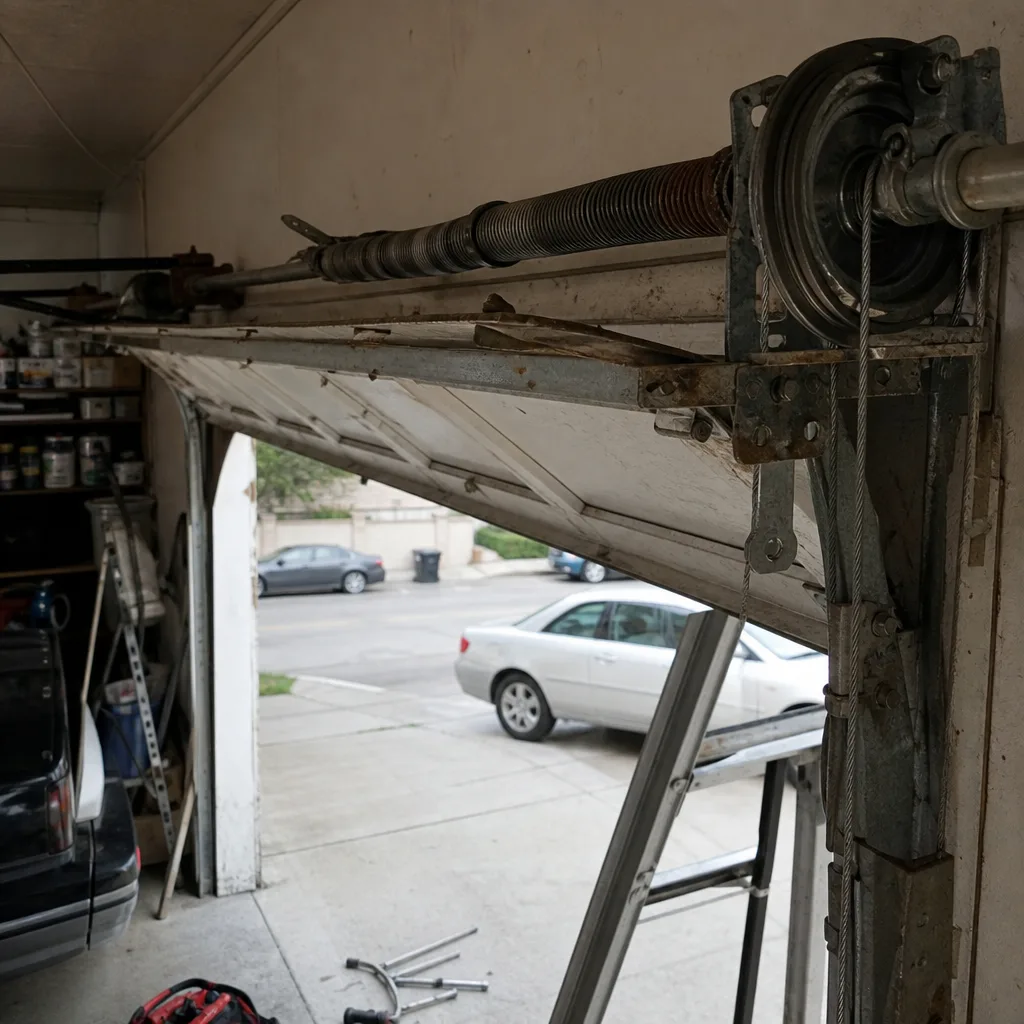 Before
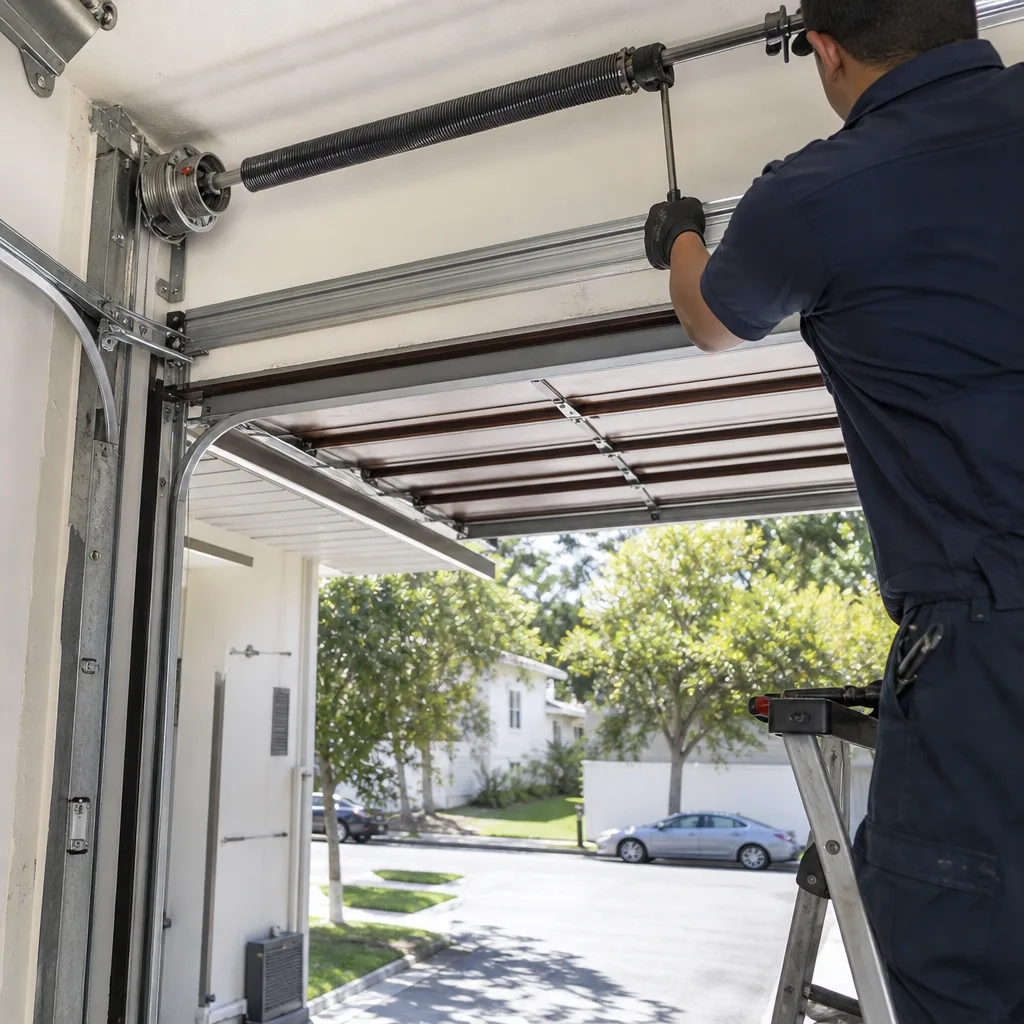 After
AfterHow to Hire a Garage Door Contractor in Los Angeles: A Step-by-Step Guide
A garage door weighs between 130 and 400 pounds, and the torsion spring that counterbalances it is wound under enough tension to remove fingers or fracture a forearm if mishandled. Yet in Los Angeles County, the barrier to calling yourself a garage door contractor is thinner than most homeowners assume: paint a name on a truck, print an invoice, and you’re in business until someone checks. This guide walks through the exact license class to verify, the documents a legitimate contractor produces before touching hardware, and the verbal phrases that signal an upsell in progress-drawing from our DIY vs Professional Garage Door: The Los Angeles Homeowner’s Decision Guide. By the end, you’ll know how to screen a Los Angeles garage door contractor before a single tool leaves the truck.
Quick Answer
Hiring a garage door contractor in Los Angeles comes down to five verifiable steps: confirm the C-61/D28 license at cslb.ca.gov, require a written flat price with line-item scope before any work starts, verify general liability and workers’ comp insurance with you named as certificate holder, ask whether the technician is the license holder or a covered employee, and demand a documented photo record of what was found and what was done. A contractor who can produce all five on the first call is in the top percentile of the Los Angeles market. Those who defer any one of them to “when the tech arrives” are the ones most likely to rewrite the price after the door is in pieces.
Table of Contents
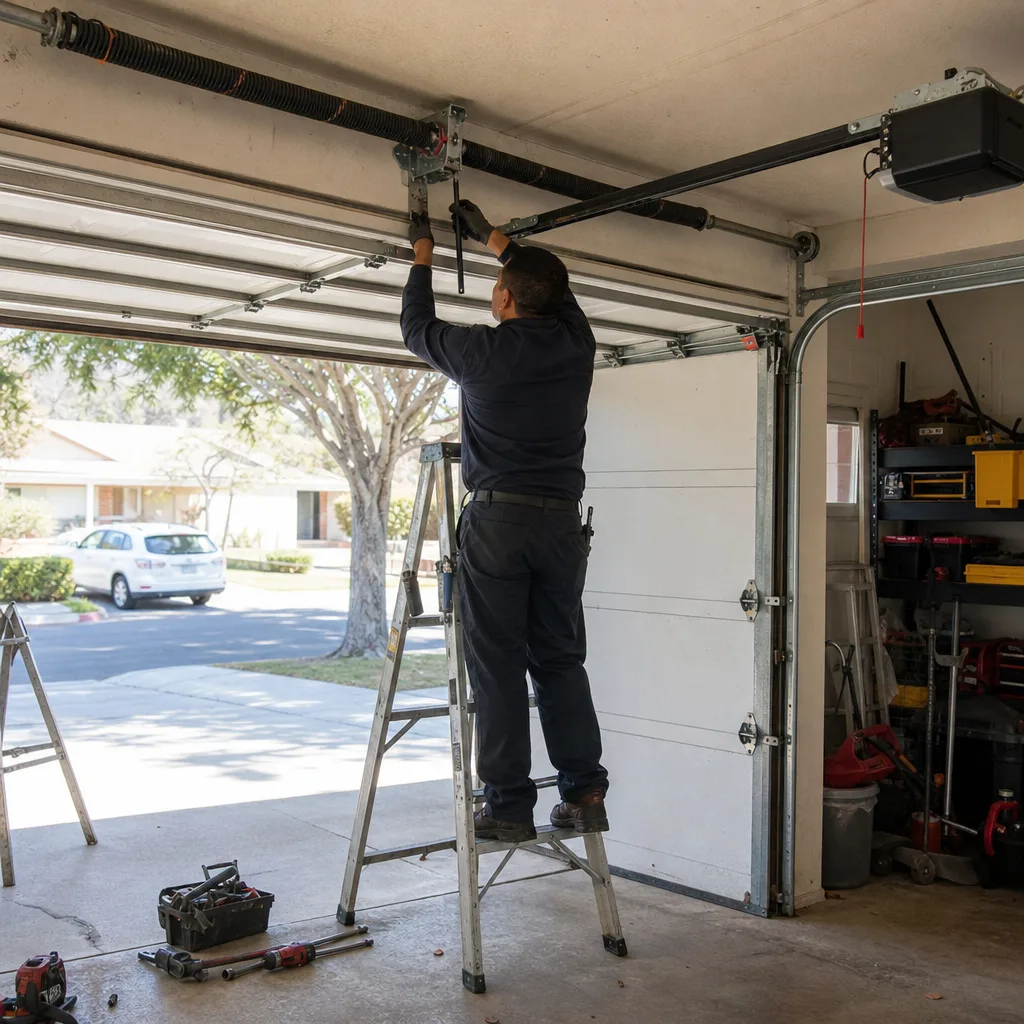
- Step 1: Verify the C-61/D28 License Before You Dial
- Step 2: What a Written-Price-First Policy Looks Like in Practice
- Step 3: Reading a Garage Door Quote Line by Line
- Step 4: Three Phrases That Signal an Upsell in Progress
- Step 5: Insurance Verification Specific to California
- Step 6: Questions to Ask Before the Technician Arrives
- Step 7: What the Work Order Should Include When They Leave
BeforeAfterStep 1: Verify the C-61/D28 License Before You Dial
A CSLB license lookup takes 45 seconds at contractors.cslb.ca.gov. In a 2023 California CSLB sting operation targeting home service industries in LA County, unlicensed operators were found working under borrowed license numbers. The contractor who answers your call and the license number on their invoice are not always the same entity.
In California, garage door installation and repair falls under the C-61/D28 classification, a limited specialty license administered by the Contractors State License Board. This is not a general contracting license. It’s specific to “door and gate services,” and it’s what authorizes a contractor to install, repair, or modify garage doors, openers, and their related hardware in Los Angeles.
Here is exactly how to run the check:
- Go to contractors.cslb.ca.gov and enter the license number the contractor gave you, or search by business name.
- Confirm the classification reads “C-61/D28” for garage door work. A C-10 electrical or B general building license does not cover garage door installation on its own.
- Check the status. It must read “Active.” Suspended, expired, or revoked licenses mean the contractor cannot legally work in Los Angeles.
- Match the business name on the license to the name on the quote. If you called “Dave’s Garage Doors” and the license belongs to “Hernandez Construction Group Inc.,” that’s a borrowed license number scenario.
- Note the license issue date. A license issued less than a year ago isn’t automatically disqualifying, but combined with no verifiable Los Angeles work history, it raises the question of who actually shows up.
One more verification step most homeowners skip: ask whether the technician who arrives is the license holder, a listed qualifier, or a registered employee working under the license. In Los Angeles, a company can hold a valid C-61/D28 while sending an unregistered subcontractor to your door. When our technicians arrive at a home in Los Angeles, their name matches the work order, and the license number is on that document, not buried in a website footer.
Step 2: What a Written-Price-First Policy Looks Like in Practice
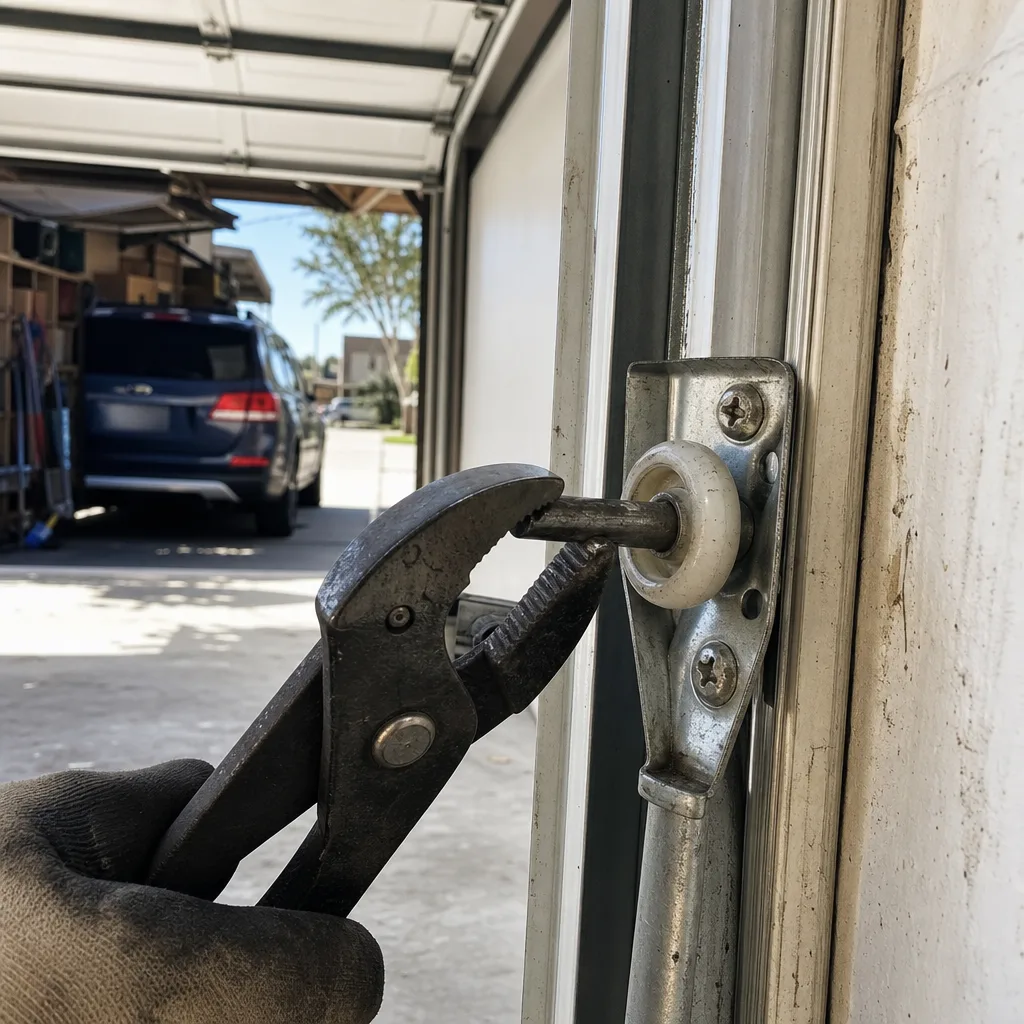
At Servo Garage Doors Los Angeles, the founding rule from 2015 was simple: a customer photographs the failed component before anyone quotes a replacement. That rule is now codified as Clause 4 of The Haven Standard, and it exists because the garage door industry in Los Angeles has an unusually high proportion of bait-and-switch operators. The work is urgent. The parts are opaque. Most homeowners in Los Angeles can’t identify a torsion spring by name, let alone price one. That knowledge gap is where the bait lives.
A written-price-first policy means you get these documents before the technician touches anything:
- A written price. Not a verbal estimate. Not a “range.” A flat, written number in dollars.
- A written scope of work. This itemizes what will be done: replace one torsion spring, replace both springs, swap the logic board, adjust the limit switches, whatever the job is. If the scope is a single sentence, it’s not a scope.
- A failed-part photograph. For any replacement, you should see the broken spring, the stripped gear, the burned logic board. Clause 4 is why our technicians photograph the failed part before quoting a replacement. If a contractor quotes you a replacement without showing you the failed component, ask them what exactly failed.
- A warranty in writing. Who covers the part, who covers the labor, and for how long. A verbal “we’ll take care of you” is not a warranty. Our Garage Door Repair in Los Angeles work closes with the warranty on the work order, alongside the photo record.
What this looks like in practice: a technician arrives at a home in Silver Lake, diagnoses a broken torsion spring on the right side, and before touching a wrench, produces a written price for the spring, the labor, and the balancing. You agree. The work happens. If the left spring fails two months later, the question is whether the first contractor checked and documented its condition on the original visit. That’s the difference between a paper trail and a handshake. The Haven Standard exists because a handshake doesn’t hold up in a Los Angeles small claims court.
Step 3: Reading a Garage Door Quote Line by Line
A lump-sum quote is a structural problem, not a style preference. When a Los Angeles contractor hands you a single number like “$850 to fix the door,” you have no way to evaluate whether that number is fair, what parts are being used, or what happens when the scope shifts mid-job. Here is how to read a legitimate garage door quote line by line.
Line 1: Part number and brand. The quote should name the specific part: “Torsion spring, 0.225-inch wire diameter, 2-inch inside diameter, Clopay 26-inch length” or “LiftMaster logic board, model 41A5021-1H.” A quote that says “spring” or “opener brain” without a part number means you’re being quoted for whatever the contractor decides to install, not for what your door needs. We service all eight major brands including LiftMaster, Chamberlain, Genie, and Raynor, and the brand goes on the quote because the part number goes on the quote.
Line 2: Labor as its own line item. When labor is hidden inside a lump sum, you can’t compare it against the part cost. A torsion spring might cost $80 wholesale and $220 as a quoted part. Labor might be $180. If the quote reads “$480 total” with no breakdown, you don’t know whether you’re paying $220 for the spring and $260 for labor, or $350 for a spring that costs $80. Line-item separation is how you audit the price.
Line 3: Disposal and trip fees, if any. Some Los Angeles contractors add a “service call fee” that’s waived if you approve the work, plus a “disposal fee” for the old door. Neither of these is illegitimate, but both must appear on the written quote before work starts. A fee that appears for the first time on the final invoice is a fee that didn’t exist when you agreed to the job.
Line 4: The written scope, not just the price. The scope answers “what am I actually paying for?” A quote that says “Replace spring, $420” leaves out whether the technician will balance the door, lubricate the rollers, test the opener’s force settings, and check the cables. A proper scope in Los Angeles includes those follow-on steps because a new spring on a door with worn cables is a future callback. For a full breakdown of year-round maintenance, see our Seasonal Garage Door Care for Los Angeles: Year-Round Homeowner’s Guide.
If any of these four is missing, the quote is a tool for the contractor, not a protection for you. Walk away or ask for the breakdown. A contractor who resists a line-item breakdown is telling you how the invoice will work later.
Step 4: Three Phrases That Signal an Upsell in Progress
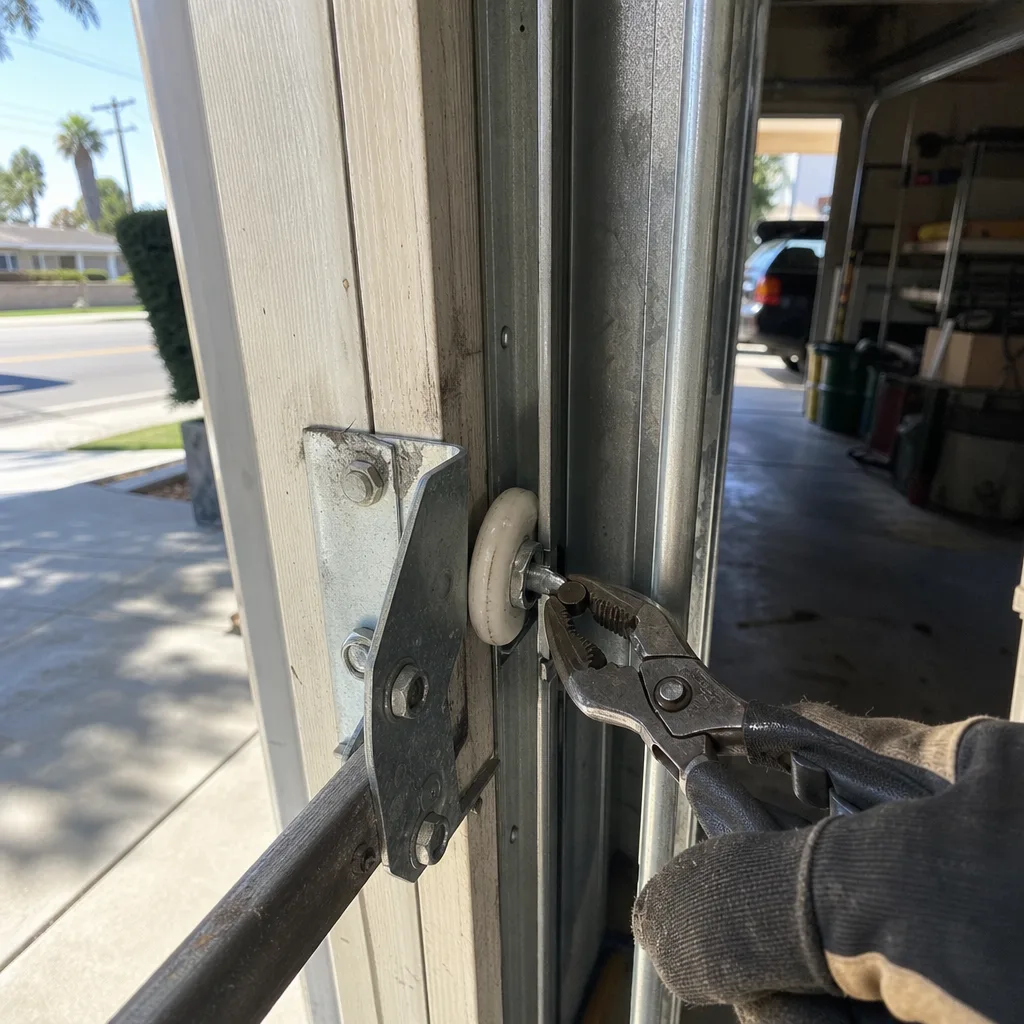
Los Angeles garage door contractors don’t announce an upsell. They frame it as concern. After 18,000+ garage doors made right since 2015, we can tell you the exact sentences that precede a price doubling. Here are the three verbal phrases that signal an upsell in progress.
“While we’re in there…” This is the most common upsell opener in the Los Angeles market. What follows is typically a recommendation to replace a second component “since the door is already apart.” Sometimes that recommendation is legitimate: two torsion springs on a double door share wear, and replacing only the broken one leaves a tired spring with a different tension curve. But the phrase is also used to bolt $300 onto a $200 job. The test is documentation: ask the technician to photograph the second component and show you the wear. If the evidence doesn’t come out of the camera roll, the recommendation isn’t evidence-based.
“Original parts are hard to find.” For doors manufactured in the 1990s or earlier, this can be true. For doors installed after 2010 in Los Angeles, it’s almost never true. Clopay, Amarr, and Wayne Dalton maintain parts inventories for their current and recent product lines. LiftMaster, Chamberlain, and Genie openers share common logic boards, trolley carriages, and limit switches. If a Los Angeles contractor tells you the “original part” is unavailable and you need a full opener replacement or a full door replacement, ask them to show you the discontinued notice or the distributor’s out-of-stock confirmation. In our experience, the part is usually on a shelf in a warehouse in Vernon, not discontinued.
“Your whole system is compromised.” This is the phrase used to convert a $150 repair into a $1,800 replacement. A garage door is a system: the spring balances the door, the cables transfer that balance, the opener moves the balanced door, and the track guides it. One failed component does not compromise the whole system. A spring failure doesn’t mean the opener is shot. A opener logic board failure doesn’t mean the door is unsafe. If a technician uses the word “compromised” without showing you photographs of multiple failed components, the word is being used to expand the scope, not describe the condition.
Step 5: Insurance Verification Specific to California
California requires two separate coverage types for any contractor working on your property, and a garage door contractor in Los Angeles is no exception. Here is how to verify both.
General liability insurance. This covers damage to your property caused by the contractor. Ask the contractor for a Certificate of Insurance (COI) and look for two things: the policy number and the effective dates. A policy that expired 60 days ago means the certificate is worthless. The certificate should name the garage door company as the insured and should list you, the homeowner, as the certificate holder. If the contractor’s broker names you as certificate holder, you receive automatic notice if the policy lapses or cancels.
Workers’ compensation insurance. In California, workers’ comp is mandatory for any company with employees. If a technician is injured on your Los Angeles property and the contractor has no workers’ comp, the claim can fall to your homeowner’s insurance. Ask to see the workers’ comp policy number. The CSLB verifies this at license issuance and renewal, but a policy can lapse mid-term. A current COI is the only proof that matters.
What we tell every Los Angeles homeowner: the certificate of insurance takes one phone call or email to produce. A contractor who stalls on the COI for days is a contractor whose policy has lapsed or whose broker isn’t returning calls. Either one is a reason to call the next name on the list. We’re independently owned and operated under The Haven Standard, which means our license and insurance are held locally, not routed through a corporate office in another state.
Step 6: Questions to Ask Before the Technician Arrives
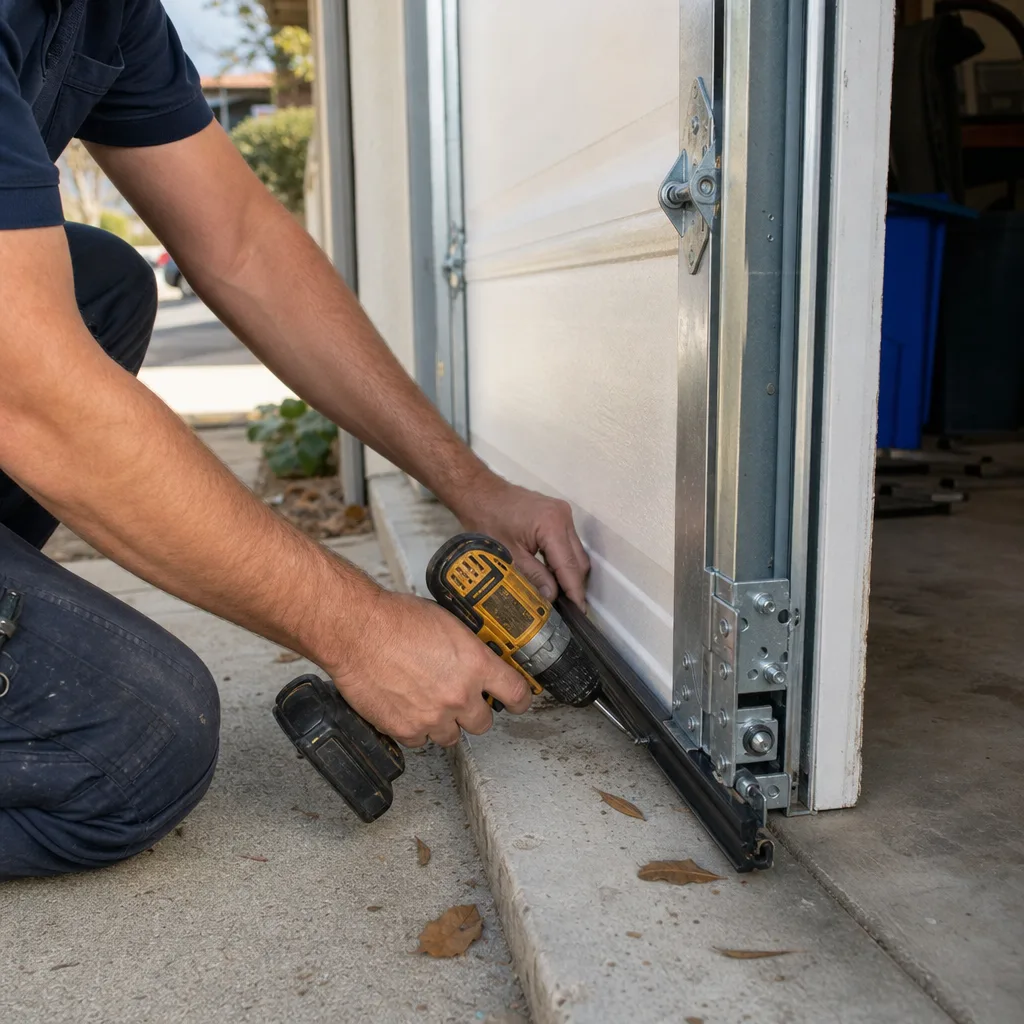
You shouldn’t need to interview a garage door contractor for 45 minutes. You need six answers, and a legitimate Los Angeles contractor will produce all six in under ten minutes on the phone. Here is the exact list we recommend:
- “What’s your CSLB license number?” Then run it at cslb.ca.gov before you hang up. The 45 seconds it takes is the highest-return time you’ll invest in this hire.
- “Will the price be written and itemized before any work starts?” If the answer is “we’ll see when we get there,” you’re hiring a contractor whose final invoice writes itself. Clause 1 of The Haven Standard is a flat, written price and written scope before any work begins, on every job, no exceptions.
- “Do I get a photo record of what failed and what was done?” This is the question that separates the evidence-first operators from the trust-me operators. We photograph the failed component before quoting a replacement, and the customer leaves with that photo record on every visit.
- “Are your technicians employees or subcontractors?” Subcontractors can be covered by a contractor’s license, but the insurance chain gets murkier. Ask directly. The answer tells you who’s liable if something goes wrong.
- “Who’s coming to my door?” Background-checked, uniformed technicians arrive on every job with their name on the work order. A contractor who can’t tell you who’s coming is sending whoever answered the dispatch call.
- “What’s your warranty in writing?” Ours is the 365-Day Done Right Promise: if a repair isn’t right, we make it right. Backed by The Haven Standard and a terms page, not a handshake.
For Garage Door Installation in Los Angeles specifically, add one more: “Will you provide a written measure and a written price before I commit?” Installation work in Los Angeles is measured, ordered, and scheduled. Any installer promising same-day installation on a new door is selling speed, not process.
Step 7: What the Work Order Should Include When They Leave
The job isn’t done when the door opens and closes. The job is done when you hold a work order that documents what just happened on your Los Angeles property. Here is what that document should include:
- The part number replaced. Not “torsion spring.” The actual part: “Torsion spring, 0.225-inch wire diameter, 2-inch inside diameter, 28-inch length, Raynor part #RS225228.” The part number is how you verify compatibility later and how you hold the warranty accountable.
- The labor performed. “Removed failed spring, installed new spring, balanced door, tested opener force settings, lubricated rollers and hinges.” If the labor line is blank, the work order is a receipt, not a record.
- The photo record. At least two photos: the failed component before removal and the new component after install. This is the documented photo record we include on every visit, tracing back to the founding rule Servo was built on in 2015.
- The warranty terms. Written out. Part warranty, labor warranty, and the duration of each. If the warranty references a “terms page,” the contractor should hand you a copy or point you to the URL.
- The final price. Identical to the written price you agreed to before work started. Not $40 more. Not $80 more. The same number. If the final invoice differs from the written quote, the contractor owes you a written explanation of what changed and why you weren’t told before it changed.
We’d add one more line we consider non-negotiable in Los Angeles: the technician’s name and the time they arrived and left. This protects you if a follow-up issue arises and protects the contractor if a claim is made about work that wasn’t performed. The name on the work order is the name of the person who stood in your driveway.
Common Mistakes to Avoid
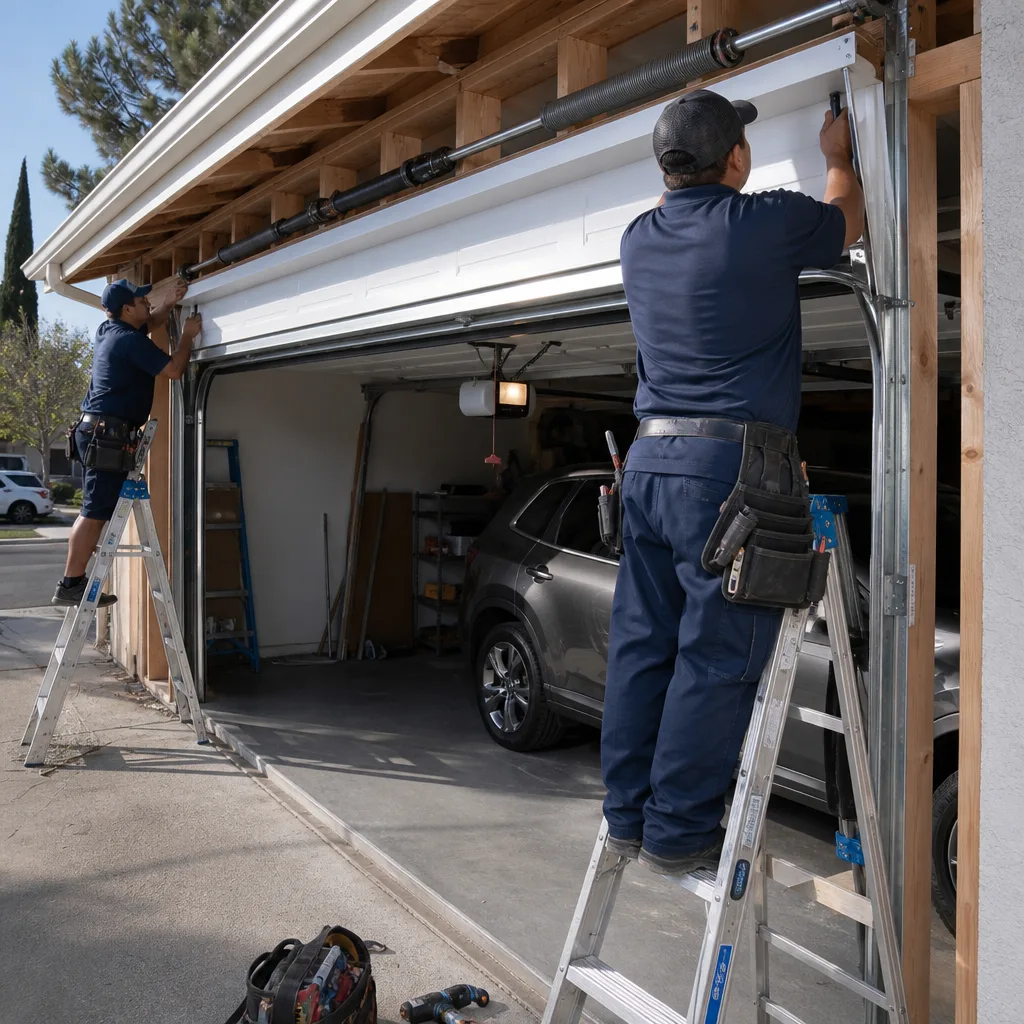
- Skipping the CSLB lookup because the website “looks professional.” A professional website costs $500 and an afternoon. A C-61/D28 license costs years of verified experience. One of these is a stronger signal than the other in Los Angeles.
- Accepting a verbal quote. A verbal quote is unfalsifiable. When the invoice arrives at $200 over what you “remember,” there’s no document to consult. Written or nothing.
- Paying in full before the work is done. A deposit on an installation job is standard in Los Angeles. Payment in full before the door is installed and tested is not.
- Hiring the first company that answers the phone during an emergency. Emergency garage door calls are exactly when the bait-and-switch operators in Los Angeles do their best work, because you’re not comparison shopping when your car is trapped inside the garage. Take two minutes to run the license check even at 2 a.m. Live phone coverage is available 24 hours a day, 7 days a week, including holidays, and emergency calls are answered by a real person, not a recording.
- Not asking for the certificate of insurance. The COI takes one email to produce. If you don’t ask, you won’t know until a claim is denied.
- Approving a lump-sum quote without a breakdown. See Step 3. If the part number, labor, and scope aren’t separated, you’re signing a blank check with a ceiling.
- Not getting the Free Second Opinion. If you have a written estimate from another Los Angeles company, bring the paperwork. We offer a Free Second Opinion on any competing written estimate with no coupon or code required.
When to Call a Professional
A garage door that’s off its track, a spring that has snapped, a cable that has frayed through, or an opener that has stopped reversing on obstruction are all conditions that need a professional in Los Angeles, usually same-day. These are not weekend projects. A torsion spring under tension stores enough force to break bones, and a door off its track can fall without warning. If your door is making sounds it didn’t make a month ago, call before it fails completely. If it has already failed and you can’t get your car out, call immediately. Our technicians service Garage Door Opener Repair & Installation in Los Angeles with a named technician and an on-the-way text, not a four-hour callback window. Servo Garage Doors Los Angeles offers free estimates in Los Angeles; call (213) 348-6550.
Frequently Asked Questions
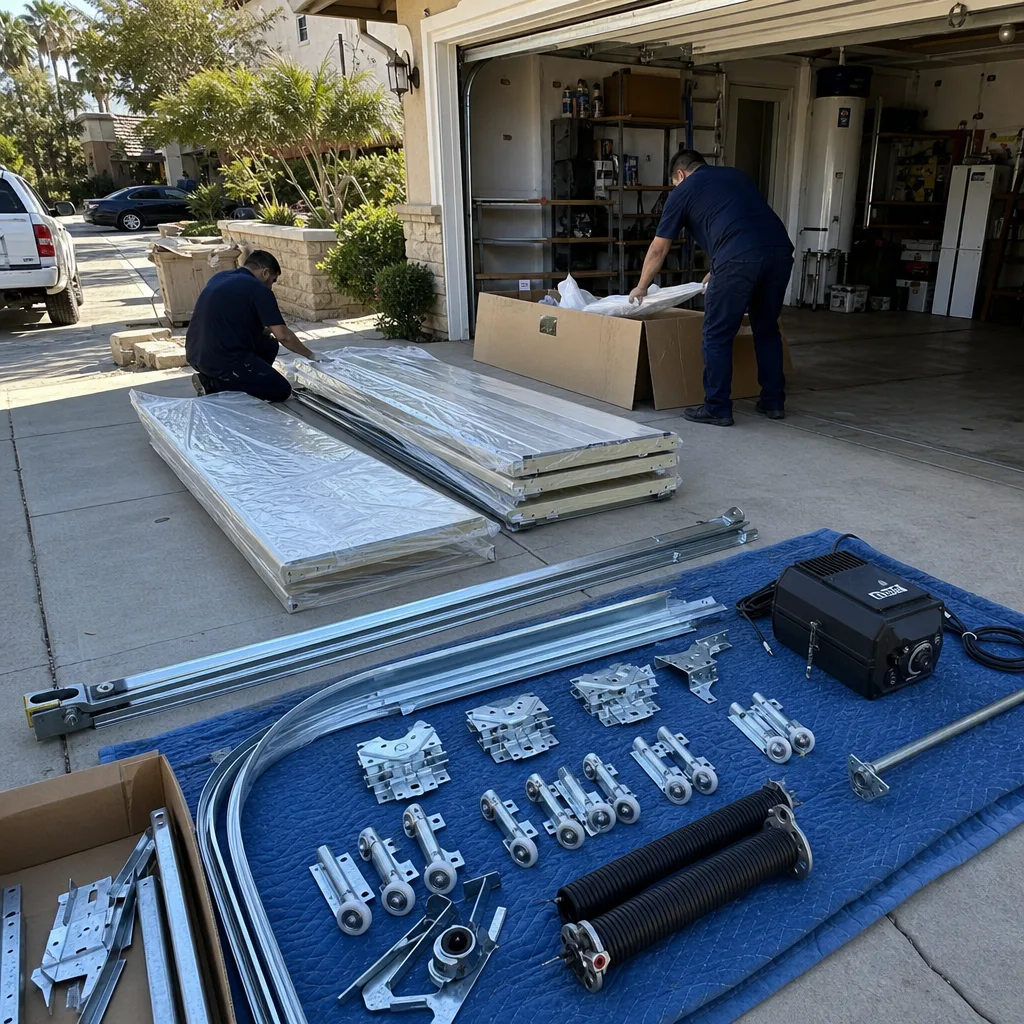
Garage door installation and repair in Los Angeles requires a C-61/D28 license issued by the California Contractors State License Board. The classification is specific to door and gate services, and a general building (B) or electrical (C-10) license does not cover garage door work on its own. Run the number at cslb.ca.gov and confirm the classification reads C-61/D28 with Active status before hiring. Call (213) 348-6550 for a free estimate from a licensed Los Angeles garage door contractor.
A typical garage door spring replacement in Los Angeles runs between $280 and $480 including labor, while logic board replacement on a LiftMaster or Chamberlain opener typically lands between $180 and $350, and full door replacement ranges from $1,200 to $4,000 depending on material and insulation. These are written-price figures, not ranges that shift when the technician arrives. Call (213) 348-6550 for an exact written quote; estimates are free.
In California, any job valued at $500 or more including labor and materials requires a CSLB license, and garage door work typically falls under C-61/D28 regardless of price. Hiring an unlicensed operator exposes you to liability if the technician is injured and gives you limited recourse if the work fails. The CSLB runs sting operations in LA County specifically because unlicensed door work is prevalent. Call (213) 348-6550 to reach a licensed Los Angeles garage door contractor with a documented photo record on every visit.
Not if the contractor operates under a written-price-first policy. The price should be quoted in writing, with a written scope, before any work starts. Clause 1 of The Haven Standard is a flat, written price and written scope delivered before any work begins, and the final invoice should match that document exactly. If a Los Angeles contractor tells you the price “depends on what we find,” you’re hiring an open invoice, not a quote. Call (213) 348-6550 for a written price before any work begins.
Our Los Angeles technicians stock the most common torsion spring sizes, cables, rollers, hinges, and LiftMaster, Chamberlain, Genie, and Raynor opener parts on the truck, which allows many repairs to be completed same-day. For uncommon parts or full Garage Door Installation in Los Angeles work, the part is ordered and the installation is scheduled with a written measure and written price first. Call (213) 348-6550 to discuss what your door needs; the estimate is free.
Hang up and call a contractor who will. A written quote with a line-item breakdown is the only document that protects you when the final invoice arrives, and a Los Angeles contractor who resists producing one is telling you how the billing will work later. The Free Second Opinion offer at Servo Garage Doors Los Angeles applies to any written estimate from another company; bring the paperwork and call (213) 348-6550.
Yes, but the terms vary widely. Some Los Angeles contractors offer a 30-day labor warranty and call it coverage. Our 365-Day Done Right Promise means if a repair isn’t right, we make it right, backed by The Haven Standard and a terms page, not a handshake. The warranty should be written on the work order, not delivered verbally. Call (213) 348-6550 to ask about coverage on your specific repair.
The Bottom Line
Hiring a garage door contractor in Los Angeles is a verification exercise, not a trust exercise. The C-61/D28 license at cslb.ca.gov takes 45 seconds to confirm. The written price takes one sentence to request. The photo record takes one sentence to ask for. The insurance certificate takes one email to produce. None of these steps requires expertise in torsion springs or logic boards; they require a willingness to ask for documentation and walk away when it doesn’t arrive. For deeper background on every system and part, read The Complete Guide to Garage Door in Los Angeles. In a Los Angeles market where bait-and-switch operators thrive on urgent calls and opaque parts, the contractor who produces the paper trail before touching the hardware is the contractor worth hiring. That’s how we’ve operated since 2015, and it’s the standard every Los Angeles homeowner should demand from the first phone call.
Written by Marcus Deller, Owner at Servo Garage Doors Los Angeles, serving Los Angeles since 2015.