
Full 25-point door and opener safety check with every visit - springs, cables, rollers, tracks, and your LiftMaster or Chamberlain opener included
You get a price before we start. It does not change when the truck arrives.
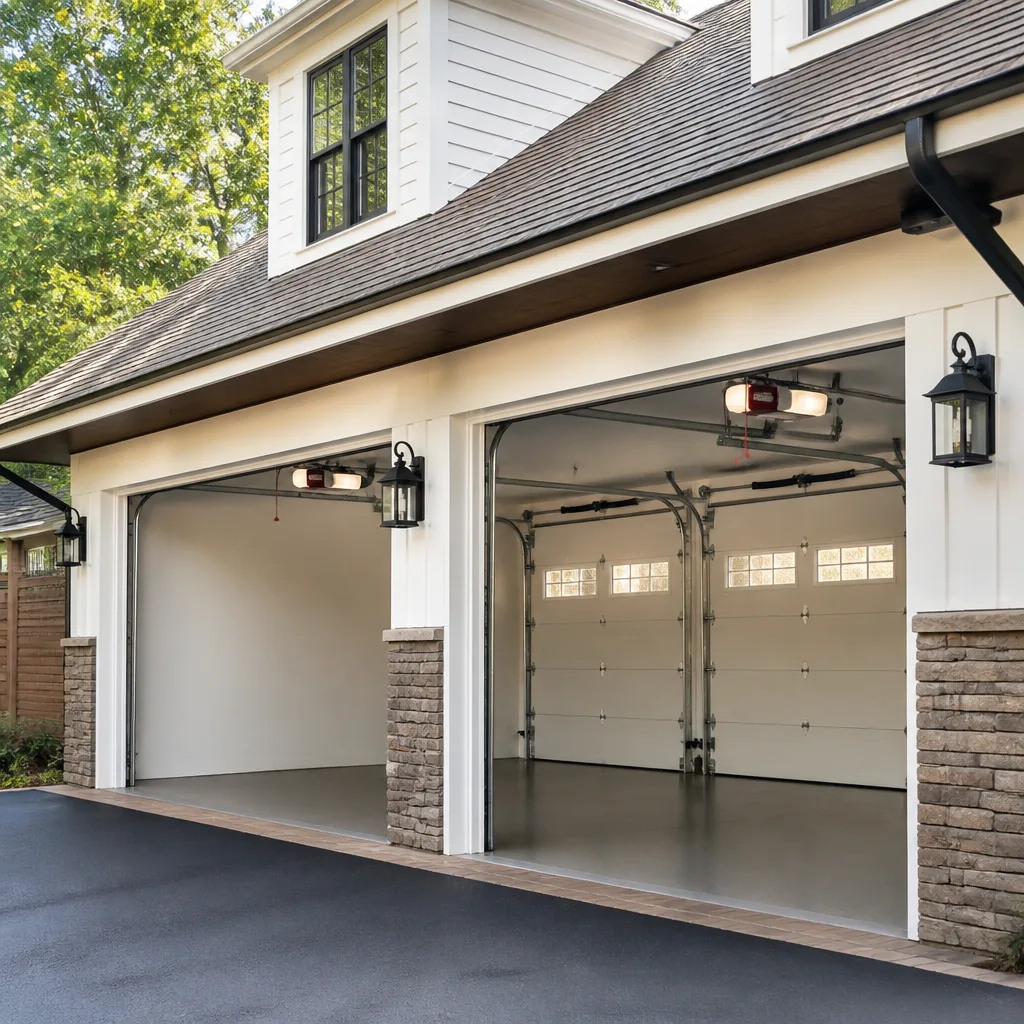
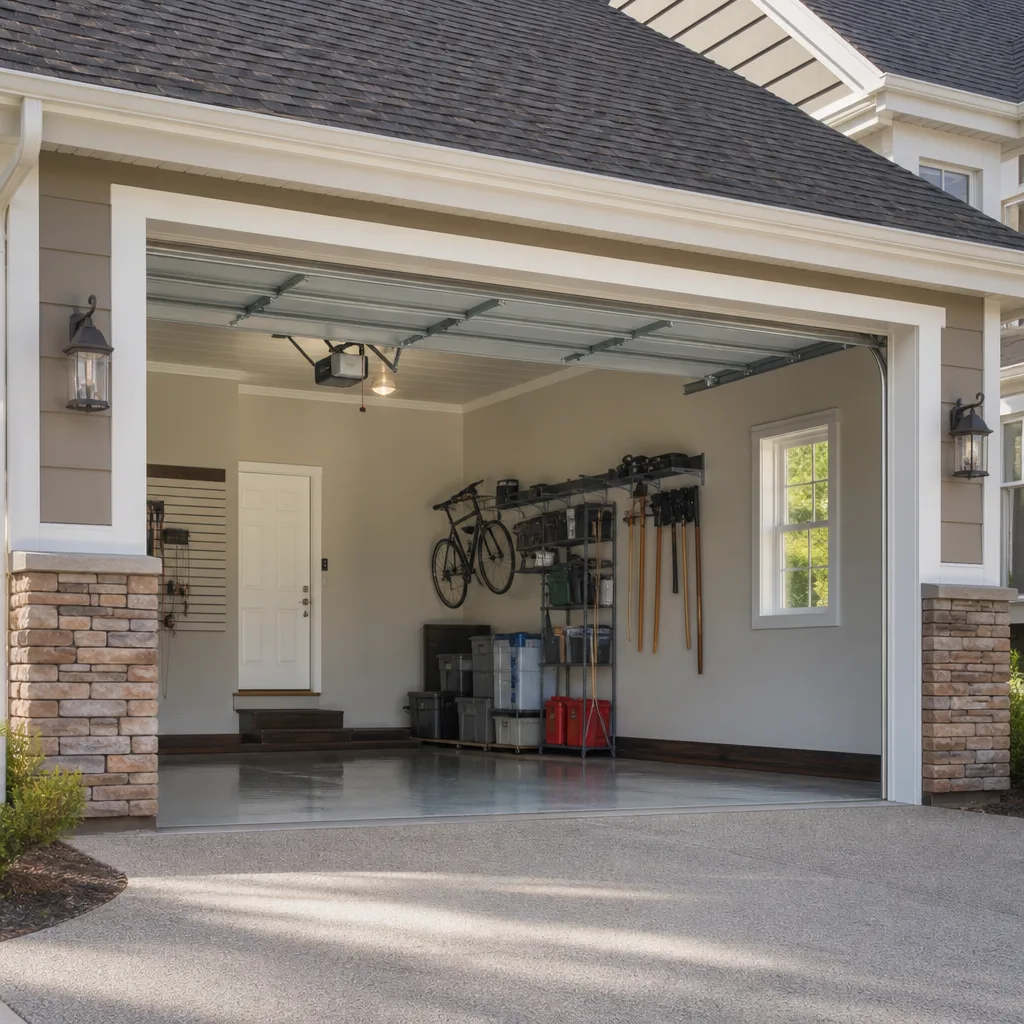
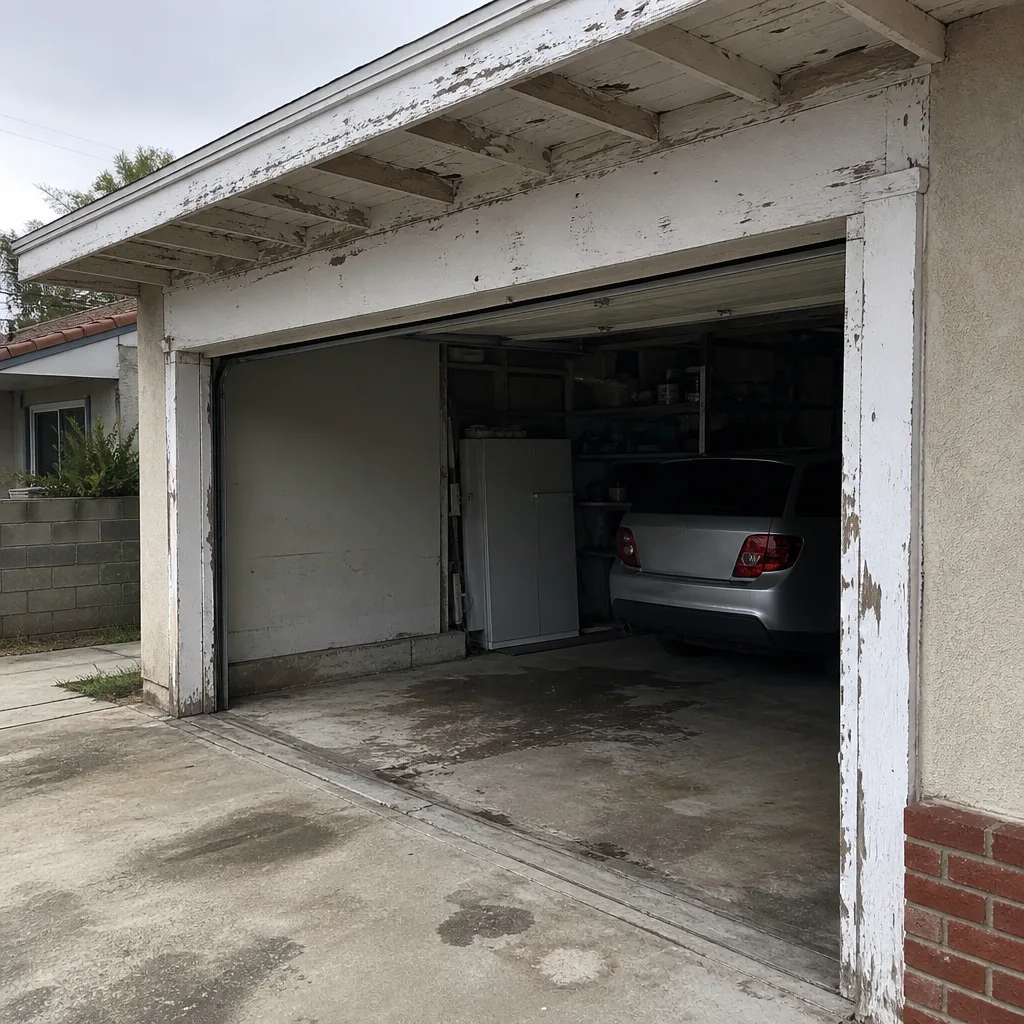 Before
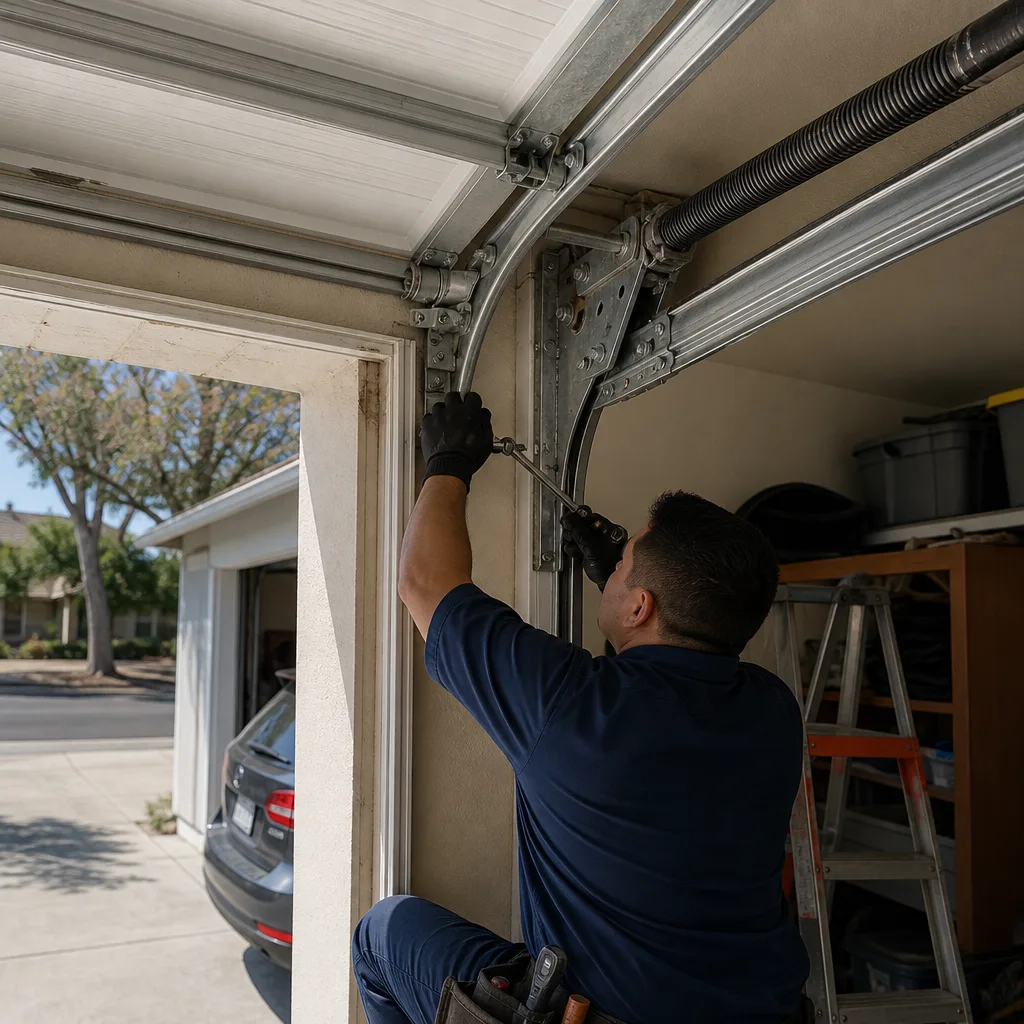 After
After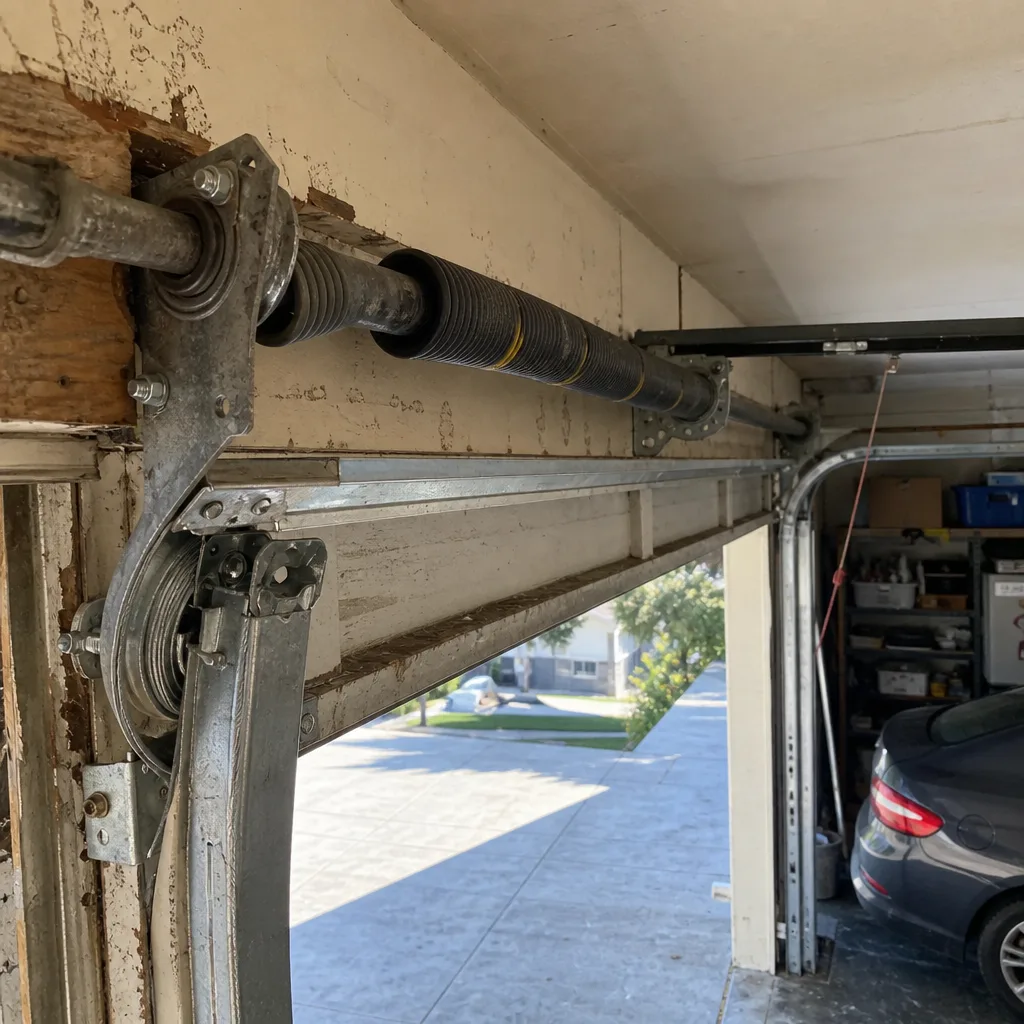 Before
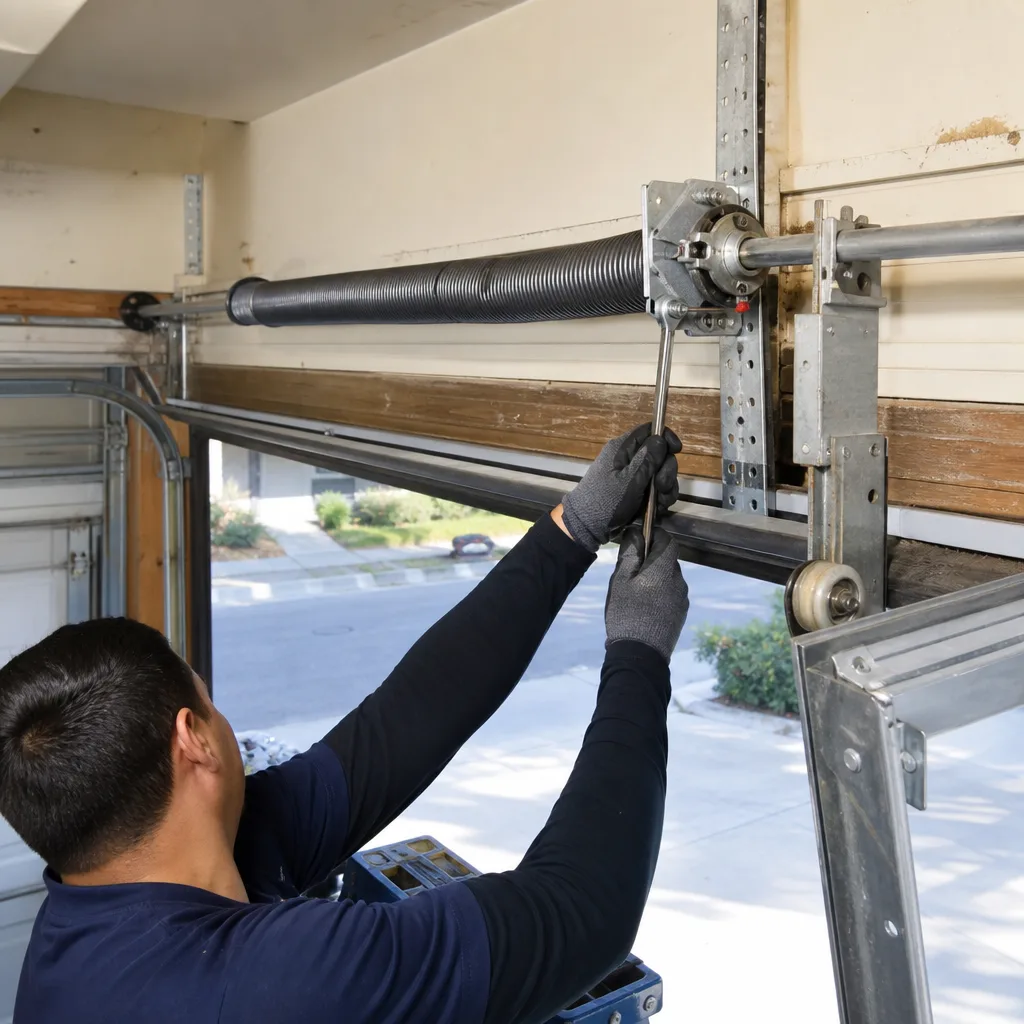 After
After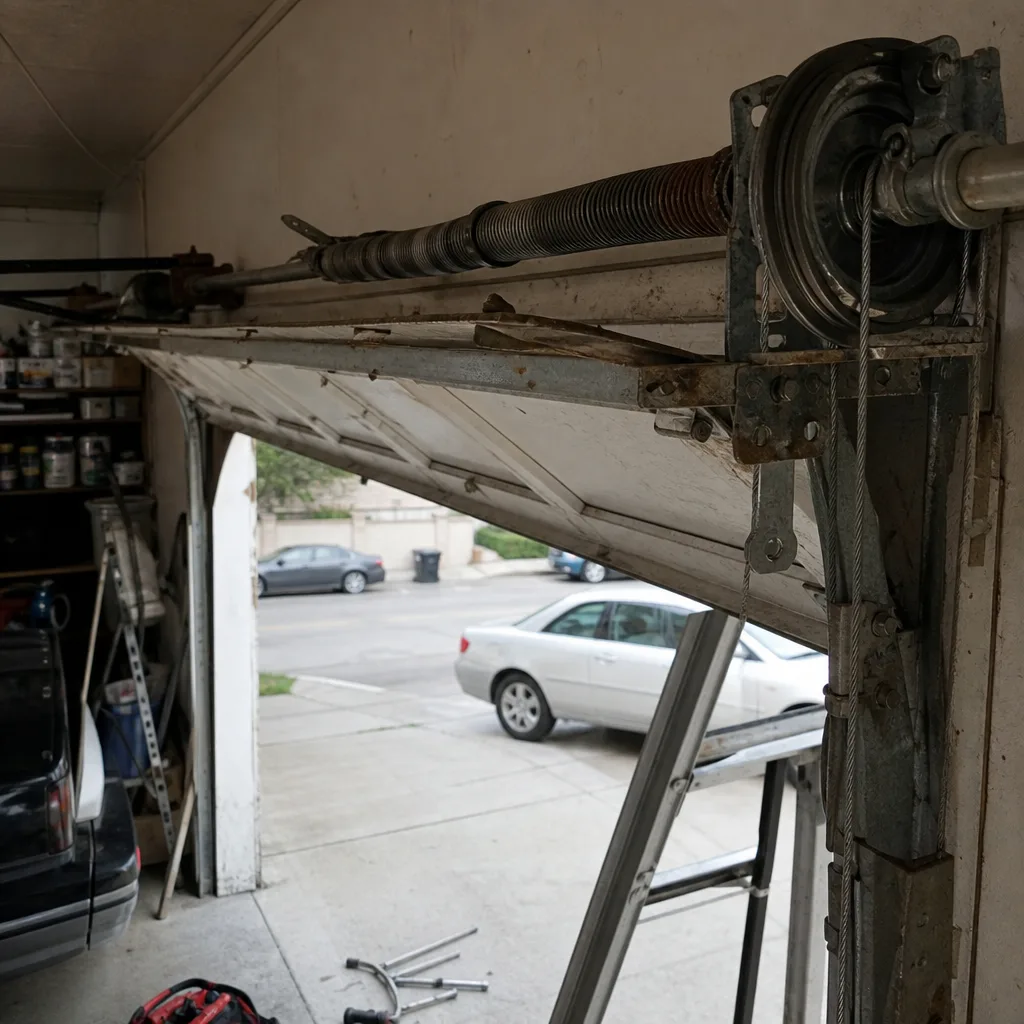 Before
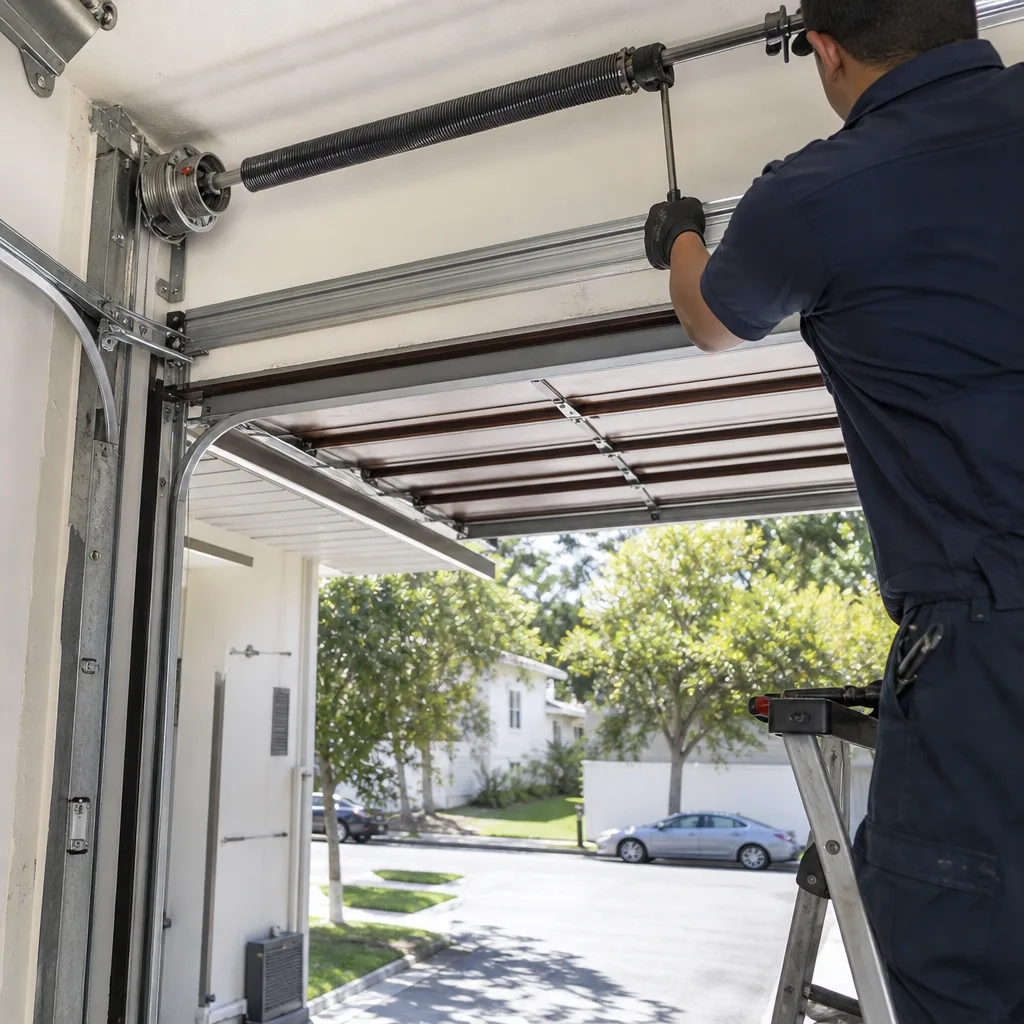 After
AfterRaynor Weather Seal Replacement: The Los Angeles Owner’s Guide
We stock and install weather seal replacement for Raynor residential garage doors throughout Los Angeles, with most jobs priced between $95 and $195 including the part and labor. A failed Raynor weather seal is almost always caught by eye before it’s caught by name: light showing under the door at dawn, a curled black flap hanging at the bottom edge, or the smell of exhaust creeping into the garage from the street. The fix is straightforward, we carry the material on the truck, and most replacements are done in under forty-five minutes. What matters is matching the right seal profile to your Raynor door’s bottom retainer, because Raynor has used more than one extrusion shape over the years. Get that wrong and the seal either won’t slide in or it drops out within a week.
What Actually Fails and Why Raynor Seals Wear the Way They Do
The weather seal on a Raynor door is a vinyl or PVC profile that slides into an aluminum retainer channel running along the bottom of the door section. It’s the first thing that touches the concrete every time the door closes. In Los Angeles, the failure pattern is consistent: ultraviolet exposure hardens the material until it cracks at the flex points, then it tears and starts peeling like old window tint. Coastal neighborhoods from Venice to San Pedro see salt air accelerating the brittleness. Inland zones like Sherman Oaks and Pasadena get the heat cycling, which is what makes the seal take a set and stop making contact with the slab. Either way, the part fails gradually and most owners don’t notice until a rainstorm channels water under the door or a mouse makes it inside.
We see this on Raynor doors more than most other brands, and it has nothing to do with Raynor’s quality. It has to do with how many Raynor doors in Los Angeles were installed between 2000 and 2015, which means a wave of original seals is hitting the end of its realistic service life right around now. The OEM seal on those doors was generally a T-style or bead-style profile depending on the model series, and after ten to fifteen years, every last one of them is doing the same thing.
One thing worth saying plainly: this is not a dangerous part to have fail. Unlike a torsion spring or a frayed cable, a weather seal won’t hurt anyone when it gives out. It’s a nuisance part with real consequences - water damage to stored goods, higher cooling bills, rodents, dirt - but there’s no safety concern with a failing seal. The safety concern comes up if someone tries to replace the seal while the door is under spring tension and reaches into the bottom panel without the door held in place. More on that below.
Which Raynor Models This Applies To
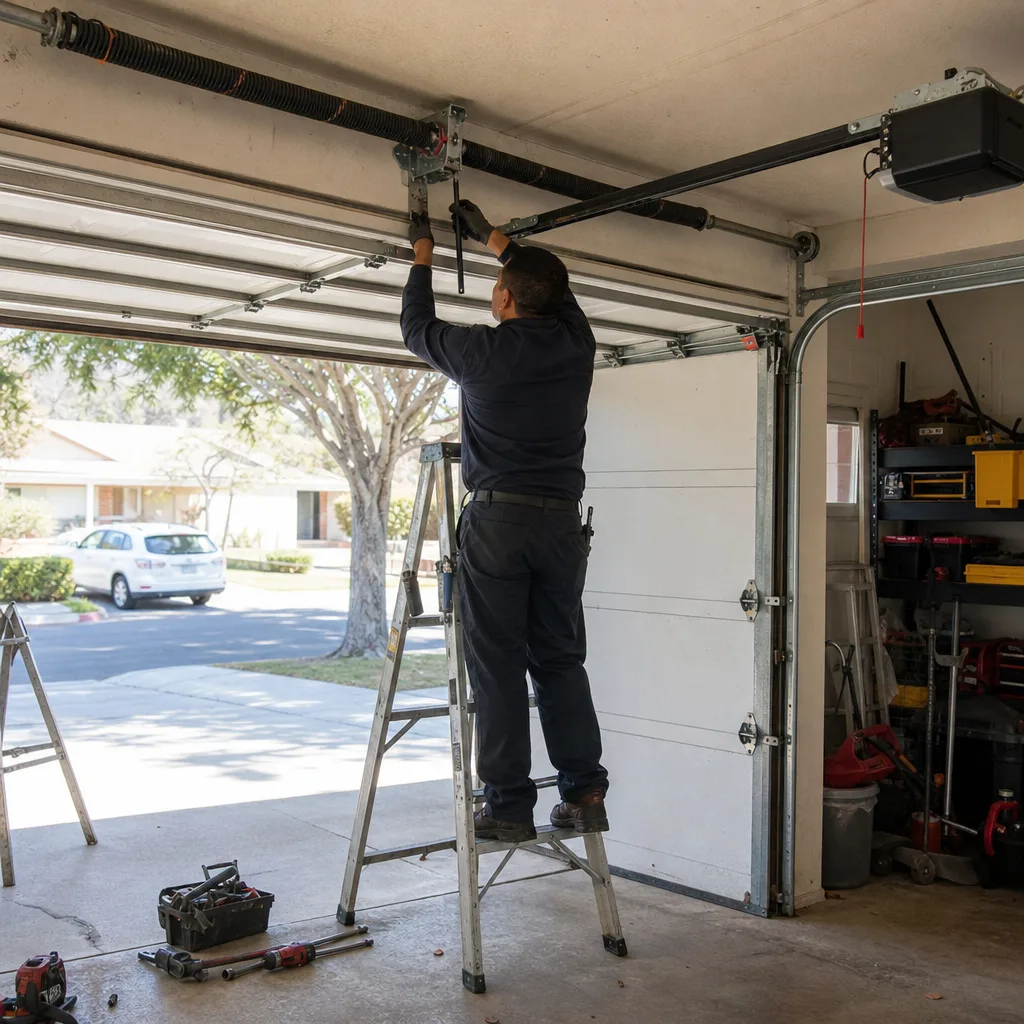
Raynor has used a few different bottom seal profiles across its residential line, and the replacement has to match the retainer channel, not just the brand name on the door. The most common fitments in Los Angeles homes are the Raynor Relante, the Raynor Ponderosa, the Raynor Signature series, and the earlier Decade and Century steel door lines that are still running throughout the Valley and the Westside.
The thing that trips up owners ordering online is the retainer width. Raynor’s aluminum bottom retainers run in a few common widths, and a seal sized for one won’t hold in another. When one of our techs arrives, they check the channel width and the seal profile style before cutting anything. If the retainer itself is crushed or corroded, which happens frequently on coastal garages, we replace the aluminum channel as well rather than trying to slide a new seal into a distorted track. That runs an additional $40 to $75 in most cases, and we’ll show you the damaged metal before we quote it, not after.
There’s also an OEM-versus-aftermarket decision, and for Raynor specifically, the aftermarket options are usually the better call on weather seal. Raynor’s own branded seal is fine, but the generic heavy-duty vinyl we stock is often thicker at the load points and holds up better in LA sun. That’s not us cutting corners; it’s a material spec observation. If you want the exact Raynor-labeled part, we can order it, but the wait is generally a week and the durability is rarely better than what’s already on our truck.
BeforeAfterSigns Your Raynor Weather Seal Replacement Is Failing
- Light visible under the door at the center or corners. The slab has settled slightly, or the seal has compressed permanently and is no longer bridging the gap. Either way, the seal has lost its ability to conform to the concrete.
- The bottom edge is curling, tearing, or looks shredded. UV damage has hardened the vinyl until it cracks instead of flexing. Once the material goes brittle, no amount of adjustment fixes it; the part is done.
- Water collects inside the garage after rain. This shows up first near the door’s low corner, where runoff pools against the seal. If the floor slab slopes toward the garage, a failed seal turns a nuisance into standing water every storm.
- You can feel a draft, or the garage smells like exhaust. Garage air is now exchanging with outside air at the bottom edge. In a city with as much traffic as Los Angeles, that’s not a small thing, and it’s a perfectly reliable failure indicator.
- Rodent droppings or nesting material along the interior base of the door. Mice need about a half-inch gap to get through, and a compressed or torn seal hands it to them. This one gets reported most in older garage structures from Echo Park to Highland Park, where the slab has moved over decades.
If the seal is intact but still not touching the concrete, the problem is retainer position or door travel limits, not the part. We’ll tell you that on the phone and it’ll save you the cost of a part you don’t need.
Replacement Cost & What’s Included
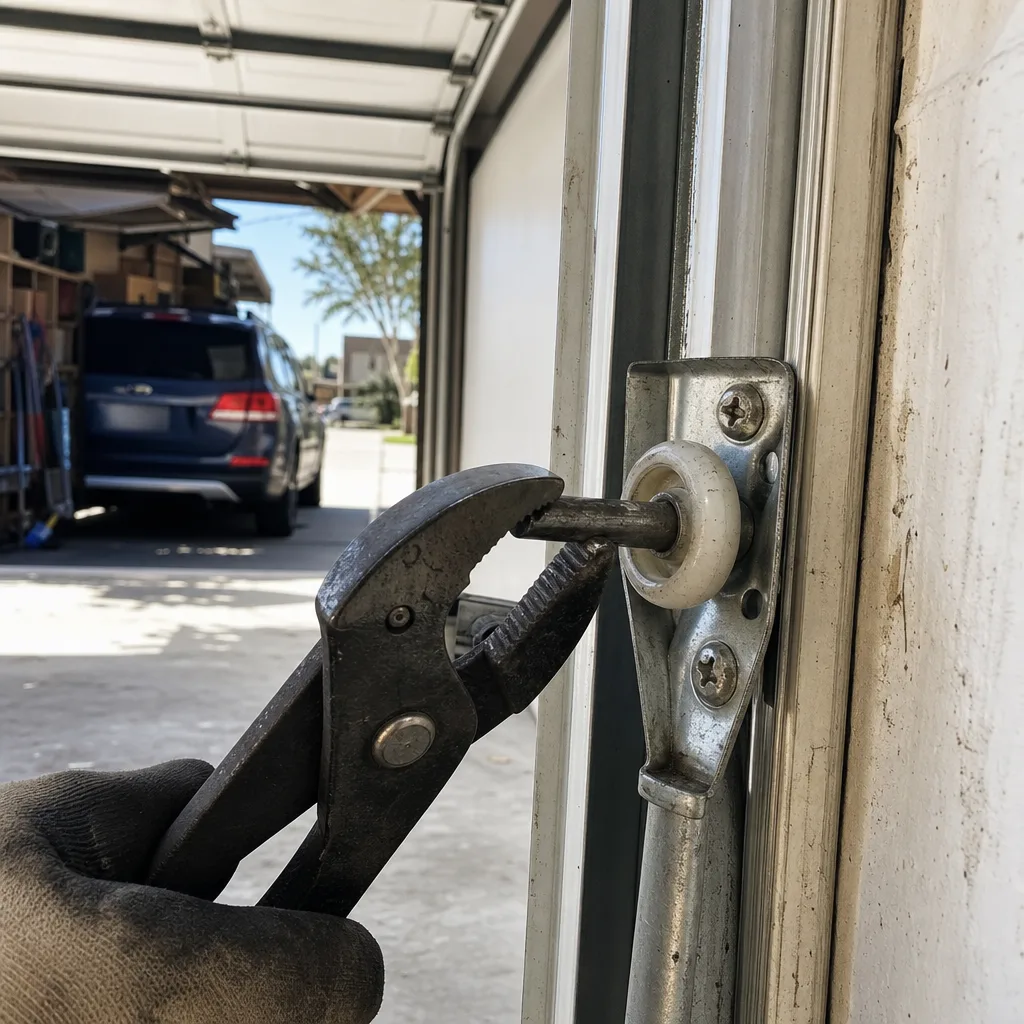
Weather seal replacement for a Raynor door in Los Angeles runs $95 to $195 installed, and the breakdown is straightforward: $30 to $65 for the material depending on the door width and seal profile, and the rest is labor. The labor covers pulling the old seal, cleaning the retainer channel, cutting the new material to length, and seating it properly across the full width of the door. If the retainer channel is shot, add $40 to $75 for the new aluminum extrusion.
Every quote is written and flat before the work starts, per Clause 1 of The Haven Standard. There’s no hourly billing on a part like this, no labor escalation if the job takes longer than expected, and no surprise on the invoice. You’ll know the final number before we touch the door, and you’ll have it in writing.
We also photograph the failed seal and the finished work on every visit, which is Clause 4 of the same standard. Before your door closes again, you’ll have a record of the old part in place, the new part seated, and the year’s worth of sun damage that killed the first one.
DIY or Call Us?
For a weather seal specifically, there’s a legitimate DIY option if the retainer channel is straight and clean. You can order a generic seal with the right profile, slide the old material out, and slide the new one in. Some owners do it in twenty minutes and it works fine. Where we see it go wrong is when the retainer is corroded, the door is misaligned, or the seal gets cut too short at the edges and leaves a gap.
The one thing a homeowner should not do is attempt this with the door in the fully open position. A garage door at open travel has the torsion system holding the door sections at rest, but if you’re reaching into the bottom retainer, the door needs to be mechanically held, not just stopped by the opener. We’ll say it straight: have the door supported, or have us do it. For most Raynor owners in Los Angeles, calling (213) 348-6550 is the faster path. Name the part, quote the range, then do the work.
Frequently Asked Questions
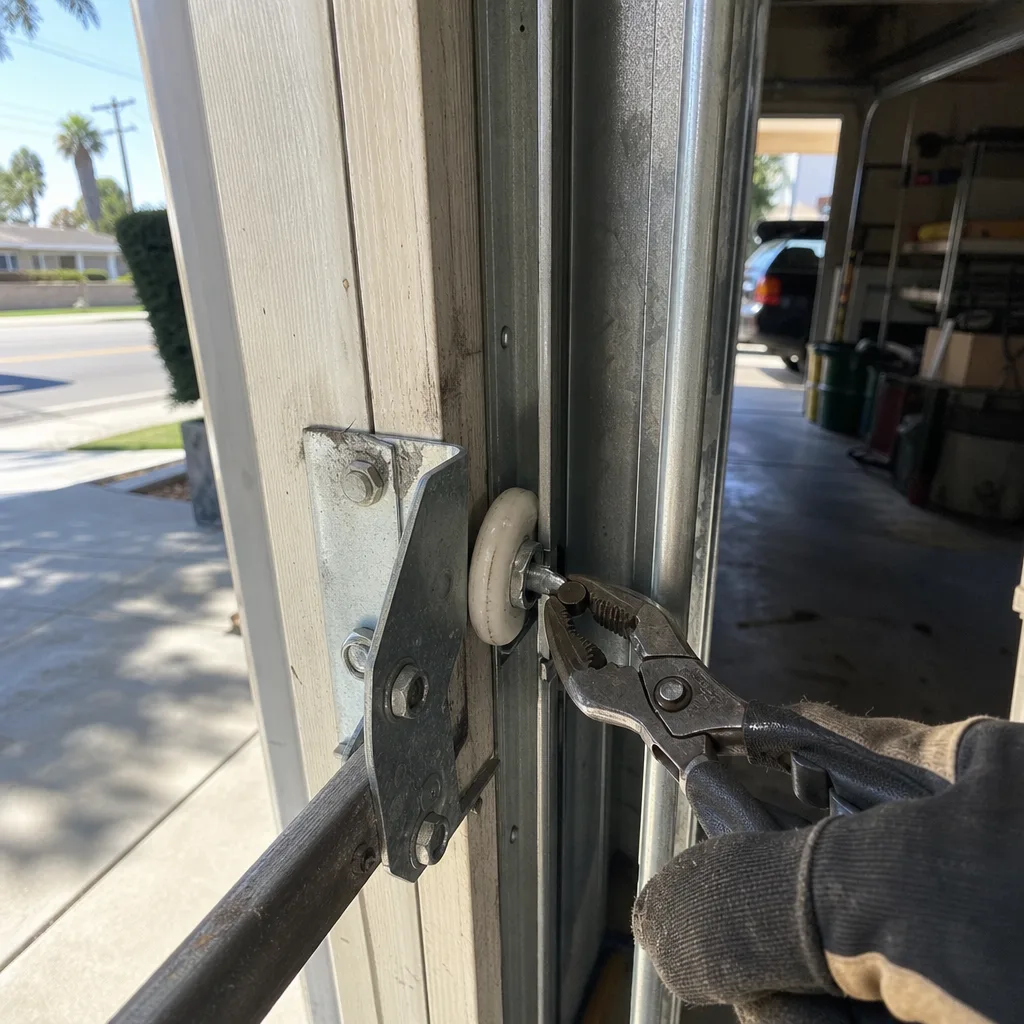
A Raynor weather seal in Los Angeles typically lasts 7 to 12 years depending on sun exposure, with south-facing doors on the coast failing fastest. Salt air and UV together wear the material like an extra decade, which is why a Venice Beach garage might need this twice in the time a Sherman Oaks garage needs it once.
A Raynor weather seal generally can’t be repaired once the material has cracked or compressed, because there’s no adhesive or patch that holds up to door compression. We splice seals only in very rare cases where a single short tear is caught early, and even then it’s usually not worth the effort. With the installed cost under $200, replacement is the honest repair.
The weather seal swap itself takes under 45 minutes for most single doors, assuming the retainer channel is reusable. If the retainer needs to be replaced as well, add about 20 minutes. It’s a same-visit job - no second appointment, no follow-up day.
We stock multiple Raynor-compatible seal profiles for standard and oversized door widths, so in most Los Angeles neighborhoods we can handle this on the first visit. The technician will confirm the retainer width and profile style before quoting, and if for some reason the right profile isn’t on hand, we’ll have it by the next day and you won’t be billed for the first trip.
Call (213) 348-6550 for a written, flat price on your Raynor weather seal replacement. Live answer, 24/7, and the quote is based on the measurements we take at your door, not a guess over the phone.
Written by Marcus Deller, Owner, Servo Garage Doors Los Angeles at Servo Garage Doors Los Angeles, serving Los Angeles and nearby areas.