
Full 25-point door and opener safety check with every visit - springs, cables, rollers, tracks, and your LiftMaster or Chamberlain opener included
You get a price before we start. It does not change when the truck arrives.
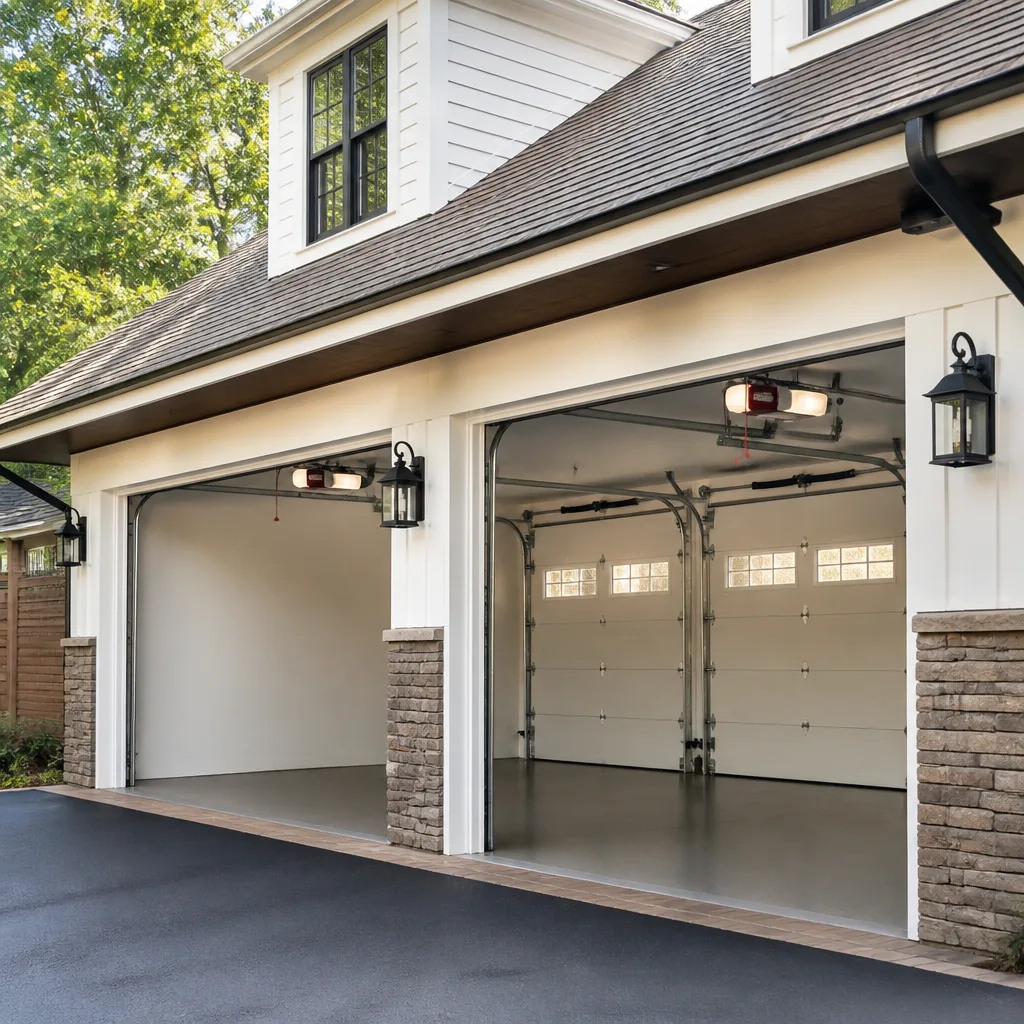
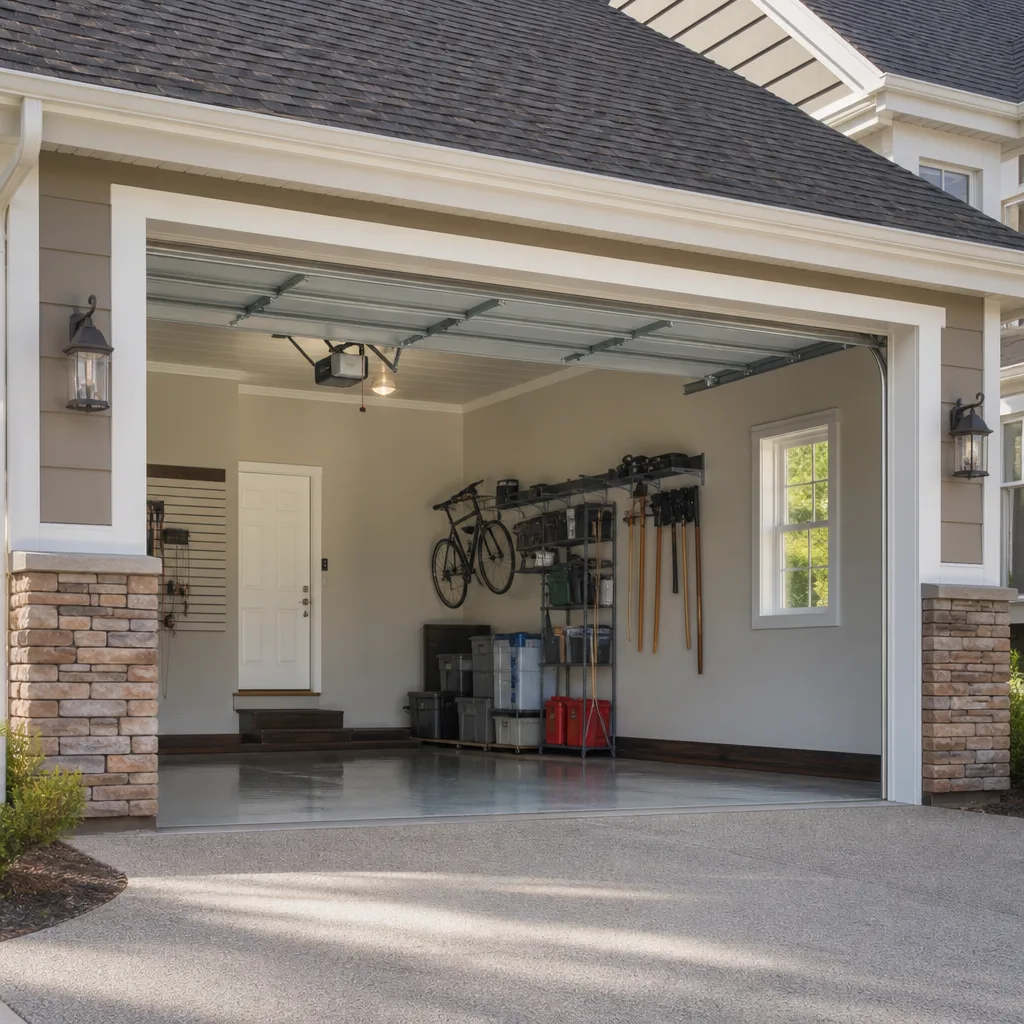
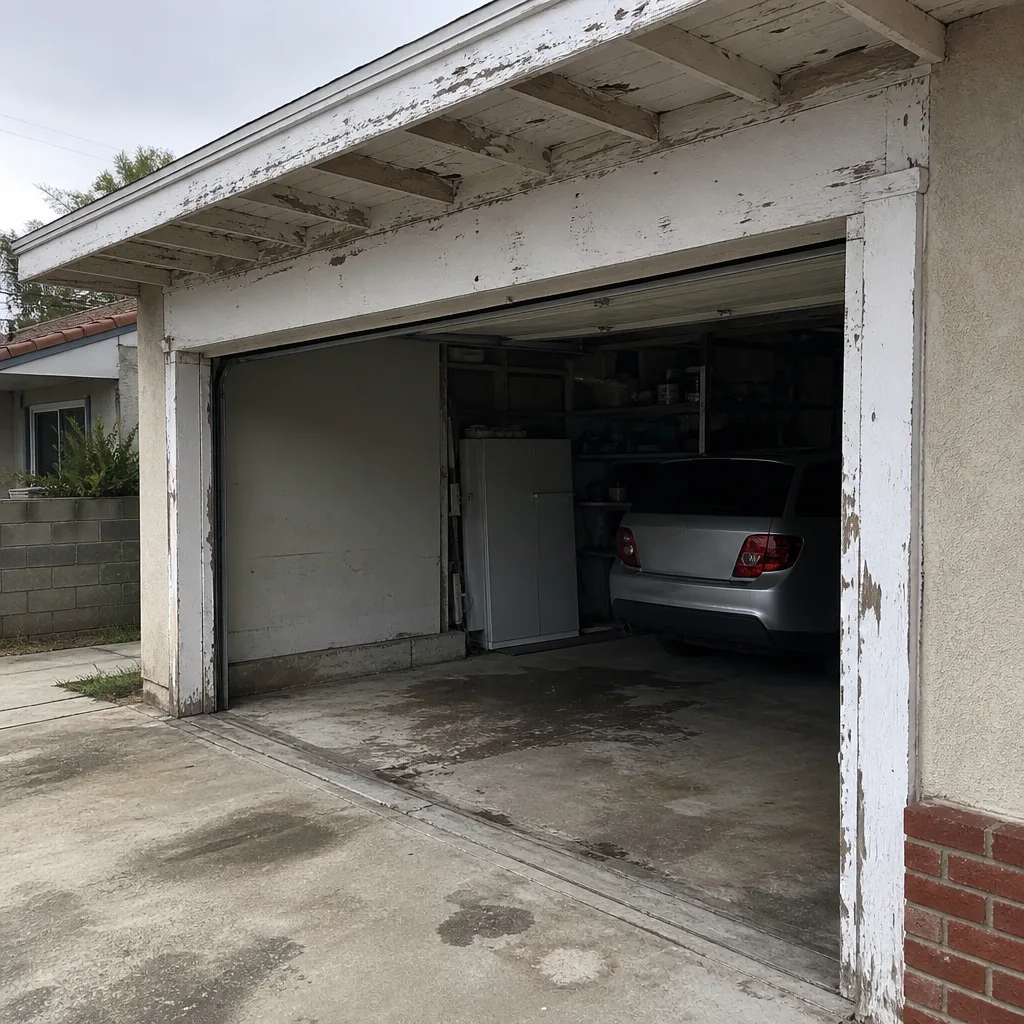 Before
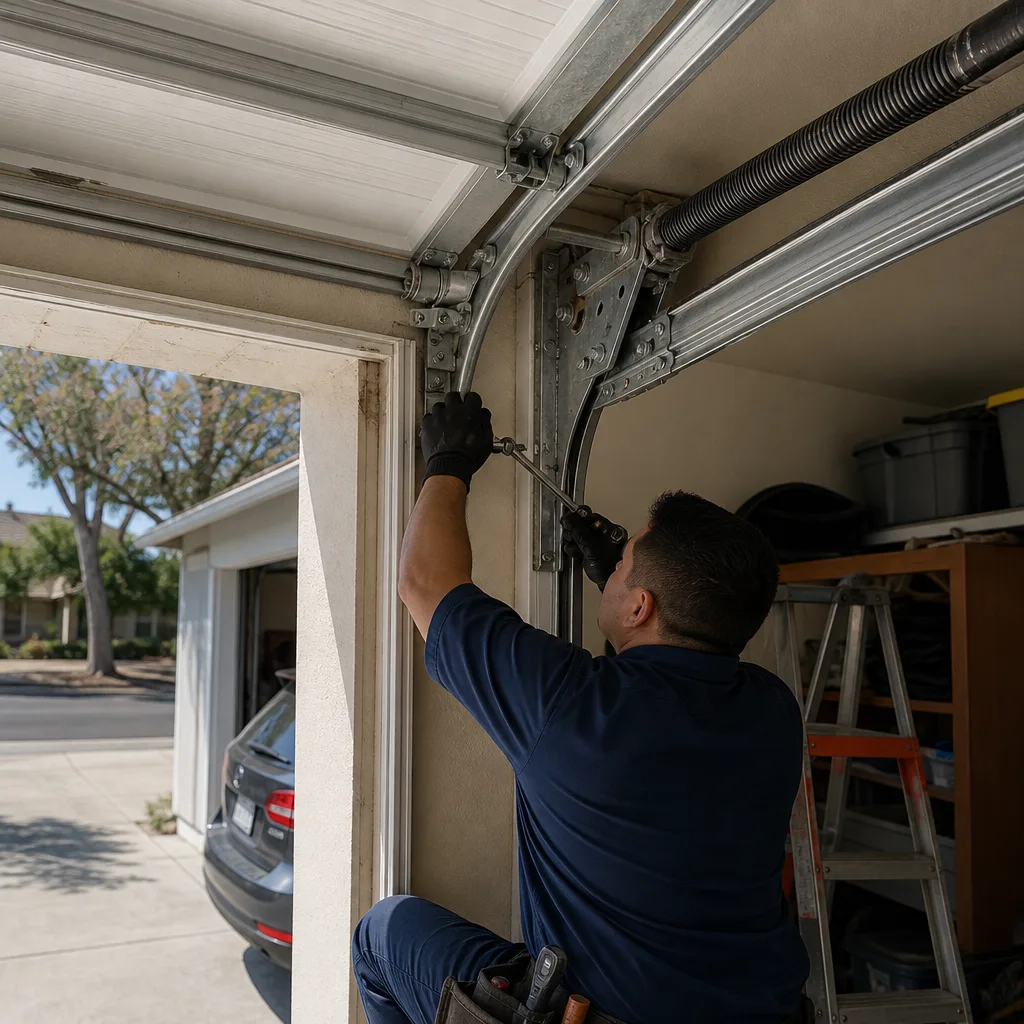 After
After Before
 After
After Before
 After
AfterClopay Weather Seal Replacement: The Los Angeles Owner’s Guide
Clopay weather seal replacement in Los Angeles typically runs $95-$210 installed, depending on door width and whether the retainer channel comes out with the old seal. Most Clopay doors in LA take 45-75 minutes to reseal once we’re on site, and we carry the common profiles on the truck. You usually discover the failure on a bright afternoon: the sun hits the garage floor and there’s a line of light under the door, or you spot dust and leaves collecting where they never used to collect before. Sometimes it’s the black rubber T-section hanging loose from the bottom edge, or a gray vinyl strip that’s gone brittle and snapped at the corner. Either way, it’s a part with a finite life, and Los Angeles sun and heat shorten it faster than most owners expect.
Key takeaways:
- Clopay weather seal replacement in Los Angeles: $95-$210 installed, quoted as a flat written price before work starts.
- We stock the three most common Clopay profiles on the truck: T-section, bulb, and J-channel retainers.
- The seal doesn’t stop just water. It stops dust, rodents, and the billable heat that raises your cooling load.
- Clause 4 of The Haven Standard: the technician photographs the failed seal before quoting a replacement, so you see what we see.
Which Clopay Models This Applies To
The weather seal on a Clopay door is not one universal part. Clopay has used at least three distinct bottom seal profiles across their residential lines over the last decade, and matching the wrong one means a seal that either falls out in two weeks or drags so hard the opener strains against it. The three most common profiles we see on Clopay doors in Los Angeles are the T-section rubber, the bulb-type vinyl, and the J-channel flap. Older Clopay doors, including some Intrepid and Value Plus units from the early 2010s, often run the T-section into an aluminum retainer channel. Newer premium lines, like Clopay Gallery and Reserve collections, tend to use a wider bulb seal. It matters less what the door series is called and more what the retaining profile measures across.
If you want to identify your seal before calling, the fastest route is the label: look for a paper or foil tag on the inside edge of the door panel, usually near the top or upper left. It lists the model and sometimes the seal part number. If the label is gone, we fall back to the measurement method: pull a loose end of the existing seal and measure the T-channel width and the bulb diameter. Marcus Deller, who runs Servo Garage Doors Los Angeles, will tell you that measuring the profile cold is the honest way to do it, because the part numbers have changed too many times to trust a model name alone. We bring multiple profiles on the van precisely because the field truth often disagrees with the catalog.
On OEM versus aftermarket: Clopay’s OEM seals are a known compound, and on newer doors under warranty, we’ll use the OEM part to protect that warranty. On doors out of warranty, a quality aftermarket EPDM rubber seal often outlasts the original thermoplastic, especially in Los Angeles garages that face west or south. The sun here is the primary reason seals fail, not wear from the door cycling. We stock both, and we’ll show you the price difference in writing before anything comes off the door. Servo Garage Doors Los Angeles is an independent service provider, not affiliated with Clopay, and we also stock weather seal equivalents for LiftMaster, Chamberlain, and Genie door lines when the job calls for it.
Signs Your Clopay Weather Seal Replacement Is Failing
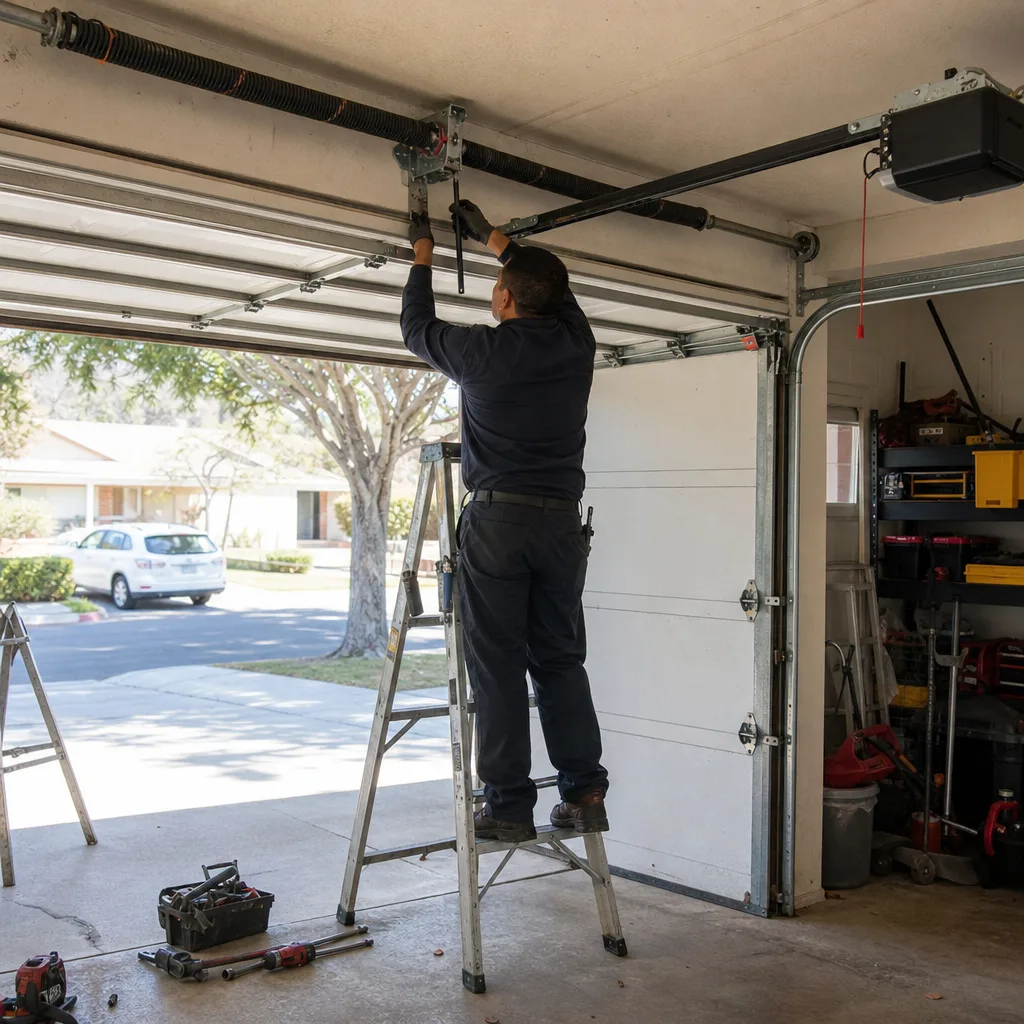
- Visible light under the door. The single most common clue. A seal that’s compressed, cracked, or warped by heat leaves a gap where the door meets the slab. In Los Angeles garages, this is also how black widows and field mice get in, so we don’t treat it as cosmetic.
- Dust or dirt streaks inside the garage. Air follows the gap. If there’s a wind-driven draft through your garage and you see fine dust collecting along the interior wall line, the bottom seal has lost contact. Older LA homes with original concrete slabs often have settled floors, which makes the gap worse on one side.
- The rubber has gone brittle or split at the ends. The last 18 inches of seal fail first, especially where the door tracks temper the material into a tighter bend. If the T-section tears at the corner, the seal can slide out of the channel over a few more cycles. The remaining length often looks fine but isn’t sealing the corners.
- Water pooling after rain. Los Angeles doesn’t get much rain, which means owners forget this failure mode exists until January. A one-inch gap along a 16-foot door passes more water than you’d believe, and wet garage floors after a storm are often the first sign someone notices.
- The door sits slightly harder or the opener sounds strained. A degraded seal can swell in humidity or deform and catch the slab edge, adding resistance at the final close. The opener compensates by pushing harder. If your motor sounds different in the last two seconds of travel, look at the seal before you look at the opener.
BeforeAfterReplacement Cost & What’s Included
Clopay weather seal replacement in Los Angeles costs $95-$210 installed. The spread comes from door width, profile type, and retainer condition. A single-car 8-foot wide door with a straightforward T-section seal runs toward the bottom of the range; a 16 or 18-foot two-car door with a corroded aluminum retainer that also needs replacing runs toward the top. The line items are on the written scope: part cost, labor, and any retainer replacement, each as its own number.
What’s included in that price: the correct profile matched to your door, removal of the old seal, installation of the new one, and a documented photo record showing the failed part before and the installed part after. Per Clause 1 of The Haven Standard, the flat written price is delivered before any work starts, so the number you approve is the number you pay. The installation carries our 365-Day Done Right Promise: if the seal doesn’t sit right or fails within a year under normal use, we make it right without another invoice. If you’ve got a written estimate from another company, bring it and we’ll give you a free second opinion.
DIY or Call Us?
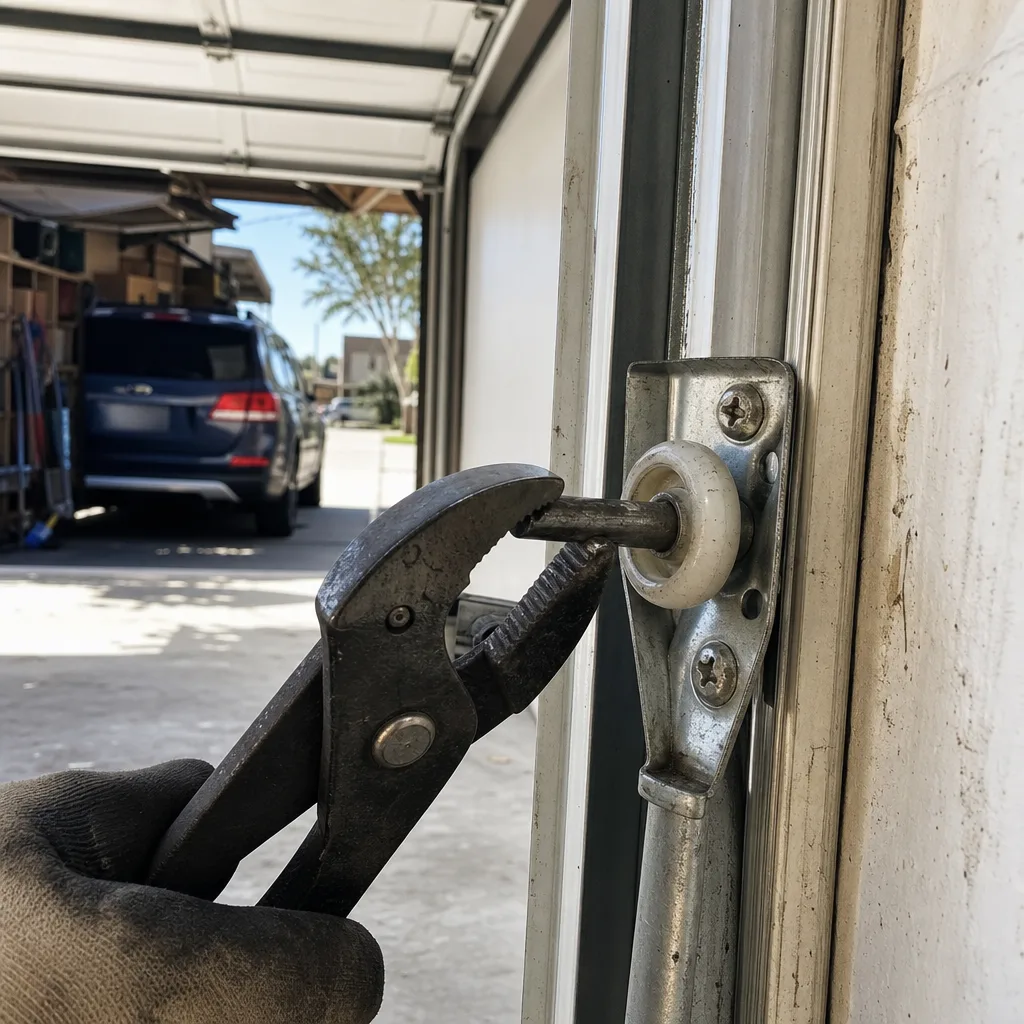
This is one of the few garage door parts an owner can replace without real risk to life or limb. The bottom seal is not under tension, there’s no electrical component, and the tools are typically a utility knife, a tape measure, and patience. The danger isn’t the seal itself, it’s the old aluminum retainer channel: those edges are sharp, and the fasteners have been oxidizing against the bottom panel for years. If you’re comfortable on a ladder with gloves and you get the profile measurement right, it’s a one-hour Saturday job. The two ways it goes wrong are buying the wrong shape (most retail profiles don’t match Clopay channels) and damaging the retainer while prying out the old seal, which turns a $20 part into a $150 retainer replacement.
If any part of you doesn’t want to spend a Saturday measuring rubber profiles and fighting a corroded aluminum channel, call (213) 348-6550. We stock the profiles, we do the swap in well under an hour, and you get the photo record when we leave. Name the part, quote the range, then do the work.
FAQs
In Los Angeles, a Clopay bottom seal typically lasts 4 to 7 years, with the failure point driven almost entirely by sun exposure and heat. West and south-facing garage doors in places like Sherman Oaks or Culver City degrade faster than shaded doors in older neighborhoods with mature tree cover. We replace seals on some LA doors every three years when the afternoon sun hits them year round. If you want an exact read on your seal’s remaining life, call (213) 348-6550 and we’ll take a look and quote the replacement in writing.
No, a cracked, brittle, or deformed Clopay weather seal can’t be meaningfully repaired, because the material has lost its flexibility and any patch or adhesive fix will fail within weeks. The only exception is a small tear at the very end of the T-section where it slides into the retainer: if the rest of the seal is still supple, trimming and re-seating can buy a few months. But that’s temporary, and we’ll tell you straight if it’s a waste of your time. Call (213) 348-6550 for an honest read and a flat written price.
A Clopay weather seal replacement typically takes 45 to 75 minutes from start to finish, including removing the old seal and photographing the completed work. The job runs longer only if the aluminum retainer is damaged or corroded and needs replacement at the same visit, which we’ll show you on site before quoting. Most Los Angeles homeowners read the part number over the phone and have the work done the same day. Call (213) 348-6550 to schedule or ask anything else.
Yes, our technicians carry the three most common Clopay-compatible bottom seal profiles on every truck: T-section rubber, bulb vinyl, and J-channel, in lengths that cover single and double doors. We also carry replacement aluminum retainer channels for the cases where the old one is too far gone. If your door has an uncommon profile we don’t have on board, we’ll photograph it, source the correct part, and return with a written price already in your hand per Clause 1. Call (213) 348-6550 if you want us to identify the profile from a photo and confirm stock before coming out.
Written by Marcus Deller, Owner, Servo Garage Doors Los Angeles at Servo Garage Doors Los Angeles, serving Los Angeles and nearby areas.