
Full 25-point door and opener safety check with every visit - springs, cables, rollers, tracks, and your LiftMaster or Chamberlain opener included
You get a price before we start. It does not change when the truck arrives.
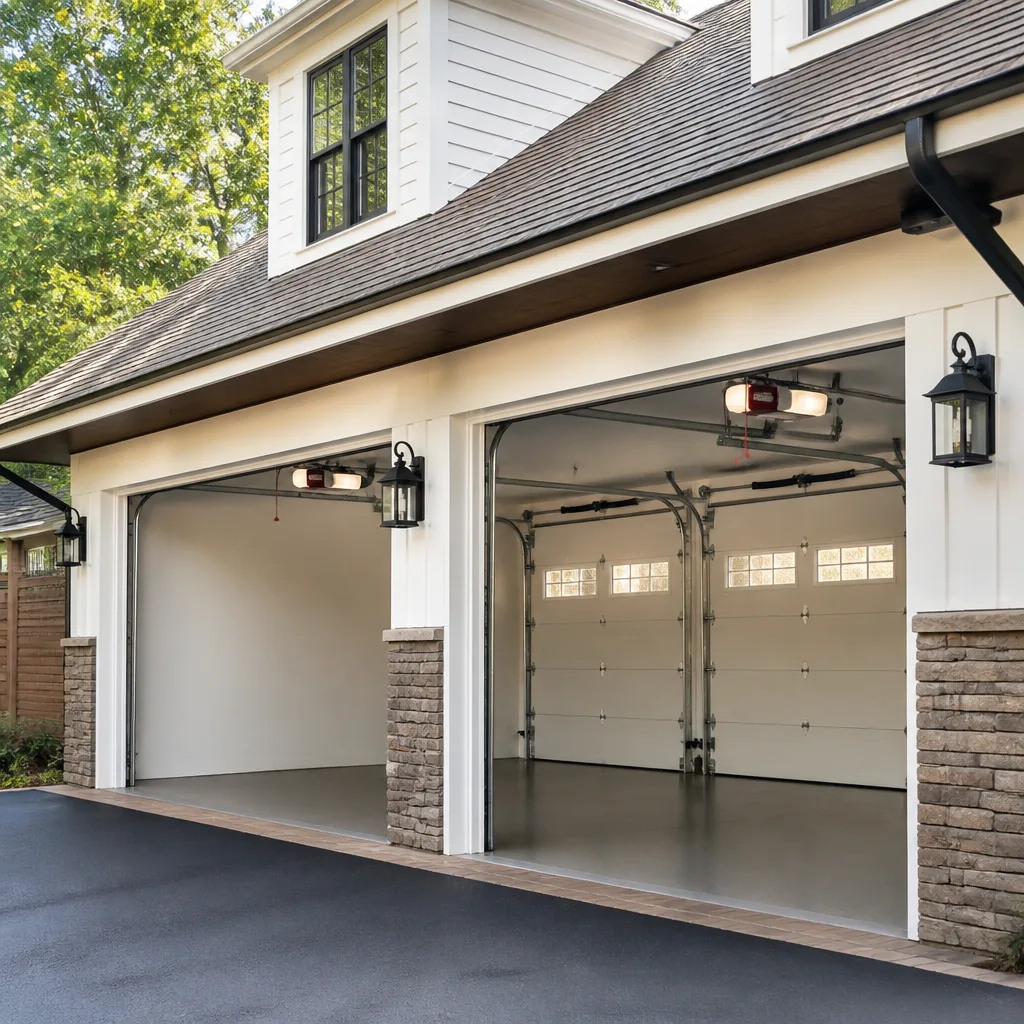
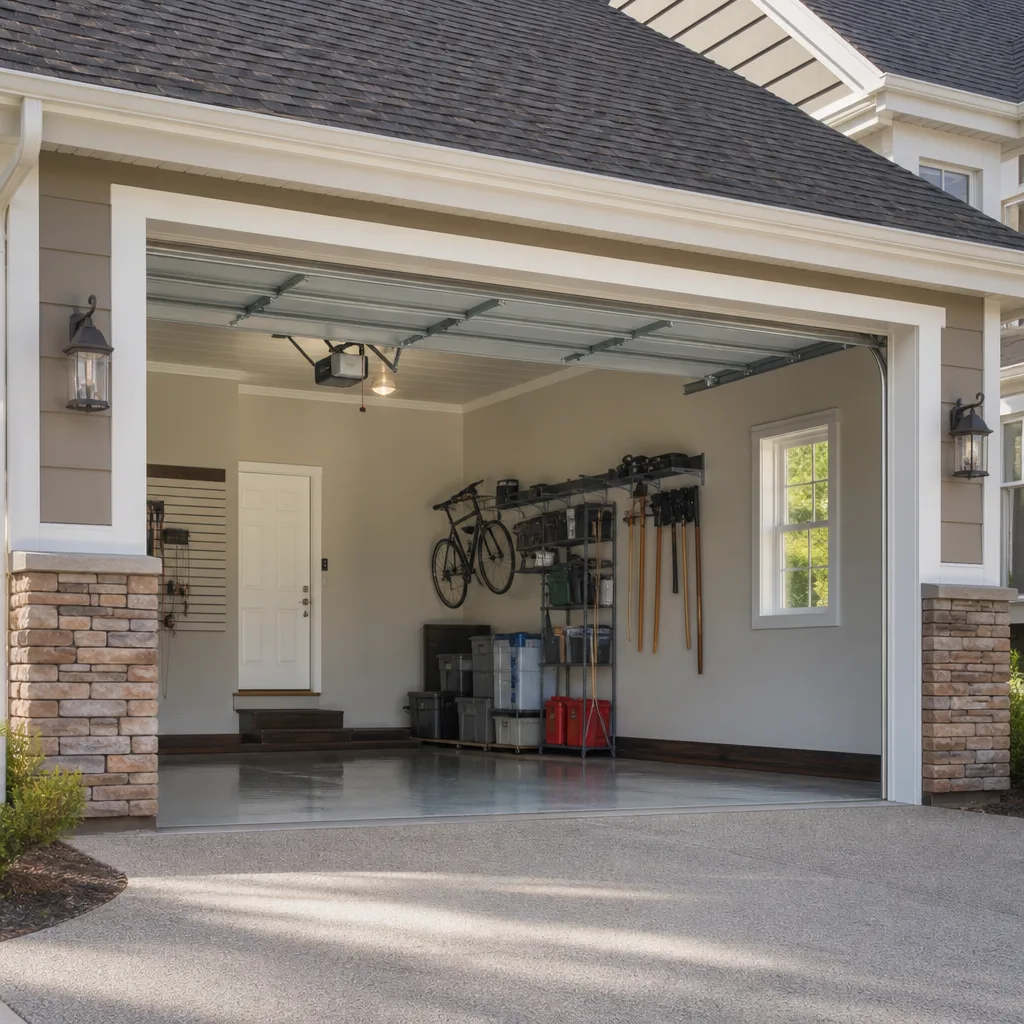
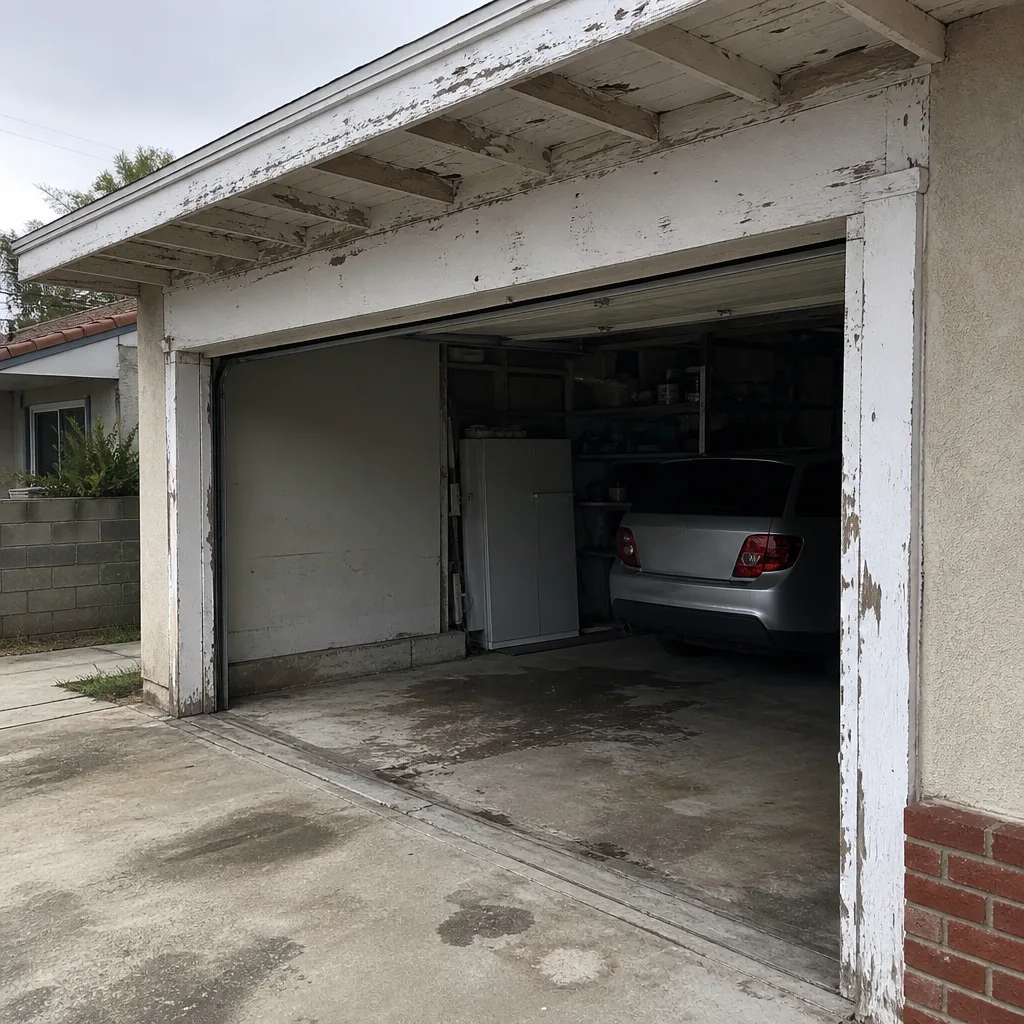 Before
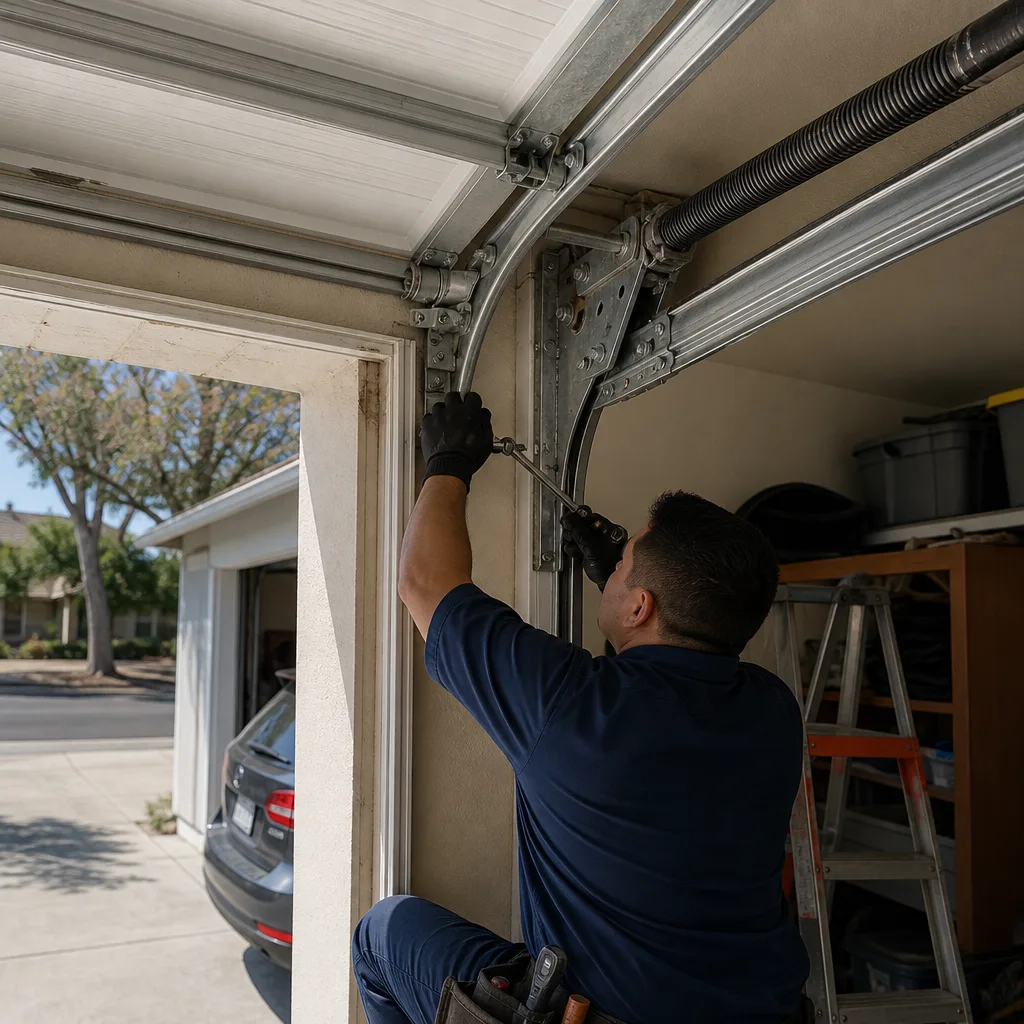 After
After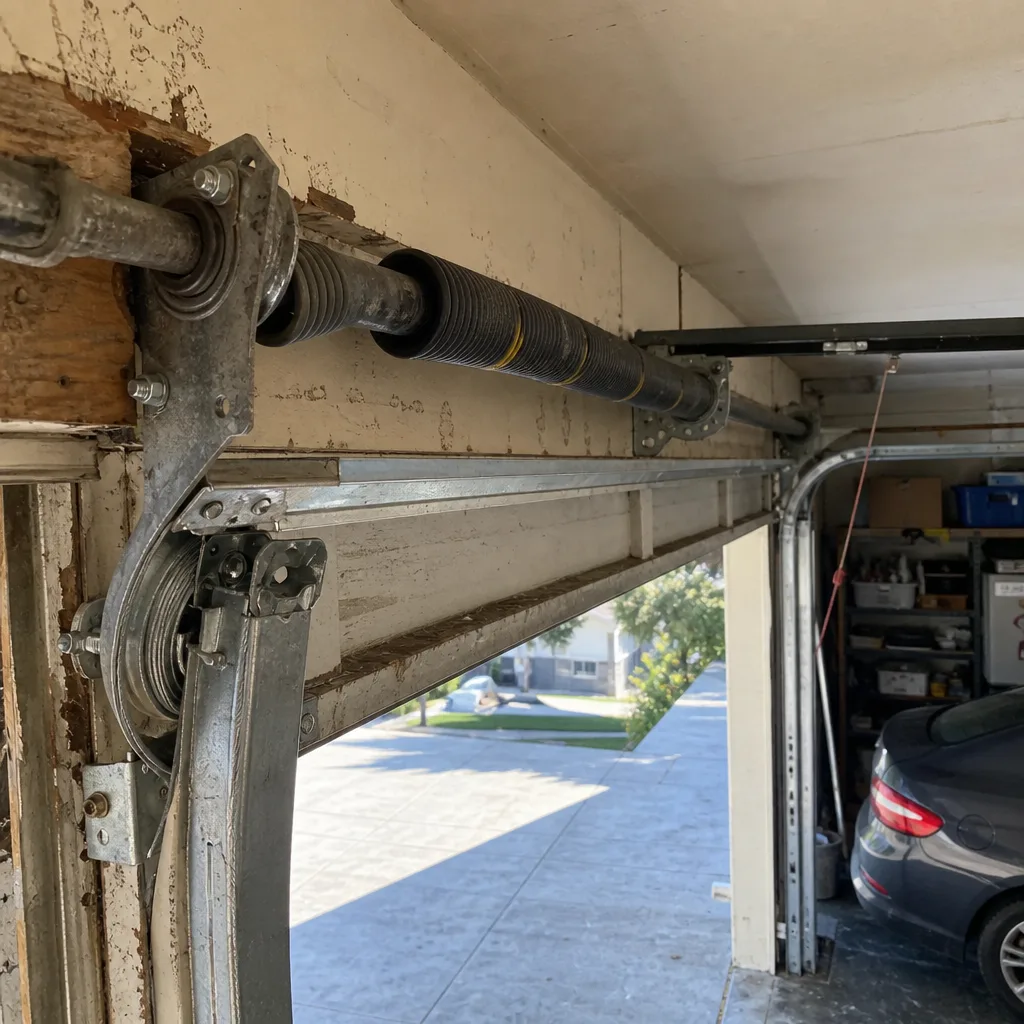 Before
 After
After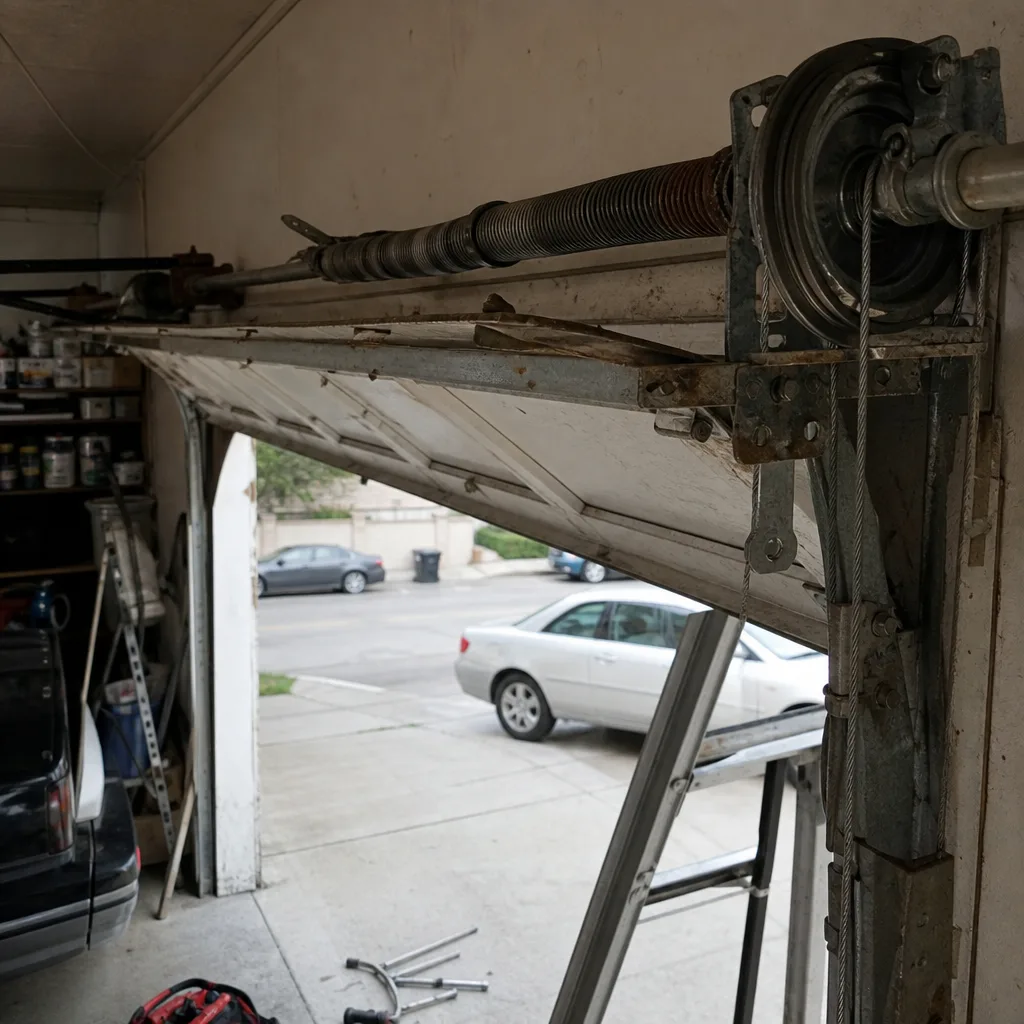 Before
 After
AfterLiftMaster Roller Replacement: The Los Angeles Owner’s Guide
Quick answer: LiftMaster roller replacement in Los Angeles typically runs $130-$260 installed, including the rollers, labor, and a documented photo record of the job. We stock LiftMaster-compatible rollers on the truck, so most replacements are done same-day in one visit. You’ll know this part is failing when the door sounds like it’s grinding gravel and shudders in the track instead of gliding.
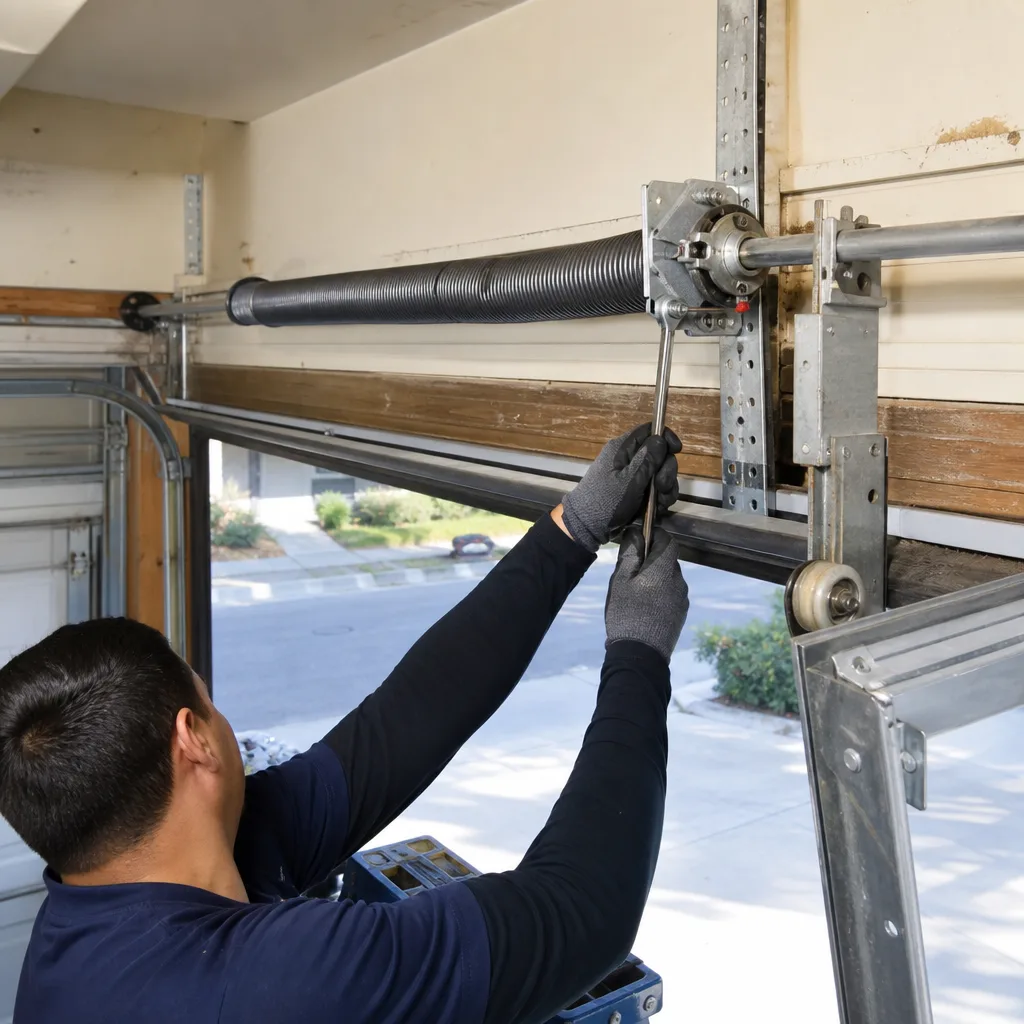
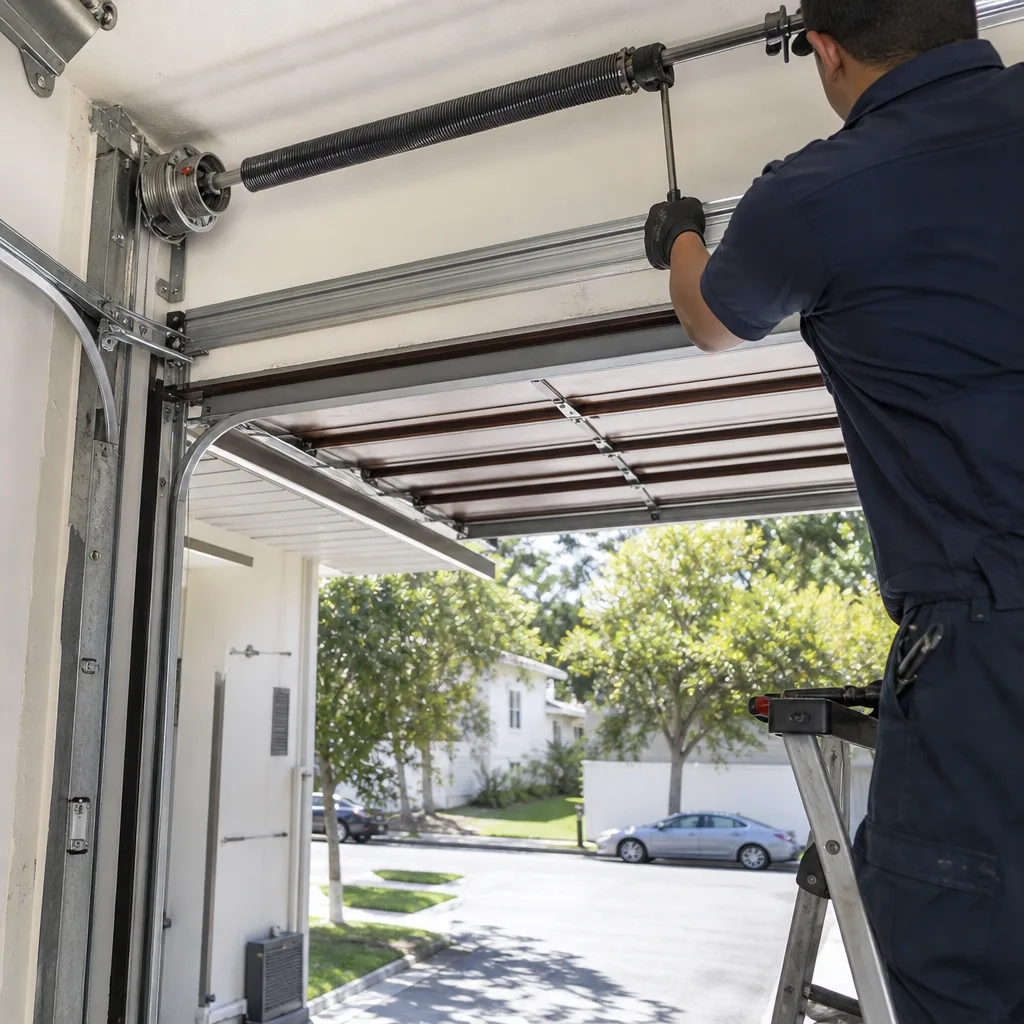
Rollers are the wheels that carry your door up and down the vertical and horizontal tracks. On a LiftMaster system, the opener is doing the pulling, but the rollers are doing the rolling. When one seizes, wears flat, or sheds its nylon sleeve, the whole door starts fighting itself. Homeowners in Los Angeles usually notice it as a rhythmic thump, a squeal that comes and goes, or a door that hangs slightly crooked in the opening. The part itself is inexpensive. The labor to swap a full set correctly, without letting the door bind or a cable jump, is where honest money gets spent.
Key takeaways:
- Installed price range: $130-$260 for full roller replacement on a standard LiftMaster-equipped door.
- We carry steel and nylon rollers in sizes to match LiftMaster track profiles, on the truck, at every job.
- Roller failure is mechanical, not electrical. It will not throw an opener error code. You’ll hear it and see it first.
- Every job gets a written price and scope before work starts, per Clause 1 of The Haven Standard.
- You get photos of the failed rollers before we quote replacement. That’s Clause 4.
Which LiftMaster Models This Applies To
Roller replacement is not opener-specific in the way a logic board or travel module is. The rollers ride the door and track, not the motor head. So this applies to any residential door being opened by a LiftMaster unit: the 8160, 8360, 8500, 87504, 8850, the 98022 wall-mount, and older Chain Drive models from the Elite and Premium series. If your home was built after 2005 in neighborhoods like Sherman Oaks, Mar Vista, or Eagle Rock, there’s a good chance the original builder paired the door with whatever LiftMaster was current that year.
The compatibility question is less about the opener model and more about the door hardware. LiftMaster doors and openers are engineered for standard 2-inch track systems, which take either 7/16-inch or 11/32-inch stem rollers depending on the hinge. Where it gets tricky: some older Los Angeles homes, especially in the Hollywood Hills and Silver Lake, have had custom carriage-house or Spanish-style doors retrofitted with heavier track. Those may need a 10-ball bearing roller instead of the standard 7. We measure the stem and the roller diameter before recommending anything. You shouldn’t have to guess, and you won’t have to.
One more thing worth knowing: LiftMaster itself doesn’t manufacture rollers. The brand is on the opener, not the wheel. So “OEM” for a roller is really about matching the original spec: stem length, wheel diameter, bearing count, and material. We install nylon-sleeved steel rollers with sealed bearings as our default on LiftMaster-equipped doors, because they run quieter and last longer in Los Angeles heat than bare steel. If a door already has steel-only rollers, we’ll show you the wear pattern and let you decide. Marcus Deller keeps the manufacturer torque specs in the truck for exactly these moments, because the right roller in the wrong hinge throws everything off.
Signs Your LiftMaster Roller Is Failing
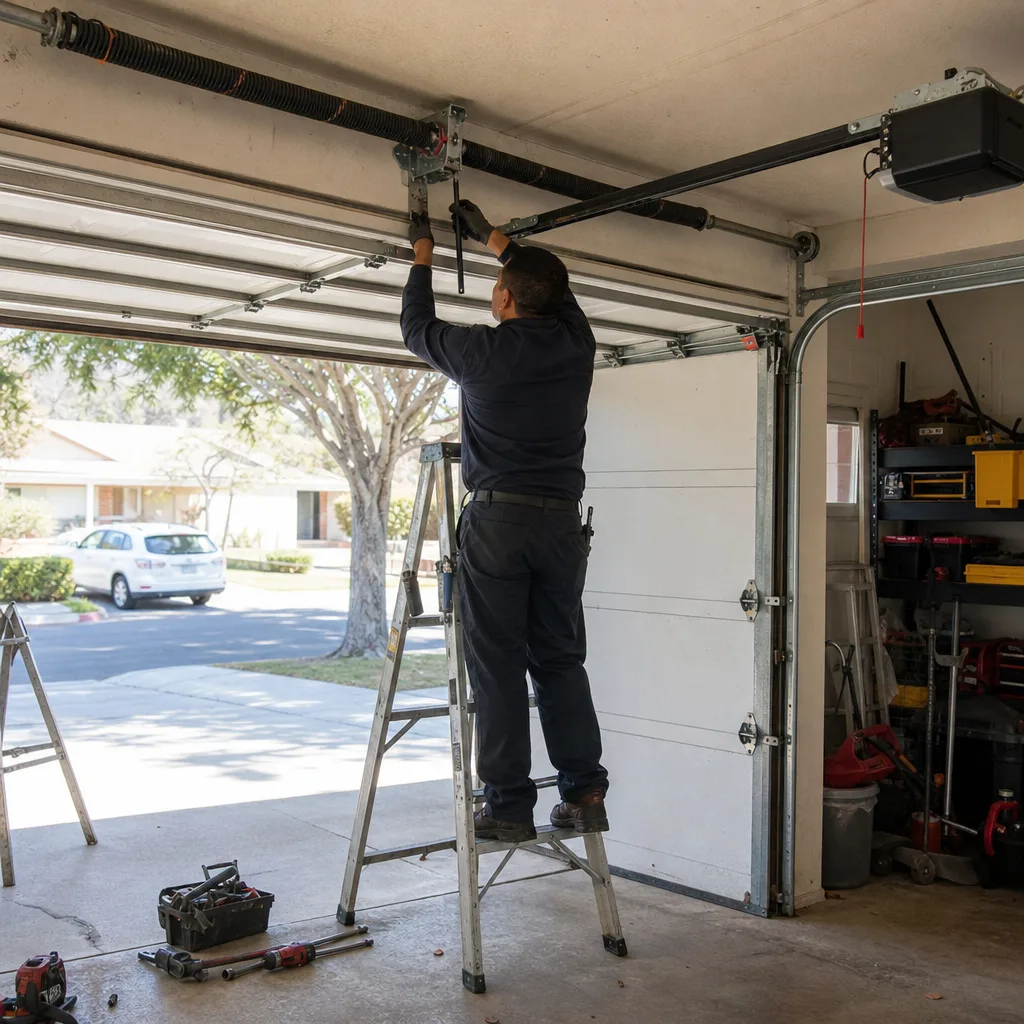
- A grinding or chattering sound during operation. The bearing inside the roller has run dry or the nylon sleeve has cracked. The wheel stops turning freely and gets dragged along the track instead of rolling on it.
- The door shudders or jerks as it moves. One or more rollers have developed flat spots or seized entirely. The opener is working harder to overcome the friction, and you feel it through the whole panel.
- The door sits slightly crooked in the opening, even by a half inch. A roller with a worn stem rocks inside the hinge. The door loses alignment, and over time, that misalignment chews up the track itself.
- Visible wear, cracks, or missing nylon on the roller wheel. The nylon sleeve on a quality roller should last years, but direct sun and heat cycling in Los Angeles will eventually make it brittle. Once it splinters, it starts gouging the track.
- Track damage - scratches, gouges, or a widening gap between roller and track wall. That’s the end stage of a bad roller. The wheel is no longer turning. It’s being pulled, and it’s cutting a groove into the metal it should be rolling on.
BeforeAfterReplacement Cost & What’s Included
In Los Angeles, full roller replacement on a standard two-car garage door with a LiftMaster opener runs $130-$260, installed. That’s the range you should expect on a straightforward job with a standard 7-ball nylon roller set. The spread depends on three things: how many rollers the door has (10 on most standard doors, 12 on some heavier models), whether the door needs 10-ball bearings or heavier-duty spec, and whether the track showed damage from the failed rollers that needs addressing.
Here’s what you’re paying for, itemized the way we’d write it on a scope:
- Rollers: $6-$14 each, depending on bearing count and material.
- Labor for full replacement: $90-$140, including hinge-by-hinge inspection and track check.
- Track realignment or minor correction, if needed: $140-$285, quoted as a separate line item only if we find it.
Every replacement under $400 of work carries our standard labor warranty, and the rollers themselves carry the manufacturer’s material warranty. We don’t sell you a number and slide paper across the table later. The flat, written price and written scope are delivered before any work starts. If we open the hinge and find something unexpected, we photograph it, hand you the photo, and write a new price before touching it further. That’s Clause 1 and Clause 4 of The Haven Standard, working together.
DIY or Call Us?
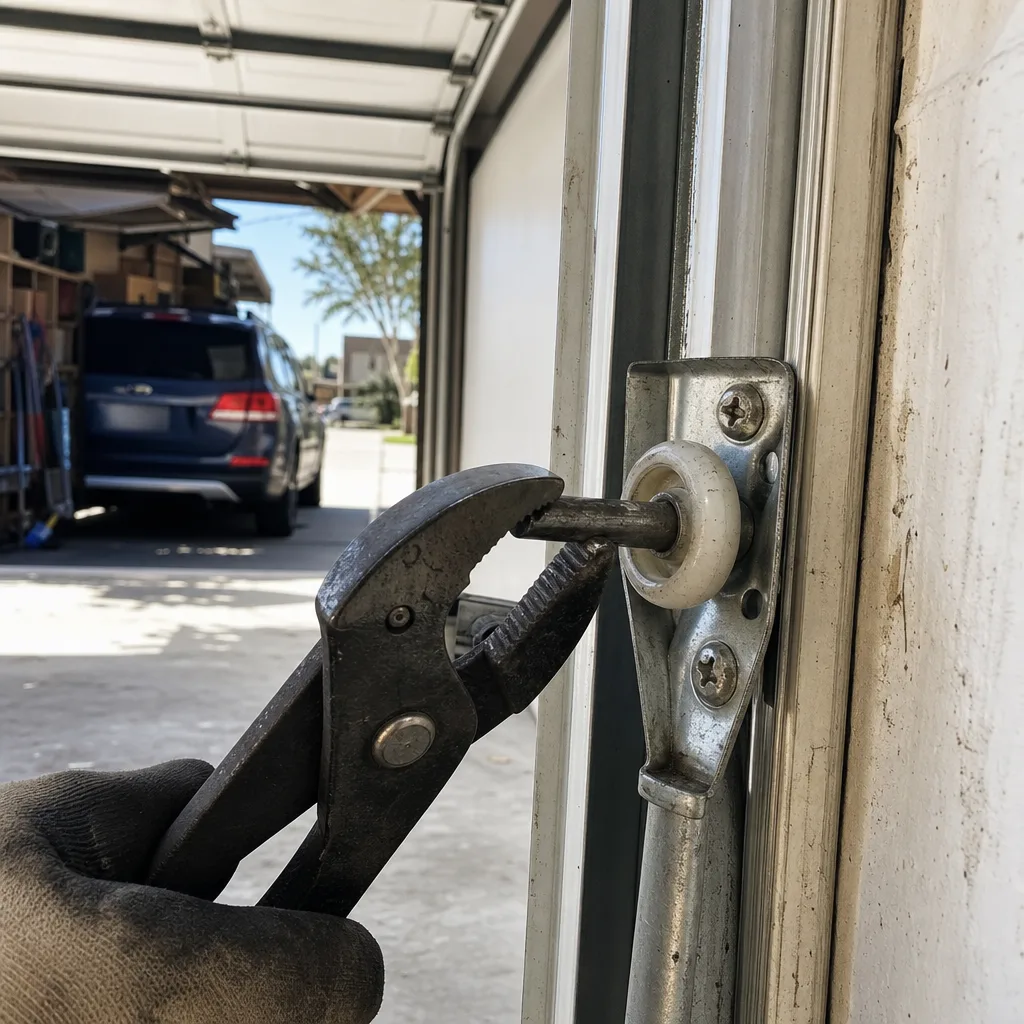
Here’s the honest split. You can safely inspect your rollers without any tools. Open the door halfway, look at each roller where it meets the track, and see if the wheel is cracked, the bearing is wobbly, or the track has a groove cut into it. You can also grease the track lightly with a white lithium spray, which quiets a dry roller temporarily. None of that requires anything but your eyes and a step stool.
What you shouldn’t do is replace rollers yourself. The bottom roller on each side is under the same tension as the lift cable system, and popping it out without knowing how to manage that tension can send the cable flying off the drum. The top rollers, less dangerous, are still awkward to reach on a ladder while the door is in the down position. The thing most DIYers get wrong is swapping one bad roller, not all of them. The door gets quieter for three weeks, then a second roller fails, then a third, and now you’ve paid for the job twice and spent a Saturday on it. If you’ve got a failing roller on a LiftMaster-equipped door in Los Angeles, call (213) 348-6550. We’ll name the part, quote the range, then do the work.
FAQs
Good nylon-sleeved rollers with sealed bearings typically last 7 to 10 years in Los Angeles, but coastal air in areas like Playa del Rey and Marina del Rey can accelerate bearing wear, and high desert heat in the Valley can crack nylon faster. Steel-only rollers tend to fail earlier and noisier. We recommend inspecting rollers every two years, especially on doors opened more than four times a day. Call (213) 348-6550 if you’re not sure what you’re looking at, and we’ll tell you over the phone.
Sealed-bearing rollers are not serviceable. You can’t re-pack the bearing on these, and once the nylon sleeve is cracked, there’s no adhesive that will hold. Replacement is the correct repair, and doing the full set at once is the only way to avoid a repeating failure.
A standard 10-roller replacement on a two-car door takes 45 to 75 minutes. If track damage or alignment work is needed, add another 30 to 60 minutes. We do the job in one visit, with the parts on the truck, no follow-up appointment required. Call (213) 348-6550 for a time window and exact same-day availability.
Yes. We stock 7/16-inch and 11/32-inch stem rollers in 7-ball and 10-ball bearing configurations, plus steel and nylon-sleeved options, plus rollers for Chamberlain and Genie doors. That covers the vast majority of LiftMaster-equipped doors in Los Angeles. If your door takes something unusual, we photograph the spec and return with the correct part, no second-visit labor charge for the parts run.
If your LiftMaster door is making noise but still opens, don’t wait for the roller to fail completely and take the track with it. Call (213) 348-6550 for a free estimate and a written price before any work starts. We’ll show you exactly what’s failing and exactly what it costs to make it right.
Written by Marcus Deller, Owner, Servo Garage Doors Los Angeles, serving Los Angeles and nearby areas.